

EXPERIENCED PERSONAL INJURY ATTORNEYS







Burn Injuries in Nursing Home Residents
Trusted Illinois Injury Attorneys for Nursing Home Residents Who Suffer Burns from Abuse or Neglect
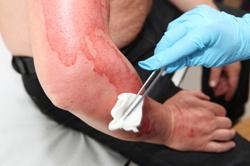
Burn injuries among nursing home residents represent a devastating category of harm that can result from improper care, neglectful practices, and, in some tragic cases, intentional abuse. Due to reduced mobility, sensory impairments, and cognitive decline, elderly residents are more susceptible to serious burn injuries than the general population. When these injuries occur, families are often left searching for answers and accountability.
For decades, John J. Malm & Associates has stood as a trusted advocate for injured individuals and families affected by nursing home abuse and neglect. Our top-rated Illinois nursing home neglect attorneys combine meticulous legal strategy with compassionate client-centered representation, holding negligent nursing facilities accountable for preventable injuries such as burns, falls, bedsores, and other forms of resident harm. Our attorneys understand the complex medical, regulatory, and legal issues involved in nursing home injury cases, and we pursue every claim with the singular goal of securing justice, dignity, and meaningful compensation for vulnerable residents and their loved ones.
“Burn injuries in nursing homes are among the most tragic examples of preventable harm. Facilities have a duty to provide safe environments and attentive care. When they fail in that duty, families deserve accountability, and injured residents deserve full compensation for their suffering.” — John J. Malm, Naperville nursing home abuse lawyer
Burn Injury Statistics and Nursing Home Abuse
While detailed national burn-specific data for nursing home residents is limited, multiple authoritative sources confirm that injuries from fires and burns occur in long-term care settings, and that preventable harm remains a serious concern.
- According to the U.S. Fire Administration, U.S. fire departments respond to thousands of medical facility fires annually, with nearly half occurring in nursing homes. Annually, residents sustain an average of 108 injuries due to these fires, with a substantial percentage of those injuries resulting from cooking equipment and other preventable causes.
- Facility negligence, such as improper supervision during bathing or meal service, is a well-documented risk factor for scalding and contact burns in nursing homes.
- Organizations tracking elder abuse report that a significant number of nursing home residents experience neglect and other types of abuse, suggesting systemic shortcomings in care that correlate with a higher risk of injuries, including burns. Studies show that one in six adults aged 60 and older experiences some form of abuse each year globally, and many cases involve neglect.
These statistics emphasize that although burn injuries may not be as frequent as other nursing home incidents such as falls, they are serious, preventable, and often linked to systemic neglect or inadequate standards of care.
Why Nursing Home Residents Are Vulnerable to Burn Injuries
Elderly individuals living in long-term care facilities often have physical and cognitive vulnerabilities that make burn injuries particularly dangerous:
- Reduced skin integrity: Aging skin is thinner and more fragile, increasing the severity of burns from heat, scalding liquids, or chemicals.
- Slower reaction times: Many residents cannot quickly move away from heat sources.
- Limited mobility: Residents who use wheelchairs or require assistance for basic tasks may be unable to avoid hazards.
- Cognitive impairments: Conditions such as dementia can limit a resident’s ability to recognize dangers like hot water, electrical cords, or open flames.
Because of these risks, nursing homes must implement robust safety protocols and vigilant supervision. When these measures fail, the consequences can be severe or even fatal.
Common Causes of Burn Injuries in Nursing Homes
Burn injuries in nursing homes can arise from a variety of scenarios. Many of these situations are preventable with proper care, adequate staffing, and adherence to industry-accepted safety procedures:
Scalding and Hot Liquids
- Excessively hot bathwater.
- Hot food or beverage spills.
- Unmonitored kitchen appliances.
Hot Surfaces and Equipment
- Radiators, heating pads, or poorly maintained portable heaters.
- Faulty electrical equipment or wiring.
Chemical Burns
- Contact with improperly stored cleaning agents or disinfectants.
Fires and Evacuation Failures
- Fires ignited by malfunctioning devices or smoking.
- Inadequate fire safety planning, alarms, or evacuation assistance for residents.
Intentional Abuse
- In rare but documented cases, burns may result from intentional acts of abuse using hot liquids, chemicals, or heated objects.
These causes illustrate how many burn injuries stem from lapses in supervision, training, or safety infrastructure.
Types of Burns and Severity
Understanding the nature of burn injuries helps families recognize dangerous patterns and the extent of harm:
- First-Degree Burns: Affect only the outer skin layer and often require minimal treatment.
- Second-Degree Burns: Affect deeper layers and may form blisters, requiring medical care.
- Third-Degree (and Higher) Burns: Penetrate all skin layers, may damage underlying tissues, and typically require extensive medical intervention.
Given that older adults have compromised healing capacities, even burns that might be minor for younger individuals can become major medical issues for nursing home residents.
Are Burn Injuries Signs of Abuse or Neglect?
Not all burn injuries automatically indicate nursing home abuse. However, certain patterns strongly suggest neglect or wrongful conduct. Caregivers and facility staff have a duty to protect residents from preventable harm. When they fail, the consequences can be grounds for legal action.
Indicators of Neglect or Abuse Include:
- Burns in unusual locations or on areas unlikely to be injured in an accident.
- Repeated burn injuries occurring over time.
- Discrepancies between a caregiver’s explanation and the actual injury.
- Burns from hot water or beverages served too hot without protective measures.
- Incident reports indicating failure to monitor residents during high-risk activities like bathing or meal service.
These scenarios may be evidence that the nursing home breached its duty of care.
Consequences of Burn Injuries in Elderly Residents
Burn injuries in nursing home residents can have devastating physical, emotional, and financial consequences.
Physical Consequences
- Severe Pain: Burns are inherently painful and often require extensive medical treatment.
- Infection and Sepsis: Elderly skin is more prone to infection, which can lead to sepsis, a life-threatening condition if untreated.
- Permanent Scarring and Disability: Deep burns may require surgical intervention and can result in long-term disability.
- Increased Mortality Risk: Complications from burns, especially in the elderly, can prove fatal without prompt medical intervention.
Emotional Impact
- Anxiety and Depression: Suffering a burn can undermine a resident’s sense of security and well-being.
- Loss of Independence: Severe injury may result in increased care needs, reducing a resident’s autonomy.
Financial Burdens
- Medical Costs: Hospitalization, surgeries, and long-term treatment are costly.
- Ongoing Care Expenses: Additional nursing care or specialized rehabilitation may be required.
- Family Stress: Families often shoulder emotional and financial burdens when a loved one suffers a serious injury.
Legal Duty of Care in Nursing Homes
Under the Illinois Nursing Home Care Act, nursing homes have both ethical and legal obligations to protect residents. These include:
- Providing competent and attentive caregiving staff.
- Implementing and enforcing safety protocols.
- Monitoring residents during activities that may pose a risk.
- Maintaining safe environments and equipment.
If a facility fails in these duties and a resident suffers harm as a result, the facility, and in some cases individual staff members, may be liable under theories of negligence, elder abuse, or wrongful death.
To establish liability, legal representatives typically examine whether the facility’s actions or inactions:
- Failed to meet a standard of care.
- Directly caused the resident’s injuries.
- Resulted in measurable harm, such as medical costs or suffering.
A successful claim can secure compensation and help prevent future harm to other residents.
Red Flags That Suggest Neglect or Abuse
Families and caregivers should be alert to signs that may indicate a preventable burn injury or other neglect:
- Unexplained burn injuries or inconsistent explanations.
- Repeated incidents without corrective action.
- Improper supervision during high-risk activities.
- Staff shortages or inadequate safety protocols.
- Lack of documented risk assessments or equipment maintenance logs.
Recording and reporting these observations promptly can be critical to protecting your loved one and building a legal case.
What to Do if You Suspect Abuse or Neglect
If you believe a nursing home resident has suffered a burn injury due to neglect or abuse:
- Seek Immediate Medical Care: Ensure the resident receives prompt medical attention.
- Document the Injury: Take photographs, record staff explanations, and keep medical records.
- Report to Authorities: Report the incident to state long-term care regulators and local law enforcement if criminal conduct is suspected.
- Preserve Evidence: Maintain all documentation, incident reports, and witness statements.
- Contact an Attorney: Consult a knowledgeable Illinois elder abuse and nursing home injury lawyer promptly.
Frequently Asked Questions about Burn Injuries in Nursing Home Residents
Q: Are burn injuries in nursing homes common?
A: While less common than falls or pressure ulcers, burn injuries occur regularly and often result from preventable causes such as hot liquids, equipment malfunctions, or inadequate supervision.
Q: Can I sue a nursing home for a burn injury?
A: Yes. If the burn injury resulted from neglect, unsafe conditions, or abuse, the nursing home may be held legally responsible for damages.
Q: What damages can be recovered?
A: Injured residents or their families may recover medical expenses, pain and suffering, long-term care costs, and, in cases of egregious conduct, punitive damages.
Q: How quickly should I act after discovering a burn injury?
A: Prompt action is essential. Preserving evidence, reporting to authorities, and consulting an attorney increases the likelihood of successful recovery.
Q: Does failing health alone justify a burn injury claim?
A: Not necessarily. Claims focus on whether the facility failed to provide reasonable care that directly caused the injury.
Contact the Experienced Illinois Nursing Home Burn Injury Lawyers at John J. Malm & Associates
Burn injuries in nursing home residents are preventable, yet they continue to occur due to negligent care, inadequate safety protocols, and in some cases, abusive conduct. These injuries can cause profound physical suffering, emotional trauma, and financial burdens for residents and their families. If your loved one has suffered a burn injury while under a nursing home’s care, whether from scalding water, hot food, electrical malfunctions, or other unsafe conditions, you have the right to seek justice and compensation.
Contact John J. Malm & Associates today for a free, no-obligation consultation. Our experienced Illinois nursing home abuse and neglect attorneys will review your loved one’s case, help preserve crucial evidence, and pursue full compensation on your behalf. Do not wait. The sooner you act, the stronger your case will be. Let us help you hold negligent nursing homes accountable and protect other vulnerable residents from future harm.