

EXPERIENCED PERSONAL INJURY ATTORNEYS













Illinois Bad Faith Insurance Claim Lawyers
Top Injury Attorneys When an Insurance Company Unreasonably Denies or Delays Your Claim
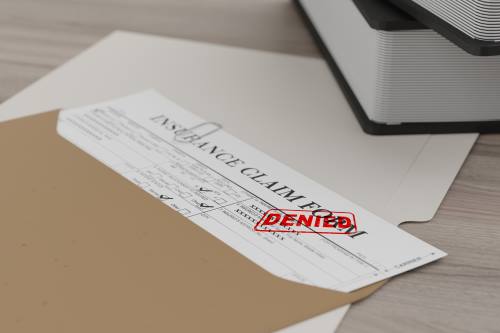
When you purchase an insurance policy, you are paying for financial protection when something goes wrong. After a car accident or serious injury, you reasonably expect the insurance company to investigate the claim fairly and pay what the policy requires. Unfortunately, that does not always happen.
Insurance companies may deny legitimate claims, delay investigations, undervalue losses, dispute medical treatment, or make settlement offers that do not fairly reflect the damages involved. When an insurer’s conduct crosses the line from legitimate claim investigation into unreasonable or vexatious conduct, Illinois law provides remedies for certain policyholders.
These disputes are commonly described as bad faith insurance claims. In Illinois, however, the legal analysis can be more complicated than simply proving that an insurance company made a mistake. Illinois law specifically addresses improper claims practices and provides a statutory remedy under Section 155 of the Illinois Insurance Code. In certain third-party liability situations, Illinois law also recognizes an insurer’s duty to give its insured’s interests appropriate consideration when evaluating settlement opportunities.
The distinction matters. An insurer does not necessarily act in bad faith merely because it denies a claim or because the parties disagree about coverage. But when an insurance company refuses to investigate a claim properly, unreasonably delays payment, misrepresents coverage, or refuses to make a fair settlement when liability is reasonably clear, the policyholder may have legal options.
As Naperville car accident lawyer John J. Malm explains: “You paid for insurance because you expected protection when you needed it. When an insurance company puts its own financial interests ahead of its obligations to its policyholder, we believe that conduct deserves careful scrutiny.”
What Is Insurance Bad Faith in Illinois?
Insurance bad faith generally refers to unreasonable conduct by an insurer in handling an insurance claim or fulfilling obligations owed under an insurance policy. Illinois statutes identify a number of practices that can constitute improper claims practices when committed without just cause and in violation of applicable statutory requirements.
Under 215 ILCS 5/154.6, improper claims practices can include:
- Knowingly misrepresenting relevant facts or policy provisions.
- Failing to acknowledge pertinent communications with reasonable promptness.
- Failing to maintain reasonable standards for prompt investigation and settlement of claims.
- Failing to attempt a prompt, fair, and equitable settlement when liability has become reasonably clear.
- Compelling policyholders to file lawsuits by offering substantially less than the amount ultimately recovered.
- Failing to provide a reasonable explanation for denial of a claim.
- Refusing to pay a claim without conducting a reasonable investigation.
These provisions are important because they demonstrate that Illinois law expects insurance companies to handle claims responsibly. However, not every disputed insurance claim is a bad faith claim. An insurer can have a legitimate disagreement concerning coverage, liability, causation, damages, or the interpretation of a policy. The circumstances surrounding the insurer’s conduct must be examined carefully.
Illinois Insurance Complaints Show How Common Claims Disputes Are
Insurance disputes are not rare. The Illinois Department of Insurance’s 2024 Consumer Complaint Composite & Summary reported 10,017 consumer complaints across the insurance industry, an increase of 13.4% from 2023. Property and casualty insurance accounted for 7,312 complaints, or 73% of the total. Auto insurance alone accounted for 3,644 complaints, representing 36.4% of all reported complaints.
The Department also reported 7,739 complaints involving claims handling in 2024, representing 57.7% of complaints categorized by reason. Claims-handling complaints increased 13.8% compared with the prior year.
These statistics do not establish that all of these insurers acted in bad faith. A consumer complaint is not the same thing as a legal finding of bad faith. The numbers do, however, demonstrate that disputes concerning how insurance companies handle claims are a significant consumer issue in Illinois.
The Illinois Department of Insurance specifically states that it investigates consumer complaints involving coverage issues, claim disputes, premiums, cancellations, refunds, and sales misrepresentations.
What Does Section 155 of the Illinois Insurance Code Do?
One of the most important Illinois statutes involving unreasonable insurance claims handling is 215 ILCS 5/155. Section 155 applies when there is an issue concerning an insurer’s liability under an insurance policy, the amount of a covered loss, or an unreasonable delay in settling a claim, and the court determines that the insurer’s conduct was vexatious and unreasonable. The statute allows a court to award reasonable attorney fees and other costs, as well as an additional amount subject to statutory limitations.
The current statutory formula provides that the additional amount may not exceed one of several alternatives, including:
- 60% of the amount the court or jury determines the policyholder is entitled to recover, exclusive of costs;
- $60,000; or
- The excess of the amount awarded over the amount the insurer offered before litigation.
The statute also permits reasonable attorney fees and other costs where its requirements are satisfied. This makes Section 155 a potentially powerful remedy. It also demonstrates why an insurance dispute should be evaluated by an attorney familiar with Illinois insurance law before a policyholder assumes that a denial or settlement offer must simply be accepted.
What Conduct May Constitute Bad Faith?
Insurance companies are entitled to investigate claims. They can request documents, review medical records, inspect property, interview witnesses, investigate liability, and determine whether coverage applies.
The problem arises when the investigation or claims process becomes unreasonable. Examples of conduct that may raise concerns include:
Unreasonable Delay
An insurance company may take time to investigate a complicated claim. But unexplained or excessive delays can become problematic, particularly when the insurer has the information necessary to make a decision.
Illinois law specifically identifies failing to acknowledge pertinent claim communications with reasonable promptness and failing to maintain reasonable standards for prompt investigation and settlement as improper claims practices under specified circumstances.
Unreasonable Claim Denial
An insurer can deny a claim when a legitimate coverage defense exists. But an insurer should have a reasonable basis for its position. A denial that ignores relevant policy language, disregards important evidence, or relies on an interpretation that is inconsistent with the policy may warrant legal review.
Misrepresenting Policy Coverage
Insurance policies can be complicated. Policyholders frequently rely on insurance representatives and adjusters to explain coverage. Illinois law identifies knowingly misrepresenting relevant facts or policy provisions concerning coverage as an improper claims practice under specified circumstances.
Failing to Make a Fair Settlement
When liability has become reasonably clear, Illinois law requires insurers to attempt a prompt, fair, and equitable settlement under circumstances covered by the statute.
An insurer does not have to accept every demand made by a claimant. But simply refusing to negotiate or offering an amount substantially disconnected from the evidence can create significant concerns depending on the circumstances.
Forcing a Policyholder to File a Lawsuit
Illinois law specifically identifies compelling policyholders to institute litigation by offering substantially less than the amount ultimately recovered as an improper claims practice under specified circumstances. This is particularly important for people who receive an extremely low settlement offer and are told that the insurer will not reconsider it.
Bad Faith and Third-Party Insurance Claims
Bad faith issues can also arise when an insurer is defending an insured person against a third-party claim. For example, suppose a driver causes a serious collision. The driver’s liability insurance company controls the defense and settlement negotiations. The injured person makes a settlement demand within the driver’s policy limits, but the insurer refuses to settle even though there is a significant risk of a judgment exceeding those limits. In Illinois, an insurer’s duty to settle can become important in these circumstances.
Illinois courts have explained that when there is a reasonable probability of a judgment exceeding policy limits and liability against the insured, the insurer must consider the insured’s interests in evaluating settlement opportunities. The Illinois appellate courts have recognized that an insurer’s failure to act in good faith in responding to a settlement opportunity can expose the insurer to liability beyond policy limits in appropriate circumstances.
This area of insurance law can become highly fact-specific. The timing of settlement demands, evidence of liability, potential damages, policy limits, communications between the insurer and insured, and the insurer’s handling of negotiations can all matter.
What Is the Difference Between a Bad Faith Claim and a Breach of Contract Claim?
An insurance policy is a contract. If an insurer refuses to provide benefits required under the policy, the policyholder may have a breach-of-contract claim. A bad faith or Section 155 claim involves additional considerations concerning the insurer’s conduct.
For example, an insurer might have a legitimate dispute over whether a particular loss is covered. If the insurer has a reasonable basis for its position and has properly investigated the claim, the dispute does not automatically become bad faith simply because the policyholder disagrees.
By contrast, if an insurer has no reasonable basis for refusing to pay, fails to conduct a reasonable investigation, misrepresents policy provisions, or unreasonably delays resolution, the circumstances may support additional remedies. An attorney can examine the policy, claim file, correspondence, investigation, and applicable law to determine what claims may be available.
Evidence That Can Help Prove Insurance Bad Faith
Bad faith cases often turn on the insurer’s conduct and the information available to the insurer at the time decisions were made. Policyholders should preserve documentation rather than relying on memory. Useful evidence may include:
- A complete copy of the insurance policy.
- Claim numbers and correspondence.
- Emails and letters from insurance adjusters.
- Written denial letters.
- Settlement offers and demands.
- Medical records and bills.
- Photographs and videos.
- Police reports.
- Repair estimates.
- Property valuations.
- Statements from witnesses.
- Documentation of lost income.
- Notes concerning telephone conversations with adjusters.
- Records showing when documents were submitted to the insurer.
- Expert opinions concerning damages or coverage when appropriate.
Keep copies of everything you send to the insurance company. The Illinois Department of Insurance similarly advises consumers to document communications and retain copies of written communications when pursuing an insurance complaint.
What Should You Do If Your Insurance Company Denies Your Claim?
A denial letter should not automatically end the matter. First, request the insurer’s explanation in writing if you have not already received one. Carefully review the stated reason for denial and compare it with the language of the policy. You should also avoid destroying or discarding documents related to the claim. Depending on the situation, potential next steps include:
- Reviewing the insurance policy and applicable exclusions.
- Requesting reconsideration of the claim.
- Providing additional supporting documentation.
- Filing a complaint with the Illinois Department of Insurance.
- Consulting an insurance or personal injury attorney.
- Pursuing litigation when appropriate.
The Illinois Department of Insurance accepts consumer complaints concerning auto, homeowners, health, life, and other types of insurance. The Department can investigate whether an insurer is complying with Illinois insurance laws and the policy, although it does not act as the consumer’s attorney or resolve every factual or valuation dispute. A Department complaint can therefore be useful, but it is not necessarily a substitute for legal representation.
Do Not Sign a Settlement Before Understanding What You Are Giving Up
One of the most consequential mistakes a policyholder can make is accepting a settlement without understanding its legal consequences. Insurance companies may present settlement agreements and releases that require the policyholder to give up additional claims arising from the same loss. Once a release is executed, recovering additional compensation can become substantially more difficult or impossible.
Before accepting a settlement, consider:
- Whether all damages have been identified.
- Whether future medical expenses are possible.
- Whether the settlement covers all covered losses.
- Whether there are additional insurance policies.
- Whether the insurer has properly valued the claim.
- Whether the insurer’s investigation was adequate.
- Whether the settlement release waives potential claims.
A settlement offer is not necessarily an indication of the actual value of a claim.
When Should You Contact an Illinois Insurance Bad Faith Attorney?
You should consider consulting an attorney when the insurance company:
- Denies a claim without a convincing explanation.
- Delays the investigation without a reasonable explanation.
- Repeatedly requests information that has already been provided.
- Refuses to communicate about the claim.
- Misrepresents policy language.
- Offers substantially less than the documented loss.
- Disputes clearly supported medical expenses.
- Refuses to negotiate a reasonable settlement.
- Fails to properly investigate evidence.
- Places its own interests ahead of the insured’s interests in a potentially excess-liability situation.
Not every one of these circumstances establishes bad faith. An attorney must evaluate the entire record and the applicable law.
Frequently Asked Questions About Bad Faith Insurance Claims in Illinois
What is an insurance bad faith claim?
An insurance bad faith claim generally concerns unreasonable insurer conduct in handling a claim or fulfilling obligations under an insurance policy. Illinois law provides specific remedies for certain vexatious and unreasonable conduct.
Is denying an insurance claim automatically bad faith?
No. An insurance company can legitimately deny a claim when there is a reasonable basis under the policy or applicable law. The circumstances surrounding the investigation and denial matter.
How long can an insurance company delay my claim in Illinois?
There is no universal deadline that automatically makes every delay bad faith. The nature of the claim, policy provisions, applicable regulations, communications, investigation, and reasons for the delay all matter.
Can I sue my insurance company for bad faith?
Potentially. The available legal theories and remedies depend on whether the dispute involves first-party benefits, third-party liability coverage, Section 155, contractual obligations, or another legal theory.
What damages can be recovered in an Illinois bad faith case?
Potential remedies depend on the legal theory and facts. Under Section 155, a court may award reasonable attorney fees and costs and an additional amount within the statutory limits when the statute’s requirements are met.
Can I file a complaint against my insurance company with the Illinois Department of Insurance?
Yes. The Illinois Department of Insurance accepts consumer complaints concerning insurance companies and claim disputes. The Department explains that complaints can involve coverage issues and claim disputes and that it may require corrective action when it finds violations.
Does an insurance company’s low settlement offer prove bad faith?
No. A low offer alone does not automatically establish bad faith. The reason for the offer, the evidence available to the insurer, the policy language, the amount of damages, and the insurer’s overall conduct are relevant.
What should I do after receiving a bad faith denial?
Keep the denial letter and all communications, obtain a copy of your policy, preserve supporting evidence, and consider having an attorney review the claim before signing a release or accepting a settlement.
Talk to the Experienced Illinois Insurance Bad Faith Injury Attorneys at John J. Malm & Associates
Insurance companies have a legal right to investigate claims and defend legitimate coverage positions. But policyholders also have rights. When an insurer unreasonably delays a claim, refuses to conduct a proper investigation, misrepresents coverage, denies a legitimate claim, or refuses to make a fair settlement, Illinois law may provide important remedies.
If your insurance company has denied your claim, delayed payment, undervalued your losses, or refused to negotiate fairly, do not assume you have to accept the insurer’s decision. John J. Malm & Associates represents Illinois car accident victims in disputes involving insurance companies. Our attorneys can review your policy, investigate how the claim was handled, evaluate whether the insurer’s conduct may violate Illinois law, and pursue the compensation and remedies available to you. Contact John J. Malm & Associates today to discuss your insurance dispute and learn what legal options may be available.