

EXPERIENCED PERSONAL INJURY ATTORNEYS












Maple Park Pedestrian Accident Lawyers
Top Attorneys for Walkers Injured in Maple Park, Illinois
Maple Park is a small community located along Illinois Route 38 in Kane and DeKalb counties. Residents and visitors regularly walk through neighborhoods, near local businesses, around parks and schools, and along roads connecting Maple Park with surrounding communities. While Maple Park is smaller than many suburban communities in northern Illinois, pedestrians can still face serious risks when walking near traffic.
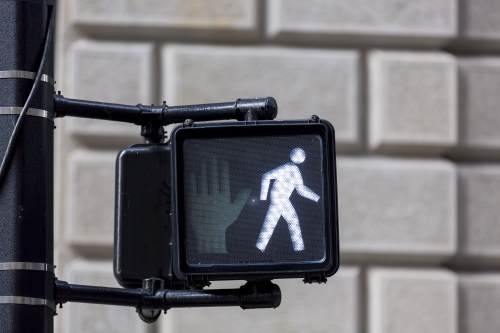
A pedestrian has virtually no physical protection when struck by a passenger vehicle, pickup truck, SUV, or commercial truck. Even a collision at a relatively low speed can cause fractures, traumatic brain injuries, spinal injuries, internal injuries, or death. When a pedestrian is hit by a larger or faster vehicle, the consequences can be catastrophic.
Illinois pedestrian crash statistics demonstrate the seriousness of the problem. According to the Illinois Department of Transportation (IDOT), pedestrians involved in fatal motor vehicle crashes increased 8% in 2024 compared with the prior four-year average, while pedestrians involved in all crashes increased 24% compared with the 2020–2023 average. Pedestrian involvement in total crashes also increased 6.8% from 2023 to 2024.
For someone injured while walking in Maple Park, determining who was responsible can require more than simply reviewing the police report. A thorough investigation may need to examine driver behavior, visibility, roadway design, signage, lighting, traffic controls, vehicle speed, weather, road conditions, and whether another person or entity contributed to the accident.
“Pedestrians are particularly vulnerable because they have virtually no protection when a vehicle strikes them. After a serious Maple Park pedestrian accident, our job is to determine exactly how the collision happened, preserve the evidence, and identify every person or entity whose negligence may have contributed to the injury.” — John J. Malm, Maple Park injury attorney
Pedestrian Accident Statistics in Maple Park and Illinois
Pedestrian-specific crash data for a small community such as Maple Park can be limited. IDOT’s official city crash reports provide an important local snapshot, but a low number of reported crashes in a particular year does not mean pedestrian risks are nonexistent.
For example, IDOT’s 2023 Maple Park City Summary Crash Report recorded eight total motor vehicle crashes, including one injury crash and seven property-damage crashes. The report did not list a pedestrian crash among the crash types recorded that year.
Similarly, IDOT’s 2022 Maple Park report recorded five total crashes, including one injury crash and four property-damage crashes. The listed crash types did not include a pedestrian crash.
These numbers should be interpreted carefully. They do not mean that walking in Maple Park is risk-free, nor do they capture every incident that may occur outside the reporting criteria of motor vehicle crash databases. They simply show the crashes recorded by IDOT for Maple Park during those years.
The broader Kane County numbers demonstrate why pedestrian safety remains an important issue in the area. In 2023, Kane County recorded 97 crashes involving pedestrians, including four fatal crashes and 93 injury crashes. Those crashes resulted in 100 reported pedestrian injuries and four deaths.
Statewide, the problem is considerably larger. IDOT reported that pedestrians involved in total crashes increased significantly in 2024 compared with the prior four-year average. Federal data from the National Highway Traffic Safety Administration shows that 7,080 pedestrians were killed in traffic crashes nationwide in 2024, while an estimated 71,635 pedestrians were injured. A pedestrian was killed approximately every 74 minutes and injured approximately every seven minutes in traffic crashes.
These statistics show that pedestrian collisions remain a significant safety concern even though pedestrians account for a much smaller share of road users than motorists.
Why Maple Park Pedestrian Accidents Can Be So Serious
A pedestrian has almost no protection against the force of a motor vehicle. A vehicle weighing several thousand pounds can transfer tremendous energy to a person during a collision. The pedestrian may first be struck by the front of the vehicle, thrown onto the hood or windshield, and then thrown onto the pavement. In some cases, the person may be run over by the vehicle or struck by another vehicle. Common injuries include:
- Traumatic brain injuries and concussions
- Skull and facial fractures
- Spinal cord injuries
- Neck and back injuries
- Broken arms, wrists, legs, ankles, and ribs
- Pelvic and hip fractures
- Internal bleeding
- Organ damage
- Severe lacerations
- Nerve damage
- Torn ligaments and tendons
- Permanent disability
- Disfigurement
- Fatal injuries
Pedestrian injuries can also involve substantial psychological consequences. Someone who was walking to a nearby destination may suddenly face months of rehabilitation, an inability to work, dependence on family members, and significant changes to daily life.
Common Causes of Maple Park Pedestrian Accidents
Pedestrian crashes can occur for many reasons. Determining the actual cause is important because liability depends on the circumstances of the collision.
Driver Distraction
Distracted driving is one of the most common concerns in pedestrian safety. A driver looking down at a cell phone may fail to see a pedestrian entering a crosswalk or walking along the roadside. Distraction can involve:
- Texting
- Using a navigation application
- Adjusting the radio
- Eating or drinking
- Looking at passengers
- Reaching for objects
- Using social media
- Taking photographs or videos
- Other activities that divert attention from driving
A driver does not have to be completely unaware of a pedestrian to cause a collision. Looking away for only a few seconds can be enough to miss someone entering the roadway.
Failure to Yield
Illinois law provides pedestrians with important rights at crosswalks. Under 625 ILCS 5/11-1002, when traffic signals are not controlling the intersection, a driver generally must stop and yield to a pedestrian crossing within a crosswalk under the circumstances specified by the statute. The law also prohibits another driver from passing a vehicle stopped to permit a pedestrian to cross. Failure to yield can occur when a driver:
- Turns across a pedestrian’s path.
- Runs a stop sign.
- Runs a red light.
- Fails to recognize a crosswalk.
- Passes another vehicle that has stopped for a pedestrian.
- Fails to watch for pedestrians at an intersection.
Speeding
Speed is particularly important in pedestrian crashes because increased vehicle speed can increase both the likelihood of a collision and the severity of the resulting injuries. A driver traveling too quickly may have less time to recognize a pedestrian and react. Even when the driver eventually brakes, the vehicle may still strike the pedestrian.
Speed can become an important issue during an accident investigation. Investigators may review vehicle damage, skid marks, surveillance footage, event-data-recorder information, witness testimony, and accident reconstruction evidence.
Driving Under the Influence
Alcohol and drugs can impair perception, judgment, reaction time, and coordination. A driver under the influence may have difficulty recognizing a pedestrian or responding appropriately to changing traffic conditions.
NHTSA reported that alcohol involvement by the driver and/or pedestrian was present in 43% of fatal pedestrian crashes nationwide in 2024. If a driver was intoxicated when a Maple Park pedestrian collision occurred, evidence of impairment may be highly relevant to determining liability.
Poor Visibility
Pedestrian crashes can happen during darkness, dusk, rain, snow, or other conditions that reduce visibility. The IDOT 2023 Maple Park crash report shows that, among all recorded motor vehicle crashes in the village that year, four occurred during daylight, two during darkness, and two at dusk.
Poor visibility does not automatically establish driver negligence. Drivers are expected to adjust their behavior to roadway and visibility conditions, however, and an investigation should examine whether the driver was traveling at an appropriate speed and maintaining an adequate lookout.
Pedestrian Accidents on Illinois Route 38
Illinois Route 38 is an important roadway through the Maple Park area. The road connects Maple Park with surrounding communities and carries traffic through a region where motorists, pedestrians, bicyclists, agricultural vehicles, and other road users may interact. Roadway characteristics can affect pedestrian safety. Depending on the particular location, relevant factors may include:
- Posted speed limits
- Traffic volume
- Shoulder width
- Sidewalk availability
- Crosswalk placement
- Intersection design
- Lighting
- Traffic signals
- Sight distance
- Driveway locations
- Roadway width
- Turning movements
IDOT records show that Route 38 has been the subject of roadway and traffic-control projects in the Maple Park area, including work involving the intersection of County Line Road and Illinois Route 38. A pedestrian accident investigation should focus on the exact location of the collision rather than assuming that every portion of a roadway presents the same safety conditions.
Illinois Pedestrian Right-of-Way Laws
Understanding Illinois pedestrian laws can be important when determining fault. At a crosswalk, Illinois law generally requires motorists to yield to pedestrians under the circumstances described in Section 11-1002. At the same time, pedestrians also have legal responsibilities.
Under Section 11-1003, a pedestrian crossing outside a marked crosswalk or an unmarked crosswalk at an intersection generally must yield to vehicles. Illinois law also prohibits pedestrians from suddenly entering the path of a vehicle that is so close that doing so would constitute an immediate hazard.
Illinois law nevertheless imposes a broader duty of care on drivers. Section 11-1003.1 states that every driver must exercise due care to avoid colliding with pedestrians and must take appropriate precautions when observing certain vulnerable individuals, including children or obviously incapacitated or confused persons. This means a pedestrian’s legal duties and a driver’s legal duties must both be considered when investigating a crash.
What If the Pedestrian Was Not in a Crosswalk?
A driver may argue that a pedestrian was not using a crosswalk and therefore the driver was not responsible. That argument does not necessarily end the investigation. Illinois law establishes rules governing pedestrians crossing outside crosswalks, but drivers still have a duty to exercise due care. The facts matter. Investigators may need to determine:
- How far the pedestrian was from the crosswalk.
- Whether the pedestrian was visible.
- How fast the vehicle was traveling.
- Whether the driver was distracted.
- Whether the driver was intoxicated.
- Whether lighting affected visibility.
- Whether the driver had sufficient time to react.
- Whether the driver took evasive action.
- Whether other vehicles or objects obstructed the driver’s view.
A pedestrian being outside a crosswalk does not automatically mean that the driver is free from responsibility.
Can a Property Owner Be Responsible for a Pedestrian Accident?
Sometimes. A pedestrian may be injured because of a dangerous condition on private property, such as a poorly maintained parking lot, inadequate lighting, a defective sidewalk, an unsafe entrance, or another hazardous condition.
Depending on the circumstances, a property owner, business, landlord, contractor, or other party could potentially face premises-liability claims.
These cases require an investigation into ownership, possession, control, maintenance responsibilities, notice of the dangerous condition, and the circumstances under which the pedestrian was on the property.
What Evidence Can Help Prove a Maple Park Pedestrian Accident Claim?
Evidence can disappear quickly after a collision. Surveillance video may be overwritten, witnesses may move away, and the accident scene can change. Important evidence may include:
- Police accident reports
- Photographs of the accident scene
- Photographs of vehicle damage
- Photographs of injuries
- Surveillance or traffic-camera footage
- Cell-phone records
- Vehicle event-data information
- Witness statements
- Medical records
- Emergency medical service records
- Accident reconstruction evidence
- Roadway photographs
- Traffic-control records
- Lighting information
- Weather records
- Driver insurance information
- Dash-camera footage
A lawyer may also investigate whether other crashes have occurred at the same location and whether safety concerns had previously been reported.
Common Injuries in Maple Park Pedestrian Accidents
Pedestrian injuries can vary from relatively minor bruises to life-altering disabilities.
Some of the most serious include:
Traumatic Brain Injuries
A pedestrian may strike the pavement, vehicle, windshield, or another object during a collision. A traumatic brain injury can result in memory problems, headaches, cognitive impairment, mood changes, balance problems, and other long-term effects.
Spinal Cord Injuries
Damage to the spinal cord can result in paralysis or permanent neurological impairment. Treatment may involve surgery, rehabilitation, assistive equipment, and lifelong care.
Broken Bones and Orthopedic Injuries
Pedestrians frequently suffer fractures involving the legs, arms, hips, pelvis, ribs, and other parts of the body. Severe fractures may require surgery and months of rehabilitation.
Internal Injuries
Blunt-force trauma can damage internal organs or cause internal bleeding. Some internal injuries may not be immediately obvious following a collision.
Psychological Injuries
A serious pedestrian crash can also produce anxiety, depression, post-traumatic stress symptoms, fear of walking near traffic, and other psychological consequences.
What Compensation May Be Available?
If another person’s negligence caused a pedestrian accident, an injured person may be entitled to pursue compensation for legally recoverable damages.
Depending on the circumstances, these may include:
- Emergency medical treatment
- Hospitalization
- Surgery
- Rehabilitation
- Physical therapy
- Prescription medications
- Future medical care
- Lost wages
- Reduced earning capacity
- Pain and suffering
- Disability
- Disfigurement
- Loss of normal life
- Other legally recoverable damages
For catastrophic injuries, calculating future damages can be especially important. A settlement that only accounts for current medical bills may not adequately address years of future treatment, lost income, or permanent limitations.
What Should You Do After a Maple Park Pedestrian Accident?
The moments and days after a pedestrian collision can be overwhelming. If you are physically able to do so, taking steps to preserve evidence can help protect your claim.
- Seek immediate medical attention.
- Report the accident to law enforcement when appropriate.
- Obtain a copy of the police report.
- Photograph the accident scene and your injuries.
- Obtain contact information from witnesses.
- Preserve photographs and videos.
- Keep medical bills and records.
- Avoid posting about the accident on social media.
- Do not provide unnecessary statements to an insurance company.
- Preserve clothing and other physical evidence from the collision.
- Contact an experienced Maple Park pedestrian accident attorney promptly.
Even if you initially believe your injuries are minor, obtaining appropriate medical evaluation is important. Some injuries can become more apparent hours or days after a collision.
Frequently Asked Questions About Maple Park Pedestrian Accidents
Who is responsible when a car hits a pedestrian?
Responsibility depends on the circumstances. The driver may be responsible for speeding, distraction, intoxication, failure to yield, or other negligence. In some cases, a property owner, governmental entity, vehicle manufacturer, or another party may also potentially be responsible.
Do pedestrians always have the right-of-way in Illinois?
No. Illinois law gives pedestrians specific rights at crosswalks, but pedestrians also have duties when crossing outside crosswalks and must not suddenly enter the path of a vehicle when doing so creates an immediate hazard.
What if the pedestrian was partially responsible?
A pedestrian can potentially recover damages even if the pedestrian was partly at fault, depending on the percentage of fault. Under Illinois law, a plaintiff whose contributory fault is more than 50% generally cannot recover; otherwise, damages are reduced proportionally.
Can I sue if I was hit while walking along a roadway?
Potentially. The circumstances of the collision must be investigated. Illinois law establishes specific rules concerning where pedestrians may walk and cross roads, but drivers also have a statutory duty to exercise due care to avoid collisions with pedestrians.
What if a dangerous sidewalk or roadway condition caused my injury?
A claim may potentially exist against the party responsible for the condition, but claims involving municipalities and other governmental entities can involve special legal requirements and deadlines. An attorney should evaluate who owned and controlled the location and whether the applicable legal duties were satisfied.
How long do I have to file a pedestrian accident lawsuit in Illinois?
The ordinary Illinois personal-injury statute of limitations is generally two years, but special deadlines can apply. Claims against local governmental entities generally have a one-year limitations period under the Tort Immunity Act, subject to exceptions.
What should I do if the driver says the accident was my fault?
Do not assume that the driver’s statement determines liability. Insurance companies and drivers may have their own version of events. Preserve evidence, obtain medical treatment, identify witnesses, and have the circumstances reviewed by an experienced attorney.
Contact the 5-Star Rated Maple Park Pedestrian Accident Attorneys
A pedestrian accident can change your life in seconds. What begins as an ordinary walk through Maple Park can result in emergency medical treatment, surgery, rehabilitation, lost income, permanent disability, and significant pain and suffering. Illinois pedestrian crashes remain a serious safety problem, and Kane County alone recorded 97 pedestrian crashes in 2023, including four fatal crashes and 93 injury crashes.
If you were struck by a car, truck, SUV, or another vehicle in Maple Park, do not assume that you have no legal claim simply because the driver disputes responsibility or because you were not in a marked crosswalk. Illinois law requires drivers to exercise due care around pedestrians, and the specific facts of the collision must be carefully investigated.
If you’ve been injured in a Maple Park pedestrian accident, contact John J. Malm & Associates for a case evaluation. Our experienced Maple Park personal injury attorneys can investigate how the collision happened, preserve important evidence, determine who may be responsible, deal with the insurance companies, and pursue the compensation you may be entitled to under Illinois law. If another person’s negligence caused your injuries, you should not have to face the medical bills, lost income, and consequences alone. Contact our firm today to discuss your Maple Park pedestrian accident and learn about your legal options.