

EXPERIENCED PERSONAL INJURY ATTORNEYS













Maple Park Bicycle Accident Lawyers
Trusted Attorneys for Bikers Struck on Keslinger Road, County Line Road, and Route 38
Bicycling is a popular way to exercise, commute, and enjoy the roads and trails around Maple Park, Illinois. But cyclists face a fundamental disadvantage when sharing the road with cars, trucks, and other motor vehicles: a bicycle provides virtually no protection when a collision occurs. Even a crash that happens at a relatively moderate speed can leave a bicyclist with broken bones, road rash, a traumatic brain injury, spinal cord damage, or permanent disability.
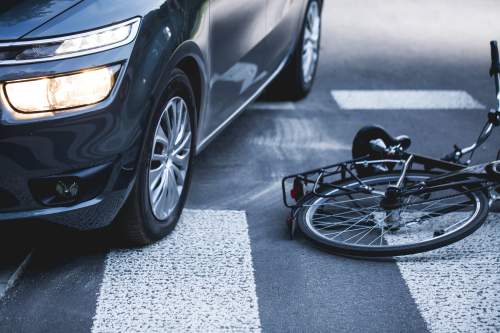
Maple Park’s location in western Kane and eastern DeKalb counties places bicyclists near a combination of residential streets, rural roads, state and county highways, agricultural traffic, and higher-speed routes. Illinois Route 38 and other roads in the surrounding area can bring passenger vehicles, commercial trucks, farm equipment, motorcycles, bicycles, and pedestrians into close proximity.
Illinois bicycle crash statistics demonstrate why cyclists need to take these risks seriously. According to the Illinois Department of Transportation’s 2024 Illinois Crash Facts, 3,001 pedalcyclists were injured in Illinois crashes in 2024, including 405 who suffered A-level injuries, while 37 pedalcyclists were killed. These statewide numbers include bicyclists throughout Illinois and are not specific to Maple Park, but they illustrate the potential severity of bicycle collisions.
Maple Park itself also has documented bicycle activity and bicycle-related incidents. The Kane County Bicycle & Pedestrian Plan includes Maple Park in its countywide analysis of bicycle and pedestrian crash patterns. A Kane County Forest Preserve police report also documented a bicyclist riding along the Great Western Trail near Route 64 and Sunset Street in Maple Park who was injured after being inadvertently sprayed by an agricultural crop-dusting aircraft.
If you or a family member has been injured in a bicycle accident in Maple Park, determining how the crash happened, and who was legally responsible, can be critical to recovering compensation.
Bicycle Safety Is a Serious Concern in Illinois
Bicyclists are considered vulnerable road users because they do not have the structural protection available to occupants of passenger vehicles. A motorist may walk away from a collision with only vehicle damage, while the bicyclist can be thrown onto the pavement or into another vehicle.
IDOT’s 2024 crash data shows that Illinois recorded 37 pedalcyclist fatalities and 3,001 pedalcyclist injuries during the year. Of those injuries, 405 were classified as A-injuries, meaning the most serious category of incapacitating injury used in Illinois crash reporting.
The data also shows that bicycle injuries occur on a variety of roadway types. In 2024, Illinois recorded pedalcyclist injuries on local roads, major collectors, minor arterials, other principal arterials, and rural roads. This is important for Maple Park because bicyclists may encounter substantially different traffic conditions depending on whether they are riding through town, on a rural roadway, or along a regional bicycle route.
Illinois’ broader highway safety planning has similarly identified pedalcyclist safety as a significant concern. IDOT reported that 2,256 pedalcyclists were injured in Illinois crashes in 2022, including 341 who suffered serious injuries. That year, 35 pedalcyclists were killed. These numbers show that bicycle accidents are not merely minor traffic incidents. They can produce life-changing injuries and fatalities.
Maple Park’s Roads Can Present Unique Bicycle Risks
Maple Park is surrounded by a mixture of small-town streets and rural transportation corridors. Cyclists can encounter motorists traveling at substantially different speeds, limited shoulders, intersections, driveways, farm equipment, commercial vehicles, and changing road conditions.
The risks can increase when bicyclists and motorists share roads that were designed primarily around motor vehicle traffic. Potential hazards include:
- Vehicles passing too closely
- Drivers failing to yield at intersections
- Drivers turning across a bicyclist’s path
- Distracted driving
- Speeding
- Driving under the influence
- Failure to check blind spots
- Opening vehicle doors into a bicyclist’s path
- Unsafe passing
- Road debris
- Potholes and pavement defects
- Poor lighting
- Agricultural equipment entering or leaving roadways
- Congested intersections
- Driver misjudgment
A bicyclist can also be injured without being directly struck by a vehicle. For example, a driver may pass too closely, causing the cyclist to swerve and fall. A motorist may force a bicyclist off the roadway, resulting in a collision with a curb, ditch, sign, tree, or another fixed object.
Common Causes of Maple Park Bicycle Accidents
Distracted Driving
Distracted driving is one of the most significant risks facing bicyclists. A driver who is looking at a phone, adjusting navigation, eating, or otherwise diverting attention away from the road may fail to see a bicycle in time to avoid a collision.
Bicyclists are particularly vulnerable to driver inattention because their smaller size can make them more difficult to see. A distracted motorist may look in a bicyclist’s direction without actually recognizing the cyclist’s presence.
Failure to Yield
Intersections are common locations for bicycle crashes. A motorist making a left or right turn may fail to notice a bicyclist proceeding through an intersection.
Illinois law generally gives bicyclists the same rights and duties applicable to drivers of vehicles, subject to the special bicycle provisions of the Illinois Vehicle Code. A driver who fails to yield when required can therefore be responsible for a resulting collision.
Unsafe Passing
Illinois law requires a motorist overtaking a bicycle traveling in the same direction to leave a safe distance of at least three feet when passing and to maintain that distance until safely past the bicyclist.
A vehicle passing within inches of a bicyclist can create a serious risk even if there is no direct contact. Wind turbulence, sudden movement, road debris, or a bicyclist’s attempt to avoid the vehicle can result in a devastating crash.
Speeding
Speed can significantly affect the outcome of a bicycle collision. A bicyclist has little protection against the force generated when a motor vehicle traveling at a high rate of speed strikes the rider.
Speed can also reduce a driver’s reaction time and increase the distance necessary to stop. In rural areas surrounding Maple Park, higher posted speed limits can make these factors especially important.
Failure to See the Bicyclist
Drivers sometimes claim after a crash that they “didn’t see” the bicyclist. While visibility can be affected by darkness, weather, glare, roadway design, or other circumstances, a failure to see a bicyclist does not necessarily excuse negligent driving.
An accident investigation should examine lighting, visibility, vehicle position, sight lines, traffic conditions, and the driver’s actions before the collision.
Bicycle Accidents Can Cause Severe Injuries
A bicyclist’s body absorbs much of the force during a crash. The rider may be struck by a vehicle, thrown onto the pavement, trapped beneath a vehicle, or propelled into another object. Common bicycle accident injuries include:
- Traumatic brain injuries
- Concussions
- Skull fractures
- Spinal cord injuries
- Neck and back injuries
- Broken arms and legs
- Shoulder fractures and dislocations
- Hip and pelvic fractures
- Internal injuries
- Organ damage
- Facial fractures
- Dental injuries
- Road rash
- Nerve damage
- Soft-tissue injuries
- Permanent scarring
- Paralysis
- Amputation
- Wrongful death
A serious injury can require emergency transportation, hospitalization, surgery, rehabilitation, physical therapy, occupational therapy, medication, assistive devices, and long-term medical care.
The financial consequences can be substantial. A cyclist who cannot return to work may lose weeks, months, or years of income. Someone who suffers a permanent disability may face a lifetime of reduced earning capacity.
Traumatic Brain Injuries Are a Major Concern
Head injuries are among the most serious consequences of bicycle accidents. A cyclist can suffer a concussion or traumatic brain injury even when there is no obvious external wound. Symptoms may include:
- Headaches
- Dizziness
- Nausea
- Memory problems
- Confusion
- Sensitivity to light
- Difficulty concentrating
- Sleep disturbances
- Mood changes
- Loss of consciousness
Some symptoms may not become apparent immediately. A person involved in a bicycle collision should follow appropriate medical advice and obtain an evaluation when necessary.
Brain injuries can affect a person’s ability to work, communicate, remember information, maintain relationships, and perform everyday activities. When a traumatic brain injury is suspected, documenting symptoms and medical treatment is important for both health and potential legal claims.
Illinois Bicycle Laws Matter After a Crash
Illinois law provides bicyclists with important legal protections. Under 625 ILCS 5/11-1502, people riding bicycles on highways generally have the rights and duties applicable to vehicle drivers, except for provisions that specifically apply to bicycles or cannot reasonably apply to them.
Illinois also has specific rules governing where and how bicycles should operate on roadways. Section 11-1505 generally requires a bicyclist traveling below the normal speed of traffic to ride as close as practicable and safe to the right-hand curb or edge, but the law contains several exceptions. These include passing, preparing for a left turn, avoiding hazards, and situations where the lane is too narrow for a bicycle and vehicle to safely travel side by side.
This means that a driver cannot automatically blame a bicyclist simply because the cyclist was not riding at the far-right edge of the roadway.
What If the Driver Says the Bicycle Accident Was the Cyclist’s Fault?
Insurance companies may attempt to argue that the bicyclist caused or contributed to the accident. They may point to allegations involving speed, lane position, helmet use, visibility, traffic signals, or other conduct. But fault should be determined from the evidence, not simply from the driver’s statement. Evidence may include:
- Police reports
- Accident-scene photographs
- Surveillance footage
- Dash-camera video
- Bicycle damage
- Vehicle damage
- Witness statements
- Traffic-camera footage
- Cellphone records
- Vehicle event data
- Medical records
- Accident reconstruction
- Roadway measurements
- Weather and lighting conditions
- Photographs of roadway defects
Illinois follows a modified comparative negligence system. In many personal injury cases, an injured person’s recovery can be reduced by their percentage of fault, and a person who is more than 50% responsible for the injury generally cannot recover damages. The precise application depends on the facts and applicable law. That makes a thorough investigation especially important.
What Should You Do After a Maple Park Bicycle Accident?
If you have been injured in a bicycle crash, your first priority should be obtaining appropriate medical care. Even when injuries initially appear minor, some conditions can worsen or become more apparent over time.
If you are physically able, consider taking steps to preserve evidence.
- Call 911 when appropriate.
- Obtain medical attention.
- Photograph your injuries.
- Photograph the bicycle and vehicle damage.
- Photograph the accident scene.
- Record the location and road conditions.
- Obtain witness contact information.
- Obtain the driver’s insurance information.
- Keep your bicycle and damaged equipment.
- Avoid repairing or disposing of damaged equipment before it can be documented.
- Preserve helmet, clothing, lights, and other safety equipment.
- Keep medical bills and treatment records.
- Avoid giving a recorded statement to an insurance company before understanding your rights.
The bicycle itself can be important evidence. Damage patterns may help establish the direction of impact, the location of the collision, and the mechanics of the crash.
What If a Road Defect Caused the Bicycle Accident?
Not every bicycle accident is caused by a motorist. A cyclist may crash because of:
- A pothole
- Uneven pavement
- Broken pavement
- Missing signage
- Dangerous construction
- Debris
- Poor drainage
- Defective traffic-control devices
- Unsafe roadway design
- Inadequate maintenance
Determining whether a governmental entity, private property owner, contractor, or another party may be responsible can be complicated. Governmental entities may have special legal protections, notice requirements, and shortened deadlines that do not apply to ordinary private defendants. For that reason, roadway-defect cases should be investigated promptly.
What Compensation Can Be Available After a Maple Park Bike Accident?
When another person’s negligence causes a bicycle accident, an injured cyclist may be entitled to seek compensation for legally recoverable damages. Depending on the circumstances, damages may include:
- Emergency medical treatment
- Hospital expenses
- Surgery
- Prescription medications
- Physical therapy
- Rehabilitation
- Future medical expenses
- Lost wages
- Loss of future earning capacity
- Pain and suffering
- Emotional distress
- Disability
- Disfigurement
- Loss of normal life
- Property damage
The value of a bicycle accident claim depends on the specific injuries, evidence of liability, insurance coverage, medical prognosis, lost income, and other factors.
What If the Bicycle Accident Results in Death?
Some bicycle crashes are fatal. When a bicyclist dies because of another person’s negligent or wrongful conduct, surviving family members may have a wrongful death claim under Illinois law.
A fatal bicycle accident can leave a family facing both profound emotional loss and significant financial consequences. Funeral expenses, loss of income, loss of support, and other damages may become issues in a wrongful death case. These cases require prompt investigation because important evidence can disappear quickly.
Why You Need an Experienced Maple Park Bicycle Accident Attorney
Bicycle accident claims can involve complicated questions about Illinois traffic laws, comparative negligence, insurance coverage, roadway conditions, medical causation, and the severity of the cyclist’s injuries.
John J. Malm & Associates has experience representing injured people throughout Maple Park and surrounding Kane and DeKalb County communities. The firm’s Maple Park personal injury practice specifically identifies bicycle accidents among the types of cases it handles.
John J. Malm has emphasized the importance of holding negligent parties accountable: “When someone is injured because another person or company failed to act responsibly, they deserve a legal team that will fight for their rights.”
An attorney can investigate the accident, preserve evidence, communicate with insurance companies, evaluate liability, and determine what compensation may be available.
Frequently Asked Questions About Maple Park Bicycle Accidents
How common are bicycle accidents in Illinois?
Bicycle crashes are a significant safety concern in Illinois. IDOT reported 3,001 injured pedalcyclists and 37 pedalcyclist fatalities in 2024. Of the injured pedalcyclists, 405 suffered A-level injuries.
Does Illinois require drivers to give bicyclists three feet of space?
Yes. Illinois law requires a driver overtaking a bicyclist traveling in the same direction to leave a safe distance of at least three feet and maintain that distance until safely past the bicyclist.
Does a bicyclist have the same rights as a motorist in Illinois?
Generally, yes. Illinois law provides bicyclists riding on highways with the rights and duties applicable to drivers, subject to specific bicycle provisions and exceptions.
What if I was partially at fault for my bicycle accident?
Being partially at fault does not necessarily prevent recovery. Illinois’ comparative negligence rules can reduce damages based on the injured person’s percentage of fault, although a person who is more than 50% responsible generally cannot recover damages under the state’s modified comparative-fault framework.
Can I recover compensation if the driver fled the scene?
Potentially. Hit-and-run bicycle accidents can present additional challenges, but possible sources of compensation may include uninsured-motorist coverage depending on the circumstances and applicable insurance policy. An attorney can investigate available insurance and other potential sources of recovery.
Should I talk to the driver’s insurance company?
You should be cautious about providing a recorded statement or discussing the full extent of your injuries before understanding your legal rights. Insurance companies may attempt to minimize claims or use statements against injured cyclists.
What if my bicycle was damaged but I was not seriously injured?
You may have a claim for property damage even when physical injuries are limited. However, you should still document the crash and preserve the bicycle and other damaged property.
How long do I have to file a bicycle accident lawsuit in Illinois?
The deadline depends on the circumstances, the identity of the defendant, the type of claim, and other legal factors. Claims involving governmental entities may have special requirements. Because missing an applicable deadline can prevent recovery, it is important to speak with an attorney promptly after a serious crash.
Contact the Seasoned Maple Park Bicycle Accident Attorneys at John J. Malm & Associates
A bicycle accident can change your life in seconds. A driver who fails to yield, passes too closely, speeds, drives distracted, or otherwise violates the rules of the road can leave a cyclist facing months or years of medical treatment, lost income, pain, and uncertainty. The fact that bicycle crashes may occur on relatively quiet Maple Park roads does not make the injuries any less serious. If you were injured because another person failed to exercise reasonable care, you deserve the opportunity to understand your legal rights and pursue the compensation available under Illinois law.
If you or a loved one has been injured in a Maple Park bicycle accident, contact John J. Malm & Associates today for a free consultation. Our experienced Maple Park personal injury attorneys can investigate the crash, preserve critical evidence, deal with insurance companies, determine who may be responsible, and pursue compensation for your medical expenses, lost income, pain and suffering, disability, and other legally recoverable losses. Do not let an insurance company minimize the seriousness of your bicycle accident or pressure you into accepting less than your claim may be worth. Contact John J. Malm & Associates today and let our team help you understand your options and fight for the justice and compensation you deserve.