

EXPERIENCED PERSONAL INJURY ATTORNEYS










Elburn Bicycle Accident Lawyers
Experienced Injury Attorneys for Bikers Hit by Cars on Route 47 and Keslinger Road
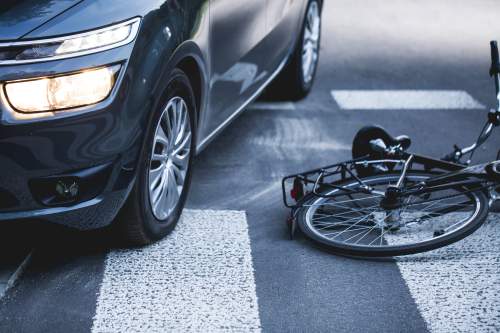
Bicycling is a popular way to exercise, commute, and enjoy the outdoors in and around Elburn, Illinois. However, sharing the road with passenger vehicles, pickup trucks, and commercial vehicles can expose cyclists to serious risks. A collision that might cause minor vehicle damage can leave a bicyclist with broken bones, a traumatic brain injury, spinal cord damage, or permanent disabilities. When a driver fails to yield, passes too closely, turns across a cyclist’s path, or becomes distracted behind the wheel, the consequences can be devastating.
Elburn’s mix of residential streets, rural roads, commuter traffic, and higher-speed routes creates different safety challenges for bicyclists. Roads such as Route 47 and Route 38 serve as important transportation corridors in the surrounding area, while intersections, driveways, and roads with limited shoulders can create hazards for people riding bicycles. Drivers and cyclists must understand their responsibilities under Illinois law to help prevent collisions.
When a bicycle accident results from another person’s negligence, an injured cyclist may have the right to pursue compensation for medical expenses, lost income, pain and suffering, and other losses. At John J. Malm & Associates, our Elburn personal injury lawyers help injured people understand their legal options after serious accidents.
Why Cyclist Safety Matters
National and Illinois traffic safety statistics demonstrate that bicycle crashes remain a significant public safety concern. According to the National Highway Traffic Safety Administration (NHTSA), 1,166 bicyclists and other pedalcyclists were killed in traffic crashes nationwide in 2023, and an estimated 49,989 were injured. Fatalities increased approximately 4% from 2022, while estimated injuries increased approximately 8%. These figures include pedalcyclists and are not limited exclusively to traditional bicycles. The data demonstrate the serious risks faced by people traveling on two wheels alongside motor vehicles.
The timing and location of bicycle crashes also matter. NHTSA’s bicycle safety research reports that, in 2021, approximately 56% of bicyclist fatalities occurred during dawn, dusk, or nighttime conditions. About 62% occurred at locations other than intersections. Although these figures describe an earlier year, they illustrate that dangerous bicycle crashes are not confined to major intersections or daylight hours.
Illinois faces similar concerns. According to Ride Illinois, the state’s bicycle advocacy organization, Illinois recorded 41 bicyclist fatalities in 2023, up from 12 in 2019. Ride Illinois reports that an average of approximately 30 bicyclists have been killed on Illinois roads annually since 2018.
Common Causes of Bicycle Accidents in Elburn
Bicycle crashes often occur because a driver or another responsible party fails to recognize a cyclist’s presence or respond appropriately to a foreseeable hazard. Some crashes involve a single negligent act, while others result from several contributing factors. Common causes of bike accidents in Elburn include:
Distracted driving
Distracted driving is a major risk to bicyclists because drivers may fail to notice a person riding beside the road, entering an intersection, or crossing a driveway. A driver looking at a phone, adjusting a navigation system, or interacting with passengers may not react quickly enough to avoid a collision. Even a brief distraction can be dangerous when vehicles travel at higher speeds. Drivers should scan the roadway, check mirrors before turning or changing lanes, and remain alert for cyclists.
Failure to yield at intersections
Intersections create risks when drivers turn left across an approaching bicyclist’s path or turn right without checking for a cyclist traveling alongside their vehicle. A driver may misjudge a bicycle’s speed or assume there is enough time to complete a turn.
These collisions can be especially severe when a cyclist is struck broadside or thrown onto the pavement. Drivers must obey traffic signals and signs, yield when required, and check for bicycles before turning.
Unsafe passing and inadequate clearance
A motorist who passes a cyclist too closely can force the rider off the road, cause a collision, or create a dangerous loss of balance. The risk is particularly concerning on roads with narrow shoulders, limited sight distance, or opposing traffic that restricts passing space.
Illinois law generally requires a driver overtaking a bicycle to leave at least three feet of clearance when passing, subject to the statutory conditions. Drivers should wait until it is safe to pass rather than squeeze between a cyclist and an oncoming vehicle.
Speeding on rural roads
Higher vehicle speeds can increase both the likelihood of a severe collision and the extent of the resulting injuries. On roads surrounding Elburn, drivers may encounter bicyclists on stretches where shoulders are narrow or absent.
A driver who travels too fast for visibility, traffic, weather, or roadway conditions may be unable to stop in time when a cyclist enters the driver’s path. Drivers should reduce speed when approaching cyclists and provide adequate room.
Poor road conditions and inadequate infrastructure
Potholes, loose gravel, debris, uneven pavement, drainage grates, and deteriorated shoulders can cause a cyclist to lose control. A rider who swerves to avoid a hazard may also enter the path of a passing vehicle.
Depending on the location and circumstances, responsibility may involve a negligent driver, a property owner, a construction contractor, or a government entity. However, a dangerous condition alone does not automatically establish liability. The applicable legal duties, notice requirements, and any statutory immunities must be evaluated.
Low visibility and nighttime riding
Cyclists may be difficult to see in darkness, fog, rain, or glare, particularly when they lack working lights or reflective equipment. Drivers who fail to use appropriate caution in these conditions may not recognize a cyclist until it is too late to avoid a collision.
Cyclists should use required lighting, wear visible clothing when practical, and remain alert to traffic. Motorists must still exercise reasonable care and watch for bicyclists sharing the roadway.
Bicycle Accident Risks on Roads Around Elburn
Local roadway conditions can influence the types of bicycle crashes that occur in and around Elburn. Although every crash must be evaluated individually, several common road environments deserve particular attention. Some of the most common locations for bicycle accidents in Elburn include:
Route 47
Route 47 is an important regional travel corridor near Elburn. Depending on the specific segment, traffic volume, vehicle speeds, turning movements, and available shoulder space may create challenges for cyclists.
Drivers approaching a bicyclist should reduce speed when appropriate, avoid unsafe passing, and provide the legally required clearance. Cyclists should use caution when entering or crossing the route and should not assume that an approaching motorist has seen them.
Route 38 and connecting roads
Route 38 and connecting roads serve local and regional traffic. Intersections, driveways, and turning vehicles can create conflicts between motorists and bicyclists, particularly where visibility is limited.
Drivers entering the roadway from private driveways or side streets should check for cyclists before pulling out. Cyclists should approach intersections cautiously and follow applicable traffic controls.
Rural roads and roads with limited shoulders
Roads outside the village may have limited shoulders, uneven pavement, agricultural traffic, or higher posted speed limits. These conditions can leave cyclists with fewer safe options when avoiding debris or passing vehicles.
Motorists should be patient and pass only when there is adequate space and visibility. Cyclists should select routes carefully when possible and avoid riding outside their abilities or beyond the limits of their equipment.
Residential streets and driveways
Residential areas create risks involving children riding bicycles, parked cars, vehicles backing out of driveways, and drivers turning at intersections. Motorists should reduce speed, watch carefully for children, and check sidewalks and driveways before maneuvering. Parents and caregivers can help reduce risks by teaching children bicycle-handling skills, helmet use, traffic awareness, and the importance of stopping and looking before entering a roadway.
Common Injuries in Elburn Bike Accidents
Bicyclists have little physical protection compared with occupants of passenger vehicles. Even when a cyclist wears a helmet, a collision can cause serious injuries requiring extensive treatment. Common bicycle accident injuries include:
- Traumatic brain injuries: Concussions and more severe brain injuries may cause headaches, memory problems, cognitive difficulties, and lasting disability.
- Broken bones: Fractures involving the collarbone, wrist, arm, leg, ribs, or pelvis can require surgery and lengthy rehabilitation.
- Spinal cord and back injuries: Damage to the spine may result in chronic pain, restricted mobility, or paralysis.
- Road rash and soft-tissue injuries: Abrasions, deep cuts, and muscle damage may require wound care, surgery, or treatment for scarring.
- Internal injuries: Blunt-force trauma may damage internal organs or cause internal bleeding.
- Facial and dental injuries: Cyclists may suffer broken teeth, jaw fractures, eye injuries, and permanent scarring.
- Fatal injuries: Severe head trauma, internal injuries, and other catastrophic injuries may prove fatal.
The financial consequences can extend well beyond emergency treatment. A seriously injured cyclist may need physical therapy, occupational therapy, home modifications, assistive equipment, or long-term medical care. If the injury prevents a return to work, the cyclist may also experience substantial lost income and reduced future earning capacity.
Illinois Bicycle Laws and Cyclist Rights
Illinois law gives bicyclists responsibilities on public roads while also establishing protections and duties for motorists. Under the Illinois Vehicle Code, 625 ILCS 5/11-1502, bicyclists generally have the rights and duties applicable to drivers of vehicles, subject to the special rules governing bicycles. Cyclists must comply with applicable traffic signals, signs, and roadway rules. Important legal requirements and safety principles include:
- Traffic signals and signs: Cyclists must obey applicable traffic controls and rules of the road.
- Direction of travel: Bicyclists riding on the roadway generally must travel in the same direction as motor vehicle traffic.
- Safe passing: Under 625 ILCS 5/11-703(d), motorists overtaking a bicycle must leave at least three feet of clearance, subject to the statute’s terms.
- Lighting equipment: Illinois law establishes requirements for bicycle lighting and reflectors when riding during specified low-light conditions.
- Reasonable care: Drivers must exercise appropriate care when sharing the road with bicyclists and must comply with applicable right-of-way requirements.
These rules can be important when investigating a collision, but a traffic violation does not automatically resolve every issue of civil liability. The facts, causation, and applicable legal standards must be considered.
Who Can Be Held Liable for an Elburn Bicycle Accident?
Determining liability requires identifying the conduct or condition that caused the crash. Depending on the facts, more than one party may share responsibility.
Negligent motorists
A driver may be liable for injuries caused by distracted driving, speeding, unsafe passing, failure to yield, or other negligent conduct. Evidence such as witness statements, video footage, vehicle damage, and police reports can help establish what happened.
Employers and commercial vehicle operators
If a delivery driver or other employee causes a bicycle crash while working, the employer may potentially be responsible under applicable legal principles. The driver’s employment status, the purpose of the trip, and the circumstances of the collision must be investigated.
Government entities and roadway contractors
A dangerous roadway condition or negligent work-zone setup may contribute to a bicycle accident. Potential claims involving public entities or contractors require careful examination of their duties, the cause of the hazard, notice, and any applicable immunities or procedural requirements.
Bicycle or component manufacturers
A defective bicycle frame, brake, tire, fork, or other component may cause a crash. If a product defect contributed to the accident, a product liability claim may be possible. Expert inspection may be necessary to distinguish a defect from ordinary wear, poor maintenance, or damage sustained during the collision.
What Compensation Can Be Recovered After an Elburn Bicycle Accident?
A cyclist injured because of another party’s negligence may be entitled to seek compensation for losses recognized by Illinois law. The amount depends on the severity of the injury, the evidence of liability, available insurance, and other case-specific factors. Potential damages include:
- Past and reasonably necessary future medical expenses.
- Lost wages and reduced earning capacity.
- Pain and suffering.
- Disability and disfigurement.
- Loss of a normal life.
- Other legally recoverable losses supported by the evidence.
In cases involving catastrophic injuries, future medical needs and long-term care costs may be significant. In fatal bicycle accidents, eligible family members may have rights under Illinois wrongful death law, and a separate survival action may be available for certain losses.
For many Illinois personal injury claims, the general statute of limitations is two years, although exceptions apply. Claims involving public entities can have different deadlines and procedural requirements. Prompt legal advice can help protect evidence and identify the correct filing deadline.
What to Do After a Bicycle Accident in Elburn
The steps taken immediately after a crash can protect a cyclist’s health and help preserve evidence for a potential claim.
- Get medical attention. Call 911 for serious injuries and seek medical evaluation even if symptoms initially appear minor.
- Report the collision. Contact law enforcement when appropriate and obtain information about the police report.
- Document the scene. If it is safe, photograph the vehicles, bicycle, road conditions, traffic signs, skid marks, and visible injuries.
- Identify witnesses. Obtain names and contact information from people who saw the collision.
- Preserve the bicycle and equipment. Avoid repairing or discarding a damaged bicycle, helmet, or component before it can be inspected if a claim may be pursued.
- Keep records. Save medical bills, treatment records, wage-loss documentation, receipts, and communications from insurers.
- Be cautious with insurance statements. Provide necessary information, but avoid guessing about fault or making definitive statements before the facts are known.
- Consult an experienced Elburn bicycle injury lawyer. Legal guidance can help identify potentially responsible parties, preserve evidence, and evaluate available compensation.
Frequently Asked Questions About Elburn Bicycle Accidents
What should I do if I am hit by a car while riding my bicycle in Elburn?
Seek medical attention, report the collision when appropriate, and document the scene if it is safe. Obtain the driver’s contact and insurance information, identify witnesses, and preserve your bicycle and damaged equipment. Keep records of medical treatment and expenses. Avoid making assumptions about fault before the facts have been investigated.
Can I recover compensation if I was not wearing a bicycle helmet?
Possibly. The absence of a helmet does not automatically prevent an injured cyclist from pursuing a claim. The effect, if any, depends on the circumstances, applicable law, and evidence concerning causation and damages. A lawyer can evaluate whether helmet use is legally relevant to the particular injuries and claim.
What if I was partly responsible for my bicycle accident?
Illinois follows a modified comparative negligence system. Under 735 ILCS 5/2-1116, your compensation may be reduced by your percentage of fault, and recovery is generally barred if your fault exceeds 50%. An attorney can examine the evidence to determine how responsibility may be allocated.
How much is an Elburn bicycle accident case worth?
There is no standard settlement amount for a bicycle accident. Value depends on injury severity, medical expenses, lost earnings, future care needs, pain and suffering, the strength of the liability evidence, and available insurance coverage. Cases involving permanent disability or catastrophic injuries may involve substantially greater damages than cases involving temporary injuries.
Can I file a claim if a road defect caused my bicycle accident?
Potentially. A claim may be possible when a dangerous roadway condition contributed to the crash and a responsible party breached an applicable legal duty. Claims against government entities may involve special notice provisions, immunities, and deadlines. The location of the hazard and the entity responsible for maintaining it are important considerations.
How long do I have to file a bicycle accident lawsuit in Illinois?
Many Illinois personal injury lawsuits are subject to a two-year statute of limitations, but exceptions may apply depending on the circumstances. Claims involving public entities, minors, or other special situations may be governed by different rules. It is important to obtain legal advice promptly to determine the deadline for your specific claim.
Should I speak with the driver’s insurance company after a bicycle accident?
You may need to provide basic information, but use caution when giving recorded statements or discussing fault before you understand your injuries and the available evidence. You should not speculate about the cause of the collision or minimize symptoms. An attorney can help you communicate with insurers and evaluate any settlement offer.
Why should I contact a bicycle accident lawyer?
A lawyer can investigate the crash, identify potentially responsible parties, gather evidence, evaluate medical and financial losses, and handle communications with insurance companies. Legal representation may be especially useful when the driver disputes fault, injuries are serious, multiple parties may be liable, or a government entity could be involved.
Contact the 5-Star Rated Elburn Bike Accident Lawyers at John J. Malm & Associates
A bicycle accident can change a person’s life in seconds. Serious injuries may prevent you from working, participating in activities you enjoy, or caring for your family without assistance. When a negligent driver, unsafe roadway condition, or defective product causes a bicycle crash, you should not have to bear the resulting financial and personal burdens without exploring your legal options.
At John J. Malm & Associates, we represent injured people throughout Kane County and the surrounding Illinois communities. Our firm brings more than 95 years of combined litigation experience to personal injury cases. We understand the importance of preserving evidence, investigating the cause of a collision, evaluating the full extent of a client’s injuries, and pursuing compensation supported by the facts and applicable law.
If you or someone you love has been injured in a bicycle accident in Elburn, Illinois, contact John J. Malm & Associates for a free consultation. Call our firm at (630) 527-4177 to discuss your accident and learn about your legal options. We will help you understand the next steps toward protecting your rights and seeking compensation for the harm you have suffered.