- Free Consultation: (630) 527-4177 Tap Here to Call Us















Which Family Members Can File a Wrongful Death Claim in Illinois?


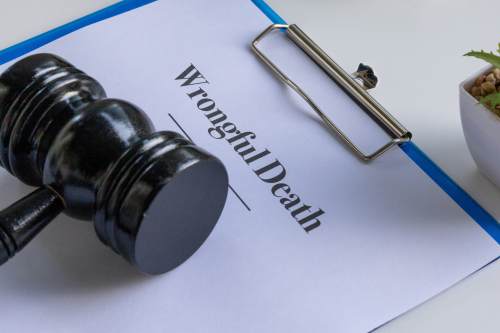
Losing a loved one because of another person’s negligence or wrongful conduct is one of the most devastating experiences a family can endure. Whether a fatal accident involves a car crash, truck collision, medical negligence, workplace incident, nursing home abuse, or another preventable tragedy, surviving family members are often left facing emotional trauma, financial uncertainty, and difficult questions about their legal rights. One of the most common questions following a preventable death is: Who has the legal right to file a wrongful death lawsuit in Illinois?
Illinois has specific laws governing who may bring a wrongful death action and which family members may receive compensation. Importantly, the person who files the lawsuit is not necessarily the person who receives the settlement or verdict. Under the Illinois Wrongful Death Act, a personal representative generally brings the lawsuit for the benefit of the deceased person’s surviving spouse and next of kin.
Understanding these rules is important because family relationships, dependency, and the deceased person’s surviving relatives can affect who is entitled to compensation. At John J. Malm & Associates, our Illinois wrongful death attorneys help families understand their rights, investigate fatal accidents, and pursue accountability when negligence takes a loved one’s life.
What Is a Wrongful Death Claim in Illinois?
A wrongful death claim is a civil lawsuit brought when a person dies because of another party’s wrongful act, neglect, or default. Illinois law allows eligible surviving family members to seek compensation when the deceased person would have had a valid personal injury claim had they survived.
The primary law governing these cases is the Illinois Wrongful Death Act, 740 ILCS 180/1 et seq. Section 1 of the Act provides that when a person’s death is caused by a wrongful act, neglect, or default that would have entitled the injured person to recover damages if they had survived, the responsible party may be held liable in a wrongful death action. Wrongful death cases can arise from many circumstances, including:
- Fatal automobile, motorcycle, and truck accidents.
- Pedestrian and bicycle collisions.
- Medical malpractice and surgical errors.
- Nursing home neglect and abuse.
- Dangerous property conditions and premises liability.
- Defective products and dangerous machinery.
- Workplace accidents caused by negligence.
- Dog attacks and other preventable incidents.
The purpose of a wrongful death lawsuit is to compensate eligible surviving family members for the losses they experience because of their loved one’s death. These losses can include financial support, services, companionship, guidance, grief, sorrow, and mental suffering.
Who Can File a Wrongful Death Lawsuit in Illinois?
Under 740 ILCS 180/2, a wrongful death lawsuit must generally be brought in the name of the deceased person’s personal representative. This person is commonly the executor or administrator of the deceased person’s estate. However, the lawsuit is brought for the exclusive benefit of the deceased person’s surviving spouse and next of kin.
This distinction is important. A family member does not automatically have the authority to file a wrongful death lawsuit simply because they are related to the deceased. The personal representative generally serves as the named plaintiff and pursues the claim on behalf of the legally recognized beneficiaries. The law is designed to prevent multiple family members from filing separate lawsuits over the same death and to ensure that eligible beneficiaries’ interests are considered together.
The Surviving Spouse
A surviving husband or wife is among the individuals expressly identified in the Illinois Wrongful Death Act as an eligible beneficiary. A spouse may recover compensation for losses resulting from the death, including:
- Loss of financial support and contributions.
- Loss of companionship and society.
- Loss of affection, guidance, and consortium-related benefits recognized under Illinois law.
- Grief, sorrow, and mental suffering.
The surviving spouse’s eligibility does not depend exclusively on whether the deceased person was the family’s primary wage earner. The relationship and the losses resulting from the death are important considerations.
Children of the Deceased Person
Children may also qualify as next of kin under Illinois wrongful death law. This can include biological children and legally adopted children. Children may experience significant losses when a parent dies, including the loss of financial support, parental guidance, companionship, instruction, and emotional support.
Illinois law expressly recognizes adopting parents and adopted children as next of kin for purposes of the Wrongful Death Act. An adopted child is treated as a natural child, and an adopting parent is treated as a natural parent under 740 ILCS 180/2(f). Whether the children are minors or adults does not automatically determine eligibility. Their legal relationship to the deceased and the applicable rules of intestate succession must be considered.
Parents of the Deceased Person
Parents may qualify as next of kin when their child dies because of another party’s negligence. However, whether parents are eligible beneficiaries depends on the deceased person’s surviving family members and Illinois inheritance law. For example, if the deceased leaves behind a child, that child may take priority over the deceased person’s parents under the intestate succession rules.
Parents may have a particularly important role in cases involving the death of an unmarried person who had no children. In those circumstances, parents may be among the individuals entitled to wrongful death compensation.
Brothers and Sisters
Siblings may qualify as next of kin in certain wrongful death cases. However, their eligibility depends on whether closer relatives, such as a surviving spouse or children, have priority under Illinois intestate succession laws.
For example, if an unmarried person dies without children and neither parent survives, brothers and sisters may be among the relatives entitled to inherit under Illinois law. A sibling’s emotional relationship with the deceased may be meaningful, but emotional closeness alone does not establish statutory eligibility. The legal order of inheritance must be evaluated.
Other Relatives
Depending on the deceased person’s family circumstances, other relatives may potentially qualify as next of kin. These may include grandparents, nieces, nephews, or more distant blood relatives who would inherit under Illinois intestate succession law.
The determination is not simply based on who was closest to the deceased or who attended the funeral. Illinois courts examine the applicable inheritance rules to identify the individuals who qualify as next of kin.
How Illinois Determines Who Qualifies as Next of Kin
The Illinois Wrongful Death Act does not provide an exhaustive list of every person who may qualify as next of kin. Instead, Illinois courts generally look to the state’s intestate succession laws to determine which relatives would inherit if the deceased person had died without a valid will.
This principle was discussed by the Illinois Supreme Court in Morris v. William L. Dawson Nursing Center, Inc., 187 Ill. 2d 494 (1999). Illinois courts have explained that next of kin generally refers to the relatives who would inherit the deceased person’s personal property under intestate succession law. Under the Illinois Probate Act, 755 ILCS 5/2-1, the order of inheritance generally works as follows:
- Surviving spouse and descendants: The spouse receives one-half of the estate, and the descendants receive the other half, divided by representation.
- Surviving spouse but no descendants: The spouse generally receives the entire estate.
- Descendants but no surviving spouse: The descendants generally receive the entire estate.
- No spouse or descendants: The deceased person’s parents, siblings, or descendants of deceased siblings may inherit according to the statutory rules.
- No closer eligible relatives: More distant relatives may inherit under the applicable provisions.
These inheritance rules help determine who qualifies as next of kin, but they do not necessarily determine how wrongful death settlement proceeds are divided. That is a separate question under the Wrongful Death Act.
How Are Wrongful Death Settlements Divided Among Family Members?
Even when several family members qualify as beneficiaries, they do not necessarily receive equal portions of a wrongful death settlement or jury verdict. Under 740 ILCS 180/2(b), the court determines how wrongful death proceeds should be distributed based on the percentage of financial dependency each beneficiary had on the deceased person.
For example, a surviving spouse who depended heavily on the deceased person’s income may receive a larger share than an adult child who was financially independent. However, financial dependency is not limited to direct monetary contributions. The court may consider the broader contributions and support the deceased provided to family members.
Illinois law also recognizes that the losses associated with wrongful death extend beyond financial hardship. The statute expressly allows compensation for grief, sorrow, and mental suffering. A court may consider several factors when determining the appropriate distribution, including:
- The financial support the deceased provided to each beneficiary.
- The extent to which family members relied on the deceased for daily living expenses.
- The nature and extent of the relationship between the deceased and each beneficiary.
- The guidance, companionship, and services the deceased provided.
- The circumstances surrounding the death and the resulting losses.
It is important to understand that eligibility as next of kin and the amount of compensation a person receives are two separate legal questions.
What Happens If the Deceased Person Did Not Have a Spouse or Children?
Some wrongful death cases involve unmarried individuals who did not have children. Others involve people whose closest relatives have already passed away. In these situations, parents, siblings, and more distant relatives may qualify as next of kin under Illinois intestate succession laws.
If there is no surviving spouse or next of kin entitled to recover, the Illinois Wrongful Death Act provides a limited alternative for certain expenses. Under Section 2(c), recovery may benefit individuals or entities that paid for the deceased person’s final hospitalization, medical or surgical services, and certain estate administration and legal expenses. Statutory limits apply to those categories.
This provision is particularly important because the absence of a spouse or immediate family members does not necessarily mean that a wrongful death claim is impossible.
What If No Personal Representative Has Been Appointed?
Families sometimes assume they cannot pursue a wrongful death claim because nobody has been appointed executor or administrator of their loved one’s estate. Fortunately, Illinois law provides a mechanism to address this situation.
Under 740 ILCS 180/2.1, if the only asset of the deceased person’s estate is a wrongful death cause of action and no petition for letters of office has been filed, a person who would be entitled to recover under the Act may ask the court to appoint a special administrator.
A special administrator can be appointed specifically to pursue the wrongful death lawsuit. This allows eligible beneficiaries to move forward without necessarily opening a traditional probate estate. An experienced Illinois wrongful death attorney can help determine whether an executor, administrator, or special administrator should be appointed and ensure that the lawsuit is filed in the proper name.
What Compensation Can Family Members Recover in an Illinois Wrongful Death Case?
Illinois wrongful death damages are intended to compensate eligible beneficiaries for losses resulting from their loved one’s death. Depending on the circumstances, recoverable damages may include:
- Loss of financial support: Income and financial contributions the deceased would reasonably have provided.
- Loss of companionship: The loss of the deceased person’s presence, relationship, and companionship.
- Loss of guidance: The loss of parental advice, instruction, care, and guidance.
- Loss of services: Household services, childcare, and other contributions the deceased provided.
- Grief, sorrow, and mental suffering: Emotional losses experienced by eligible beneficiaries.
Punitive damages may also be available in certain cases involving sufficiently egregious conduct, subject to statutory restrictions. For example, the Wrongful Death Act excludes punitive damages in healing-art malpractice and legal-malpractice actions and certain actions against government defendants.
A separate claim under the Illinois Survival Act may also be available. While a wrongful death claim compensates eligible family members for their losses, a survival action preserves certain claims the deceased person could have pursued had they survived, including claims involving the injuries and conscious pain and suffering experienced before death. The two claims serve different purposes and may be pursued together when the facts and law support them.
Why You Should Work With an Experienced Illinois Wrongful Death Lawyer
Wrongful death claims can involve complicated questions about liability, probate administration, family relationships, beneficiary eligibility, and damages. An experienced attorney can help by:
- Identifying all individuals who may qualify as beneficiaries.
- Determining who should serve as the personal representative.
- Investigating the circumstances surrounding the death.
- Preserving critical evidence and identifying responsible parties.
- Obtaining accident reports, medical records, and expert opinions.
- Calculating the financial and personal losses suffered by surviving family members.
- Negotiating with insurance companies and pursuing litigation when necessary.
Insurance companies may attempt to minimize the value of a wrongful death claim or dispute who is entitled to receive compensation. Having an attorney who understands Illinois wrongful death law can help protect the interests of eligible beneficiaries throughout the process.
Frequently Asked Questions About Illinois Wrongful Death Claims
Can a child file a wrongful death lawsuit for a deceased parent in Illinois?
Children may qualify as next of kin and beneficiaries under the Illinois Wrongful Death Act. However, the lawsuit is generally filed by the deceased parent’s personal representative on behalf of eligible beneficiaries.
Can parents sue for the wrongful death of an adult child?
Yes, parents may qualify as next of kin when their adult child dies because of another party’s negligence. Their eligibility depends on whether the deceased left a surviving spouse, descendants, or other relatives with priority under Illinois intestate succession law.
Can siblings file a wrongful death claim in Illinois?
Siblings may qualify as next of kin when there are no relatives with higher priority under the applicable inheritance rules. Their eligibility must be evaluated based on the deceased person’s family circumstances.
Can an unmarried partner file a wrongful death lawsuit?
An unmarried romantic partner generally does not qualify as a surviving spouse or next of kin solely because of the relationship. However, the circumstances should be reviewed by an attorney to determine whether another legally recognized relationship or basis for recovery exists.
Does everyone in the family receive an equal share of a wrongful death settlement?
No. Illinois law generally requires wrongful death proceeds to be distributed according to each beneficiary’s percentage of dependency on the deceased person. The court determines the appropriate distribution.
Can an adult child receive compensation even if they were financially independent?
Potentially, yes. Adult children may qualify as next of kin even when they were financially independent. The court considers the applicable statutory standards and the losses resulting from the death when determining compensation.
What happens if the deceased person had no surviving relatives?
The Wrongful Death Act provides limited recovery for qualifying hospitalization, medical and surgical expenses, and estate administration costs when there is no surviving spouse or next of kin entitled to recover.
How long does a wrongful death case take in Illinois?
The timeline depends on the complexity of the investigation, the number of defendants, the extent of the damages, and whether the case settles or proceeds to trial. Some claims resolve through settlement, while others require litigation.
The Compassionate Illinois Wrongful Death Attorneys at John J. Malm & Associates Can Help Your Family Pursue Justice
Losing a family member because of someone else’s negligence should never be something a family has to navigate alone. Illinois wrongful death laws provide important rights to surviving spouses, children, parents, siblings, and other qualifying relatives, but determining who can benefit from a claim requires a careful understanding of the Wrongful Death Act and Illinois probate law.
At John J. Malm & Associates, we understand that no financial recovery can replace someone you love. Our attorneys have over 95 years of combined litigation experience and are committed to helping families pursue justice after preventable tragedies. We investigate fatal accidents, identify responsible parties, protect the interests of eligible family members, and fight for the compensation families deserve.
If your spouse, child, parent, sibling, or another loved one died because of someone else’s negligence, you may have the right to pursue a wrongful death claim. Do not assume that you are ineligible to recover compensation without first understanding your legal rights. Contact our firm after an accident involving a fatal injury to discuss your family’s situation with an experienced Illinois wrongful death lawyer. John J. Malm & Associates serves families throughout DuPage, Kane, Cook, Will, Kendall, and surrounding Illinois counties. We offer free consultations and are prepared to help your family take the next step toward accountability and justice.