- Free Consultation: (630) 527-4177 Tap Here to Call Us
















When Do Nursing Home Residents Have a Civil Claim for Injuries in Illinois?


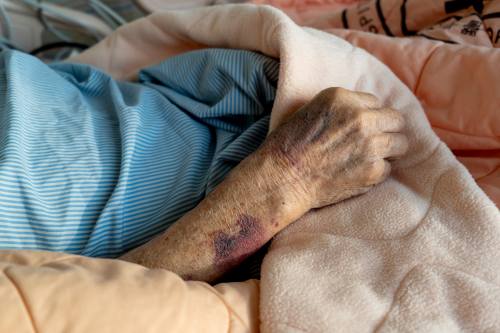
Nursing homes have a legal responsibility to provide residents with appropriate care, supervision, and protection from preventable harm. Families entrust these facilities with the safety and well-being of loved ones who may need assistance with bathing, dressing, eating, mobility, medication management, and other daily activities. When a nursing home fails to meet its legal obligations and a resident suffers an injury, the resident or an authorized representative may have grounds to pursue a civil claim under Illinois law.
Not every injury in a nursing home automatically establishes liability. Residents may experience medical complications, falls, and other health problems even when caregivers provide appropriate care. However, when an injury results from negligence, inadequate staffing, abuse, neglect, or a violation of applicable safety standards, the facility and potentially other responsible parties may be held accountable.
At John J. Malm & Associates, our Illinois nursing home abuse attorneys understand the serious physical, emotional, and financial consequences nursing home injuries can have on residents and their families. Understanding when a civil claim may be available can help families recognize warning signs, protect evidence, and take appropriate legal action.
“Families should not have to wonder whether a loved one was injured because a nursing home failed to provide the care and supervision that resident needed. When preventable harm occurs, a careful investigation can help uncover what happened and determine whether the responsible parties should be held accountable.” — John J. Malm, Naperville nursing home neglect attorney
How Common Are Nursing Home Injuries?
Nursing home injuries are a significant concern for older adults, their families, and public health officials. Residents may be particularly vulnerable because of mobility limitations, chronic medical conditions, cognitive impairments, and the need for assistance with everyday activities. The following statistics provide important context:
- Falls among older adults: The Centers for Disease Control and Prevention (CDC) reports that more than one in four adults age 65 and older falls each year. Falls can cause fractures, head injuries, loss of independence, and other serious complications.
- Injuries requiring emergency care: The CDC estimates that approximately 3 million older adults are treated in emergency departments for fall injuries annually.
- Federal nursing home oversight: The Centers for Medicare & Medicaid Services (CMS) maintains inspection, complaint, and enforcement records for Medicare- and Medicaid-certified nursing homes. These records can help families investigate a facility’s compliance history.
What Is a Civil Claim for a Nursing Home Injury?
A civil claim is a legal action seeking compensation or another appropriate remedy for harm caused by another party’s wrongful conduct. In Illinois, nursing home injury claims may arise under several legal theories, depending on the circumstances.
Negligence
Negligence occurs when a person or organization fails to exercise the legally required level of care and that failure causes injury. A nursing home negligence claim generally requires evidence that the defendant owed a duty of care, breached that duty, caused the resident’s injury, and resulting damages occurred.
Examples may include failing to assist a resident who is known to be at risk of falling, leaving a resident unattended in an unsafe situation, or failing to obtain medical attention when symptoms indicate a serious problem.
Violations of nursing home residents’ rights
Illinois nursing home residents have statutory protections under the Illinois Nursing Home Care Act, 210 ILCS 45. The Act addresses residents’ rights and the responsibilities of facilities providing nursing home care. Depending on the facts, a resident may have a claim when a facility’s failure to comply with applicable statutory duties causes injury. Section 3-601 of the Act addresses civil remedies for violations of rights secured under the Act, including recovery of actual damages and, in appropriate circumstances, other statutory remedies.
Medical malpractice
Some cases involve negligent medical care, such as an improper diagnosis, medication error, or failure to recognize a serious medical condition. These claims may require analysis under Illinois medical malpractice law, including applicable professional standards and expert testimony requirements. The appropriate legal theory depends on the conduct involved, the identity of the responsible parties, and the nature of the resident’s injuries.
Common Situations That May Support a Nursing Home Injury Claim
A civil claim may be appropriate when a resident suffers harm because a facility, employee, medical provider, or another responsible party failed to meet applicable duties.
1. Falls caused by inadequate supervision or fall prevention
Falls are among the most common concerns in long-term care settings. A resident who has a documented history of falls, difficulty walking, or confusion may require individualized precautions. A potential claim may arise when staff members:
- Ignore a resident’s documented fall risk.
- Fail to provide required assistance with transfers or walking.
- Leave a resident in an unsafe position.
- Fail to maintain safe walking areas or promptly address hazards.
- Neglect to implement appropriate fall-prevention measures.
A fall alone does not prove negligence. The key question is whether reasonable care and applicable requirements were followed in light of the resident’s known condition.
2. Bedsores and pressure injuries
Pressure injuries can develop when prolonged pressure damages the skin and underlying tissue. Residents who cannot reposition themselves may require regular repositioning, skin assessments, appropriate support surfaces, nutrition, and other preventive measures. A claim may arise if a nursing home fails to follow an appropriate care plan, disregards early warning signs, or allows a preventable pressure injury to progress.
Severe pressure injuries can lead to infections, hospitalization, tissue damage, and significant pain. Medical records and wound-care documentation may be important evidence in determining whether the injury was preventable.
3. Medication errors
Nursing home residents may depend on staff to administer medications correctly and monitor potential side effects. Errors can occur when the wrong medication or dose is given, a prescribed medication is omitted, or a resident’s adverse reaction goes unrecognized.
Potentially actionable conduct includes medication administration errors, failures to monitor residents appropriately, and delays in responding to medication-related complications. Liability depends on the applicable standard of care, causation, and the resulting harm.
4. Malnutrition, dehydration, and neglect
Residents who need assistance eating or drinking may be harmed when staff fail to provide necessary support. Warning signs can include unexplained weight loss, dry mouth, weakness, confusion, reduced urine output, and repeated dehydration-related hospitalizations. A potential claim may involve failures to provide adequate assistance, monitor nutritional status, follow dietary instructions, or respond to documented concerns.
5. Infections and delayed medical treatment
Nursing homes must respond appropriately to signs of infection and changes in a resident’s condition. Depending on the circumstances, delays in assessment or treatment may contribute to serious complications, including sepsis.
A claim may arise if staff ignore concerning symptoms, fail to notify the appropriate medical professional, or do not follow necessary infection-control procedures. Expert review may be needed to determine whether the care fell below the applicable standard and caused additional harm.
6. Physical, emotional, or sexual abuse
Abuse is distinct from an unavoidable medical complication. It may include hitting, rough handling, threats, humiliation, inappropriate restraint, or sexual misconduct. Evidence of abuse may support civil claims against the individual responsible and, depending on the facts, a facility that negligently hired, supervised, or retained an employee or failed to take reasonable protective measures. Criminal proceedings may also be appropriate, but a civil claim is a separate legal matter.
7. Injuries involving restraints or unsafe equipment
Improper use of physical or chemical restraints can place residents at risk of falls, respiratory complications, distress, and other injuries. Wheelchairs, lifts, beds, and other equipment may also cause harm if defective, improperly maintained, or used without appropriate precautions. A potential claim depends on the cause of the injury and whether the facility, an employee, a manufacturer, or another party violated an applicable duty.
What Must Be Proven in an Illinois Nursing Home Injury Case?
The evidence required depends on the legal theory. In a negligence case, the injured resident generally must establish the following elements:
- Duty: The defendant owed the resident a legally recognized duty of care.
- Breach: The defendant failed to meet that duty.
- Causation: The breach caused or contributed to the injury.
- Damages: The resident suffered compensable harm, such as medical expenses, pain, disability, or other legally recognized losses.
For a claim under the Illinois Nursing Home Care Act, the legal analysis may differ from an ordinary negligence claim. The Act provides specific protections and remedies, and a lawyer should evaluate which provisions apply.
Evidence that may be important includes medical records, nursing notes, incident reports, care plans, medication administration records, photographs, witness statements, staffing records where obtainable, inspection reports, and communications with facility management.
Families should preserve relevant documents and make a written record of concerns. They should avoid altering or discarding potential evidence and should seek prompt medical attention whenever a resident may be injured.
Who Can Be Held Responsible?
Responsibility depends on the facts of the case. Potential defendants may include:
- The nursing home or facility operator.
- Individual nurses, nursing assistants, or other employees.
- A physician or other medical professional.
- An outside healthcare provider or staffing company.
- A manufacturer or maintenance provider when defective equipment contributed to the injury.
A facility may be responsible for its own negligent policies or practices and may also face liability for employees’ conduct under applicable legal principles. However, responsibility is not automatic merely because an injury occurred on facility property. An investigation should identify the parties whose conduct contributed to the resident’s harm and determine which legal claims are supported by the evidence.
How Long Do You Have to File a Nursing Home Injury Lawsuit in Illinois?
Deadlines are particularly important in nursing home cases. Under 735 ILCS 5/13-202, Illinois generally imposes a two-year limitations period for personal injury actions. However, other deadlines or rules may apply depending on the legal theory, the defendant, the resident’s circumstances, and when the injury was discovered.
Claims under the Illinois Nursing Home Care Act may involve specific statutory provisions and legal questions concerning the applicable limitations period. The discovery rule, minority, legal disability, and other circumstances may affect how a deadline is calculated, but families should not assume that an exception applies. Because missing a filing deadline can prevent recovery, residents and families should consult an Illinois attorney promptly.
What Compensation May Be Available?
Depending on the claim and available evidence, an injured resident may be entitled to compensation for losses such as:
- Reasonable medical expenses and future treatment costs.
- Physical pain and suffering.
- Emotional distress where recoverable under the applicable law.
- Disability, disfigurement, or loss of normal life where supported by the facts and law.
- Other damages permitted under the applicable statutory or common-law claim.
The Illinois Nursing Home Care Act also provides specific remedies for qualifying violations. The availability of actual damages, attorney fees, punitive damages, or other relief depends on the statute, the facts, and the legal requirements for each remedy.
If a resident dies because of alleged neglect or abuse, the circumstances may support a wrongful death or survival action, subject to Illinois law. These claims have their own requirements and should be evaluated separately.
What Should Families Do If They Suspect Nursing Home Neglect?
Families should prioritize the resident’s safety and health. If there is an immediate danger, contact emergency services or arrange urgent medical care. Practical steps include:
- Document injuries, symptoms, dates, and conversations with staff.
- Photograph visible injuries or unsafe conditions when appropriate.
- Request relevant medical records and written explanations.
- Preserve messages, discharge papers, and other documentation.
- Report suspected abuse or neglect to appropriate authorities.
- Consult an attorney experienced in Illinois nursing home injury litigation.
Families may also review facility inspection information through CMS and contact the Illinois Department of Public Health regarding complaints. Reporting concerns can help trigger an investigation, but a regulatory complaint does not replace the need to evaluate potential civil claims.
Frequently Asked Questions about Illinois Nursing Home Injury Claims
Can a nursing home be sued if a resident falls?
Yes, if the evidence supports a claim that negligence or a violation of an applicable legal duty caused the fall or resulting injuries. A fall by itself does not establish liability.
Can a family sue a nursing home for neglect?
Potentially. The resident may have a claim under Illinois negligence law, the Illinois Nursing Home Care Act, or another applicable legal theory. The appropriate plaintiff and available remedies depend on the facts and the resident’s legal circumstances.
Does a nursing home have to prevent every injury?
No. Nursing homes are not automatically liable for every adverse event. They must meet applicable legal and professional obligations, including taking reasonable and required steps to address foreseeable risks and provide appropriate care.
Can a nursing home be liable for bedsores?
Yes, when the evidence establishes that a failure to provide appropriate preventive care or treatment caused or worsened the pressure injury. Medical evidence is often important in evaluating these claims.
What if the resident cannot make legal decisions independently?
A legally authorized representative may be able to act on the resident’s behalf, depending on guardianship, power-of-attorney authority, and other applicable rules. The resident’s incapacity does not necessarily eliminate a potential claim.
How much is an Illinois nursing home injury case worth?
There is no standard amount. Potential recovery depends on the severity of the injuries, medical expenses, pain and suffering, long-term consequences, available evidence, applicable law, and the circumstances of liability.
Can we file a claim if the resident has died?
Possibly. A death allegedly caused by nursing home neglect or abuse may support a wrongful death claim, a survival action, or both. Illinois law determines who may bring the claims and which damages may be recovered.
Contact the Compassionate Illinois Nursing Home Injury Attorneys at John J. Malm & Associates
When a nursing home resident suffers a preventable injury, families deserve clear answers about what happened, whether the facility met its legal obligations, and what options may be available. Evidence can become harder to obtain as time passes, and important filing deadlines may apply. John J. Malm & Associates represents injured people and families in serious injury matters and can evaluate the circumstances of a suspected nursing home injury under Illinois law. If you believe a loved one was injured because of nursing home negligence, abuse, or neglect, contact our firm for a free consultation and learn whether a civil claim may be available.