- Free Consultation: (630) 527-4177 Tap Here to Call Us













What Insurance Companies Don’t Want You to Know After a Car Accident


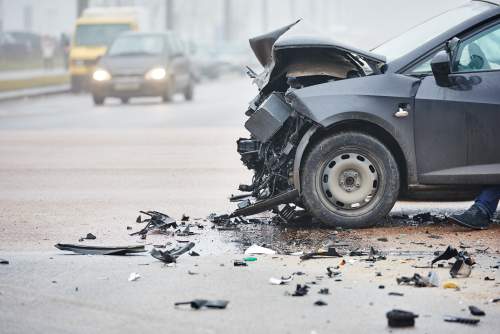
After a car accident, you may assume the insurance company will simply pay what you are owed. You report the crash, provide your insurance information, submit your medical bills, and wait for a fair settlement. Unfortunately, insurance claims are rarely that simple.
Insurance companies are businesses. Their claims representatives and adjusters are trained to investigate accidents, evaluate liability, assess injuries, and resolve claims, often for as little money as possible. Even when an insurance company appears friendly and helpful, you should remember that its interests may not always align with yours.
This is especially important in Illinois, where more than 300,000 motor vehicle crashes occur each year. According to the Illinois Department of Transportation’s 2024 Crash Facts, there were 303,913 motor vehicle crashes in Illinois in 2024, including 63,109 injury crashes and 1,085 fatal crashes. Nationally, the National Highway Traffic Safety Administration reported an estimated 2.44 million people injured in police-reported traffic crashes in 2023. If you have been injured in a crash, understanding how insurance companies approach claims can help you protect your rights.
“Insurance companies have a responsibility to evaluate legitimate claims, but accident victims should never assume that the first offer is the best offer or that the insurance company has determined the true value of their injuries. Understanding your rights and having the evidence to support your claim can make a significant difference.” — John J. Malm, Naperville car accident attorney
Insurance Companies Are Not Automatically on Your Side
One of the most important things to understand after a crash is that an insurance adjuster’s job is to protect the insurance company’s financial interests. If another driver caused your accident, you will generally be dealing with that driver’s insurance company. This is called a third-party claim. The Illinois Department of Insurance explains that, in a third-party claim, you do not have a direct contract with the other driver’s insurer; the insurer’s primary obligation is to its own policyholder. That distinction matters.
The adjuster may sound sympathetic and may genuinely want to help resolve the claim. But the adjuster is still evaluating the claim from the insurance company’s perspective. Statements you make, medical records you provide, photographs, accident reports, and other evidence can all be considered when determining how much the insurer is willing to pay.
This is one reason you should be careful about making statements about your injuries, fault, or the circumstances of the crash before you understand the potential consequences.
You Do Not Have to Accept the Insurance Company’s First Settlement Offer
Another misconception is that the first settlement offer is necessarily the amount your claim is worth. It is not. An insurance company may make an early offer before the full extent of your injuries is known. This can be particularly problematic when an accident causes injuries that require weeks or months of treatment.
For example, a person may initially experience relatively mild neck or back pain after a collision. Later, diagnostic imaging may reveal a more significant injury, or symptoms may become chronic. If the person already accepted a settlement and signed a release, obtaining additional compensation can become extremely difficult.
The Illinois Department of Insurance specifically warns that, in most cases, an insurance company will require you to sign a release before settling a third-party claim. That release generally means you agree that the settlement is the final amount you will receive for the claim.
Before accepting a settlement, consider whether you know the full extent of your damages. Important questions include:
- Have you completed medical treatment?
- Do your doctors know your prognosis?
- Could you require future treatment?
- Have you missed work?
- Have you lost income or earning capacity?
- Has the accident affected your ability to perform everyday activities?
- Have you accounted for pain, suffering, and other non-economic damages?
- Are there additional insurance policies that may provide coverage?
The Insurance Company May Ask Questions That Matter Later
After a collision, an insurance adjuster may contact you to obtain your version of events. You should provide truthful information, but you should also understand that your statements can become part of the claim file. Seemingly harmless comments can sometimes be taken out of context.
For example, saying “I’m feeling okay” shortly after a collision does not necessarily mean you are uninjured. Adrenaline and shock can temporarily mask symptoms. Nevertheless, an adjuster may later point to such a statement when arguing that your injuries were minor or unrelated to the accident.
Similarly, saying “I wasn’t paying attention for a second” could potentially become important in a dispute over comparative fault. Illinois follows a comparative negligence system. Generally, an injured person may recover damages when they are 50% or less responsible for the accident, although the recovery can be reduced by their percentage of fault. That makes evidence and careful communication especially important.
You May Have More Insurance Coverage Than You Realize
Another thing many accident victims do not know is that their own automobile insurance policy may provide important benefits even when another driver caused the crash. Illinois requires minimum liability insurance coverage of:
- $25,000 per person for bodily injury;
- $50,000 per accident for bodily injury; and
- $20,000 per accident for property damage.
Illinois also requires insurers to provide uninsured motorist bodily injury coverage, subject to statutory requirements, and underinsured motorist coverage can become important when an at-fault driver’s insurance is insufficient to cover the victim’s damages.
Your policy may also contain additional coverage, such as:
- Medical payments coverage;
- Uninsured motorist coverage;
- Underinsured motorist coverage;
- Collision coverage;
- Rental reimbursement coverage;
- Towing coverage; and
- Other optional protections.
Do not assume that the other driver’s insurance policy is the only potential source of compensation.
The At-Fault Driver May Not Have Enough Insurance
A serious crash can produce medical expenses and other losses that far exceed the at-fault driver’s policy limits. Consider a hypothetical example. If a driver carries only Illinois’ minimum $25,000 bodily injury coverage and causes an accident resulting in a victim’s $100,000 in medical expenses, the available liability insurance may be insufficient to compensate the victim fully. This is why determining all available insurance coverage can be critical in serious injury cases. Your own uninsured and underinsured motorist coverage may provide an additional source of recovery depending on the circumstances and the language of your policy.
You Do Not Necessarily Have to Use the Insurance Company’s Preferred Repair Shop
Insurance companies may recommend repair facilities after a crash. But Illinois consumers are not necessarily required to use the insurer’s preferred repair shop. The Illinois Department of Insurance explains that you may choose your own repair shop, although you could be responsible for a difference if the shop charges more than the insurer’s suggested facility.
Similarly, if your vehicle is declared a total loss, you should carefully review the insurer’s valuation. Illinois regulations establish requirements concerning total-loss settlements, including how insurers determine vehicle values and address certain taxes and fees. Do not simply assume that the insurer’s valuation is automatically correct.
Your Medical Records Matter
Insurance companies often scrutinize medical treatment after an accident. They may examine:
- When you first sought medical treatment;
- What symptoms you reported;
- Whether you followed your doctor’s recommendations;
- Whether you had prior injuries;
- Whether you missed appointments;
- How long treatment lasted; and
- Whether your doctors connected your injuries to the accident.
This does not mean that a person who does not immediately go to the emergency room cannot have a legitimate injury. Some injuries develop gradually, and some people initially believe their symptoms will resolve. Nevertheless, documenting your symptoms and seeking appropriate medical care can help establish the connection between the accident and your injuries.
Social Media Can Become Evidence
Another issue many accident victims overlook is social media. Insurance companies and defense attorneys may examine publicly available social media posts for information that could potentially contradict an injury claim.
A photograph showing you participating in an activity that appears inconsistent with your claimed limitations could be used to challenge your credibility, even if the photograph does not tell the entire story. After an accident, think carefully before posting about:
- Your accident;
- Your injuries;
- Medical treatment;
- Vacations or recreational activities;
- Physical activities;
- Arguments about who caused the crash; or
- Settlement discussions.
It is generally wise to avoid discussing an active personal injury claim on social media.
You Should Preserve Evidence
Evidence can disappear quickly after a crash. Photographs of the vehicles, skid marks, road conditions, traffic signals, property damage, and injuries may become increasingly difficult to obtain as time passes. You should preserve potentially relevant materials, including:
- Photographs and videos from the accident scene;
- Vehicle photographs;
- Police reports;
- Insurance correspondence;
- Medical records and bills;
- Prescription and treatment records;
- Lost-wage documentation;
- Witness contact information;
- Dash-camera footage;
- Surveillance footage, when available; and
- Communications with insurance companies.
The stronger the evidence, the easier it may be to establish what happened and the losses you suffered.
Do Not Wait Until the Statute of Limitations Is About to Expire
An insurance claim and a lawsuit are not the same thing. If negotiations fail, you may need to file a lawsuit to preserve your legal rights. In Illinois, personal injury lawsuits generally must be filed within two years after the cause of action accrues, although exceptions and special rules can apply.
Waiting until the deadline approaches can create unnecessary problems. Evidence may disappear, witnesses may become difficult to locate, and important legal issues can become harder to address. If you have suffered a significant injury, consulting with an Illinois car accident attorney early can help you understand the applicable deadlines and potential sources of compensation.
What Should You Do After an Illinois Car Accident?
If you have been injured in a car crash, consider taking these steps:
- Call 911 when appropriate and obtain medical attention.
- Report the accident as required.
- Exchange insurance and contact information with the other driver.
- Photograph the vehicles, roadway, signs, and visible injuries.
- Obtain contact information for witnesses.
- Notify your insurance company as required by your policy.
- Keep records of medical treatment and expenses.
- Document missed work and lost income.
- Avoid giving recorded statements about your injuries without first understanding your rights.
- Do not sign a settlement release before determining the full value of your claim.
- Preserve photographs, videos, medical records, bills, and other evidence.
- Speak with an experienced Illinois personal injury attorney if you suffered significant injuries.
Frequently Asked Questions About Insurance Companies After a Car Accident
Should I talk to the other driver’s insurance company?
You may be contacted by the other driver’s insurer after an accident. You should provide truthful information, but you should be cautious about making statements concerning the severity or cause of your injuries. If you have suffered significant injuries, consider speaking with an attorney before giving a recorded statement.
Can an insurance company force me to accept a settlement?
No. An insurer can make a settlement offer, but you generally do not have to accept it. If you reject the offer, you may have other options, including additional negotiations or litigation.
What happens if I already accepted an insurance settlement?
If you signed a release, your ability to seek additional compensation may be significantly limited. The exact consequences depend on the documents you signed and the circumstances of the settlement. An attorney can review the agreement and explain your options.
What if the insurance company says I was partially at fault?
Illinois uses comparative negligence. If you are 50% or less at fault, you may generally recover damages, subject to a reduction based on your percentage of fault.
What if the other driver does not have enough insurance?
Your own uninsured or underinsured motorist coverage may provide additional protection, depending on your policy and the circumstances of the accident.
How long do I have to file a car accident lawsuit in Illinois?
A personal injury claim generally must be filed within two years, but exceptions may apply. Do not assume that you have two full years in every case. Governmental defendants, minors, wrongful death claims, and other circumstances can involve different rules or deadlines.
Contact John J. Malm & Associates After a Serious Illinois Car Accident
After a car accident, the insurance company may be focused on resolving your claim. You should be focused on recovering from your injuries and protecting your legal rights. If you have suffered significant injuries, do not let an insurance adjuster pressure you into accepting a settlement before you understand the full value of your claim. The insurance company may have information, resources, and experienced claims professionals on its side. You deserve experienced legal representation on yours.
At John J. Malm & Associates, our Illinois injury attorneys represent people injured in car accidents and work to investigate crashes, identify available insurance coverage, document damages, and pursue the compensation our clients may be entitled to recover. If an insurance company has denied your claim, disputed liability, blamed you for the accident, or offered a settlement that does not fairly account for your injuries and losses, our attorneys can evaluate your case.
If you or a loved one has been injured in an Illinois car accident, contact John J. Malm & Associates for a free consultation. The sooner you understand your rights, the sooner you can make informed decisions about your claim.