- Free Consultation: (630) 527-4177 Tap Here to Call Us















What Families Should Expect in a Wrongful Death Claim After a Fatal Truck Accident in Illinois


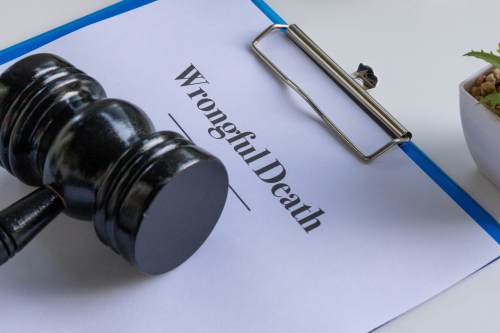
Losing a loved one in a fatal truck accident is one of the most devastating experiences a family can face. In addition to the emotional trauma, surviving family members may suddenly confront medical expenses, funeral costs, lost income, loss of companionship, insurance disputes, and difficult legal decisions. When a commercial truck or tractor-trailer is involved, the legal investigation can be especially complicated because multiple individuals and companies may share responsibility.
A wrongful death claim cannot undo what happened. However, it can provide financial compensation to surviving family members and hold responsible parties accountable when a death was caused by negligence or another wrongful act. In Illinois, these cases are governed primarily by the Illinois Wrongful Death Act, along with other statutes and common-law principles that may apply depending on the circumstances.
Families should understand what happens after a fatal truck accident, what evidence may be important, who may be responsible, what damages can potentially be recovered, and why it is important to preserve evidence quickly.
Fatal Truck Accidents Are a Serious Problem
Large commercial trucks can weigh many times more than passenger vehicles. The difference in size and weight can have catastrophic consequences when a tractor-trailer, semi-truck, delivery truck, or other large commercial vehicle collides with a passenger car.
Federal Motor Carrier Safety Administration data show the continuing scale of the problem. According to FMCSA’s current crash statistics, 5,475 people were killed in crashes involving large trucks in 2023, with more than 86,000 injuries reported. In 2024, the agency reported 4,831 fatalities and approximately 85,900 injuries associated with large-truck crashes.
Federal data also show that people outside the large truck account for a substantial portion of deaths in these crashes. A National Highway Traffic Safety Administration report found that in 2022, 5,936 people died in crashes involving large trucks, including 4,839 people in other vehicles and 672 nonoccupants.
These numbers represent real families dealing with permanent loss. When a fatal crash involves a commercial truck, determining exactly why the collision occurred can be critical to a wrongful death claim.
What Is a Wrongful Death Claim in Illinois?
Illinois’ Wrongful Death Act provides a cause of action when a person’s death is caused by a wrongful act, neglect, or default that would have allowed the person to bring a personal injury claim had they survived.
The statute provides that the person or company that would have been liable if the victim had survived may be liable for damages notwithstanding the victim’s death. A wrongful death case following a truck accident may therefore involve allegations such as:
- Truck driver negligence.
- Distracted driving.
- Fatigued or drowsy driving.
- Speeding or unsafe driving.
- Driving under the influence.
- Following too closely.
- Improper lane changes.
- Failure to yield.
- Improperly secured cargo.
- Mechanical defects.
- Inadequate truck maintenance.
- Negligent hiring or supervision.
- Violations of federal or Illinois trucking regulations.
The facts of each collision must be investigated independently. A police report may identify an apparent cause, but a wrongful death investigation can uncover additional evidence that was not immediately available after the crash.
Who Can Be Responsible for a Fatal Truck Accident?
One of the most important differences between an ordinary car accident and a commercial truck accident is the number of potentially responsible parties. The truck driver may be responsible for negligent conduct, but the driver may not be the only defendant. Potentially responsible parties can include:
- The trucking company.
- The truck owner.
- A motor carrier.
- A freight or shipping company.
- A logistics company.
- A company responsible for loading cargo.
- A maintenance or repair company.
- A manufacturer of defective truck components.
- Another driver or motorist.
- A government entity responsible for a dangerous roadway, in appropriate circumstances.
Determining who is legally responsible requires more than simply looking at the name on the truck. An attorney may need to investigate employment relationships, contracts, ownership records, maintenance responsibilities, dispatch records, and insurance coverage.
Truck Accident Investigations Can Be More Complicated
After a fatal truck crash, evidence can disappear quickly. Commercial trucking companies may possess extensive records that can help establish what happened. Depending on the circumstances, these may include driver qualification records, electronic logging device information, vehicle inspection records, maintenance records, dispatch information, GPS data, onboard electronic data, communications, and other documentation.
Investigators may also need to examine the physical truck and trailer. Important evidence may include:
- Event data recorder information.
- Electronic logging device records.
- Driver cell phone records.
- Dash-camera footage.
- Surveillance video.
- Vehicle inspection records.
- Maintenance records.
- Brake and tire condition.
- Cargo loading documentation.
- Bills of lading.
- Driver qualification records.
- Employment records.
- Driver training records.
- Drug and alcohol testing records.
- Dispatch and delivery records.
- Accident reconstruction evidence.
- Photographs and measurements from the crash scene.
A prompt investigation can be critical because some evidence may be retained only temporarily.
Why Electronic Trucking Records Matter
Commercial trucks increasingly generate significant amounts of electronic information. For example, electronic logging devices can provide information concerning a driver’s hours of service and driving activity. Other systems can contain information concerning speed, braking, vehicle movement, and other events.
If fatigue is suspected, investigators may need to determine whether the driver had sufficient off-duty time and whether the carrier complied with applicable hours-of-service requirements. A trucking company’s records may also help answer questions such as:
- How long had the driver been working?
- How long had the driver been operating the truck?
- Where was the truck before the collision?
- Was the driver making an unusually long delivery?
- Had the driver received required breaks?
- Was the driver properly trained?
- Had the truck been inspected?
- Were known mechanical problems repaired?
- Was the cargo properly loaded and secured?
These questions can become particularly important when the initial crash report does not tell the complete story.
What Damages Can Families Recover?
Under Illinois’ Wrongful Death Act, damages are intended to provide fair and just compensation for the pecuniary injuries resulting from the death, and the statute expressly permits consideration of grief, sorrow, and mental suffering. Depending on the circumstances, damages may include compensation associated with:
- Loss of financial support.
- Loss of services.
- Loss of companionship.
- Loss of society.
- Grief, sorrow, and mental suffering.
- Medical expenses associated with the fatal injury.
- Funeral and burial expenses.
The value of a wrongful death claim cannot be determined simply by adding funeral bills and lost wages. The economic and human consequences of losing a spouse, parent, or other close family member can be substantial.
For example, if the deceased person was the primary wage earner, the family may lose decades of expected income and financial support. If the victim was a parent of young children, the loss may also include the value of parental guidance, companionship, and household services. The specific damages available depend on the facts and applicable law.
How Are Wrongful Death Damages Distributed?
Illinois law provides that a wrongful death action is brought by the personal representative of the deceased person’s estate, with recovery generally benefiting the surviving spouse and next of kin. The statute also provides that damages are distributed among eligible beneficiaries based on their respective percentages of dependency, as determined by the court.
This means a family should not assume that a settlement is automatically divided equally among surviving relatives. The appropriate distribution can depend on:
- Whether the deceased was married.
- Whether the deceased had children.
- The age of surviving children.
- Financial dependency.
- The relationship between beneficiaries and the deceased.
- Other circumstances recognized under Illinois law.
An attorney can explain how these rules may apply to a particular family.
The Wrongful Death Claim and the Estate Are Not Always the Same
Another important issue is the distinction between a wrongful death claim and claims that survive the deceased person’s death. Illinois’ Probate Act provides that certain personal injury claims survive the person’s death.
This can matter when a victim survives the truck accident for a period of time before ultimately dying from the injuries. Depending on the facts, there may be claims associated with the injuries and losses experienced before death in addition to the wrongful death claim.
Because these claims can involve different legal rules and damages, families should have an attorney evaluate the circumstances rather than assuming there is only one possible claim.
How Long Does a Family Have to File a Wrongful Death Claim in Illinois?
Under the Illinois Wrongful Death Act, a wrongful death action generally must be commenced within two years after the person’s death, subject to statutory exceptions. The statute contains different provisions for certain circumstances, including deaths resulting from specified violent or criminal conduct.
Two years can sound like a long time when a death has just occurred. In practice, it can pass quickly. A truck accident investigation may require substantial work, including obtaining records, identifying potentially responsible parties, reviewing insurance coverage, consulting experts, and reconstructing the crash. Families should therefore avoid waiting until the deadline is approaching before seeking legal advice.
What Happens During a Wrongful Death Truck Accident Case?
Every case is different, but families can generally expect several stages.
Initial Investigation
The attorney gathers information about the crash, the deceased person, the trucking company, insurance coverage, witnesses, medical treatment, and financial losses.
Evidence Preservation
The legal team may send preservation demands to trucking companies and other parties to protect evidence that could be relevant to the case.
Accident Reconstruction
In serious truck crashes, accident reconstruction experts may analyze vehicle damage, skid marks, roadway evidence, event data, photographs, video, vehicle weights, speeds, and other evidence.
Liability Investigation
The investigation may expand beyond the driver to determine whether the trucking company, maintenance provider, cargo loader, manufacturer, or another party contributed to the crash.
Damages Analysis
The family and legal team work to identify financial and non-economic losses resulting from the death.
Insurance Negotiations
Commercial trucks often carry significant insurance coverage, but insurance companies may still dispute liability or the value of a claim. An attorney can handle communications and negotiations.
Litigation
If a fair settlement cannot be reached, the case may proceed to litigation. Discovery can require defendants to produce documents and answer questions under oath. Experts may be retained to testify about accident reconstruction, trucking practices, economics, medicine, and other issues.
Settlement or Trial
Many cases resolve through settlement, but a wrongful death attorney should prepare the case as though it may ultimately need to be presented to a jury.
What Should Families Do After a Fatal Truck Accident?
Families should focus first on their immediate needs and the needs of surviving family members. At the same time, preserving evidence should not be overlooked. Important steps may include:
- Obtain a copy of the police or crash report.
- Preserve photographs and videos.
- Identify witnesses.
- Keep medical and funeral records.
- Preserve information concerning the deceased person’s employment and income.
- Avoid posting details about the accident or potential lawsuit on social media.
- Avoid giving recorded statements to an opposing insurance company without legal advice.
- Do not sign a settlement or release without having it reviewed by an attorney.
- Contact an experienced Illinois wrongful death attorney promptly.
The trucking company and its insurer may begin investigating almost immediately. Families should have someone protecting their interests during that process.
Frequently Asked Questions About Fatal Truck Accident Wrongful Death Claims
Who can file a wrongful death lawsuit after a fatal truck accident in Illinois?
The Illinois Wrongful Death Act generally provides that the personal representative of the deceased person’s estate brings the action for the benefit of the surviving spouse and next of kin.
Can a trucking company be sued if its driver caused the accident?
Potentially, yes. Depending on the facts, a trucking company may face liability based on the driver’s conduct or its own negligence, such as negligent hiring, training, supervision, or maintenance.
What if the truck driver was not the employee of the trucking company?
The legal relationship between the driver and the company must be investigated. Independent-contractor arrangements do not automatically answer every question concerning liability.
How much is a wrongful death truck accident case worth?
There is no standard value. The potential recovery depends on liability, insurance coverage, the deceased person’s age and income, family relationships, financial dependency, the circumstances of the death, and other factors.
Can families recover compensation for grief and loss of companionship?
Illinois’ Wrongful Death Act expressly allows consideration of grief, sorrow, and mental suffering when determining fair and just compensation for eligible beneficiaries.
What if the trucking company says the driver was responsible, not the company?
That statement does not necessarily resolve the issue. A complete investigation should examine the driver’s relationship with the carrier and the company’s hiring, training, supervision, maintenance, and operational practices.
How long do we have to file a wrongful death lawsuit in Illinois?
The general deadline under the Illinois Wrongful Death Act is two years after death, although exceptions can apply. Families should obtain case-specific legal advice rather than relying solely on the general deadline.
Speak with the Compassionate Illinois Fatal Truck Accident Attorneys at John J. Malm & Associates
A fatal truck accident is not simply another traffic collision. The combination of enormous vehicles, complex federal and state regulations, commercial insurance policies, multiple potentially responsible parties, and extensive electronic evidence can make these cases significantly more complicated than ordinary automobile accidents.
John J. Malm understands the enormous responsibility involved in representing families after a wrongful death. As he explains: “Nothing can replace a loved one who has been taken from a family in a truck crash. Our responsibility is to uncover what happened, hold the responsible parties accountable, and fight to obtain the compensation the family is entitled to under Illinois law.”
If your loved one was killed in a truck accident, you do not have to face the trucking company, its insurance carrier, and its attorneys alone. John J. Malm & Associates represents families throughout Illinois in wrongful death and serious truck accident cases. Our attorneys can investigate the crash, preserve critical evidence, identify every potentially responsible party, calculate the family’s losses, and pursue a full and fair recovery. Contact John J. Malm & Associates today for a free consultation about your family’s wrongful death claim. The sooner an investigation begins, the better the opportunity to preserve the evidence needed to understand what happened and protect your family’s rights.