- Free Consultation: (630) 527-4177 Tap Here to Call Us

















Making an Injury Claim After an Unprotected Floor Opening Accident in Illinois


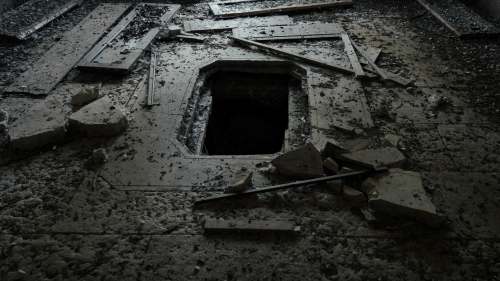
An unprotected floor opening can turn an ordinary workday, construction project, or visit to a commercial property into a life-changing accident. Openings in floors, uncovered stairwells, missing floor panels, elevator shafts, utility access holes, and unfinished construction areas create serious fall hazards. When property owners, contractors, construction companies, or other responsible parties fail to properly secure these openings, people can suffer devastating injuries, including broken bones, spinal cord damage, traumatic brain injuries, and even death.
Falls through unprotected floor openings are particularly dangerous because victims may have little or no opportunity to recognize the hazard before falling. A missing cover or inadequate barricade can expose someone to a drop of several feet or more, potentially resulting in permanent disabilities and substantial medical expenses.
In Illinois, individuals injured after falling through an unprotected floor opening may have grounds to pursue a personal injury claim against the parties responsible for creating, maintaining, or controlling the dangerous condition. Depending on the circumstances, a claim may involve premises liability, construction negligence, or other theories of negligence.
“When someone is seriously injured because a dangerous condition was left unprotected, the responsible parties must be held accountable. We believe injured individuals deserve answers, a thorough investigation, and an advocate who is prepared to fight for the compensation they need to move forward.” – John J. Malm, Naperville work injury attorney
How Do Unprotected Floor Opening Accidents Happen?
Floor openings are common in construction sites, industrial facilities, warehouses, commercial buildings, and properties undergoing renovations. Although some openings are necessary for building operations, they must be properly secured to prevent people from accidentally falling through them. An unprotected floor opening may involve:
- An uncovered hole created for plumbing, electrical wiring, or mechanical installations.
- An open stairwell or elevator shaft without adequate guardrails.
- A missing or improperly secured floor panel.
- A construction opening left exposed after workers remove flooring.
- An uncovered maintenance or utility access opening.
- A temporary opening created during demolition or renovation.
- A skylight or roof opening without appropriate fall protection.
- A loading dock or industrial floor opening without adequate barriers.
These accidents can happen when a worker is carrying materials, walking through a construction area, performing maintenance, delivering supplies, or simply moving through a building. In some situations, the opening is completely concealed by debris, poor lighting, temporary materials, or other objects. In others, the opening is visible but lacks appropriate warning signs, barriers, or protective covers.
A particularly dangerous situation occurs when construction workers remove a floor covering or guardrail to complete a particular task but fail to replace it or establish another effective safety measure.
Statistics Highlight the Dangers of Falls Through Floor Openings
Falls are a major source of occupational injuries and fatalities throughout the United States. The consequences of inadequate fall protection are especially serious in construction and industrial environments. According to the U.S. Bureau of Labor Statistics (BLS), there were 5,283 fatal work injuries in the United States in 2023. The BLS also reported 885 fatal occupational injuries involving falls, slips, and trips that year.
The 2023 BLS fatal injury data further identified 725 deaths involving falls to lower levels. These statistics demonstrate the potentially devastating consequences of failing to protect people from elevation-related hazards. The BLS also reported 90 fatal workplace incidents involving falls through surfaces or existing openings in its 2022 occupational fatality data. These incidents illustrate that openings in floors and other walking surfaces represent a distinct and potentially deadly category of workplace danger.
The Occupational Safety and Health Administration (OSHA) identifies unprotected sides, wall openings, and floor holes among the leading fall hazards encountered on construction sites. OSHA explains that these hazards can cause injuries ranging from sprains and concussions to fatal falls.
Who May Be Responsible for an Unprotected Floor Opening Accident?
Determining liability after a floor opening accident requires investigating who controlled the property, who created the opening, who was responsible for maintaining the area, and who had the authority to implement appropriate safety precautions. More than one party may share responsibility, including:
Property Owners and Property Managers
Property owners generally have responsibilities concerning the reasonable maintenance and safety of their premises. When an owner knows or should know about an uncovered floor opening and fails to take reasonable steps to protect visitors, workers, or other lawful entrants, the owner may face premises liability. For example, a commercial property owner could potentially be responsible when maintenance personnel leave an access opening uncovered in a frequently traveled area without warning signs or protective barriers.
General Contractors
General contractors often coordinate construction activities and may retain responsibility for certain jobsite safety measures. If a general contractor retains sufficient control over the relevant work or safety procedures and fails to exercise reasonable care, it may be liable for injuries resulting from an unprotected opening.
Subcontractors
A subcontractor may be responsible when its employees create a floor opening, remove a protective cover, or leave an opening unsecured after completing work. For example, an electrical contractor that cuts a hole through a floor for wiring may have a responsibility to take reasonable precautions to protect others from falling through the opening.
Construction Companies and Employers
Employers have workplace safety responsibilities under applicable OSHA regulations. Depending on the circumstances, an employer’s failure to provide appropriate fall protection, training, or safety procedures may contribute to an accident. However, an injured employee’s ability to pursue a personal injury lawsuit against an employer is generally limited by Illinois workers’ compensation law. A separate claim against a negligent third party may still be available.
Maintenance and Inspection Companies
A company hired to inspect, maintain, or repair a building may also bear responsibility if its negligent work creates or leaves an unprotected floor opening. An investigation should identify all parties involved rather than assuming that only the property owner or contractor can be held accountable.
OSHA Requirements for Protecting Floor Openings
OSHA has established specific regulations addressing floor openings and fall hazards in construction and general industry workplaces. For construction activities, OSHA’s regulation at 29 C.F.R. § 1926.501(b)(4) addresses holes in walking and working surfaces. Under this regulation:
- Employees must be protected from falling through holes, including skylights, that are more than six feet above lower levels through personal fall arrest systems, covers, or guardrail systems.
- Employees must be protected from tripping in or stepping into or through holes by covers.
- Employees must be protected from objects falling through holes by covers.
General industry workplaces are governed by different requirements under 29 C.F.R. § 1910.28. Under that regulation, employers must protect employees from falling through holes four feet or more above lower levels through appropriate covers, guardrails, travel restraint systems, or personal fall protection systems. Separate requirements address holes presenting tripping hazards. These regulations are important because they establish safety requirements for preventing foreseeable fall hazards.
An OSHA violation may provide important evidence when investigating a negligence claim. However, an OSHA violation does not automatically establish civil liability or guarantee compensation. The applicable legal duties, evidence, and circumstances of the accident must still be evaluated.
Common Injuries Caused by Falling Through an Unprotected Floor Opening
The severity of an injury often depends on the height of the fall, the surface below, the victim’s position during the fall, and whether the person strikes equipment, machinery, or other objects. Common injuries include:
- Traumatic brain injuries: A person falling through an opening may strike their head against the floor, structural beams, machinery, or concrete surfaces. These impacts can cause concussions, intracranial bleeding, and permanent cognitive impairments.
- Spinal cord and back injuries: Falls from significant heights can cause fractured vertebrae, herniated discs, spinal cord injuries, and paralysis.
- Broken bones: Victims frequently suffer fractures involving the wrists, arms, legs, ankles, ribs, hips, and pelvis.
- Internal injuries: Blunt-force trauma can damage internal organs, cause internal bleeding, and create potentially life-threatening complications.
- Neck and shoulder injuries: A victim may instinctively attempt to catch themselves during a fall, resulting in serious shoulder, neck, and upper-extremity injuries.
- Permanent disabilities: Some falls result in chronic pain, reduced mobility, permanent neurological damage, and an inability to return to the victim’s previous occupation.
In the most serious cases, an unprotected floor opening accident can result in death. When a fatal fall occurs because of another party’s negligence, eligible surviving family members may have a wrongful death claim under Illinois law.
How to Make an Injury Claim After an Unprotected Floor Opening Accident
Successfully pursuing an injury claim requires more than demonstrating that someone fell through an opening. An injured person generally must establish that a responsible party owed a legal duty, breached that duty, and caused injuries and resulting damages. The following steps can help protect an injured person’s legal rights:
1. Obtain Immediate Medical Attention
Medical treatment should be the first priority after falling through an unprotected floor opening. Even when injuries initially appear minor, falls from elevation can cause serious internal injuries, spinal trauma, and traumatic brain injuries that may not be immediately apparent. Medical documentation also creates an important record connecting the accident to the injuries. Individuals should:
- Seek emergency treatment when necessary.
- Follow physicians’ recommendations.
- Attend follow-up appointments.
- Complete prescribed physical therapy.
- Keep records of medications and medical expenses.
- Document continuing pain, limitations, and symptoms.
Delaying medical treatment can complicate recovery and give insurance companies an opportunity to question whether the accident caused the reported injuries.
2. Document the Accident Scene
Evidence from the accident scene can be critical to proving that an opening was inadequately protected. If possible, photographs and videos should document:
- The exact location and dimensions of the opening.
- The depth of the opening and the surface below.
- Missing or damaged floor covers.
- Missing guardrails or protective barriers.
- Warning signs, or the absence of warning signs.
- Lighting conditions and visibility.
- Nearby construction equipment and materials.
- The surrounding walking paths and work areas.
Photographs should be taken from multiple angles whenever possible. It is also important to identify witnesses who observed the opening before the accident or saw the fall occur. Because construction sites and commercial properties may quickly repair dangerous conditions after an accident, preserving evidence as early as possible is important.
3. Identify the Responsible Parties
One of the most important aspects of an unprotected floor opening claim is identifying everyone who may have contributed to the dangerous condition. This may require examining:
- Property ownership and management records.
- Construction contracts.
- Subcontractor agreements.
- Maintenance responsibilities.
- Jobsite safety plans.
- Inspection reports.
- Prior complaints about the opening.
- Communications concerning the removal or replacement of floor covers.
A property owner may argue that a contractor was responsible for the opening. A contractor may claim that a subcontractor created the hazard. A subcontractor may argue that another company controlled the work area. A thorough investigation can help determine which parties had responsibility for preventing the accident.
4. Preserve Important Records and Evidence
An injury claim may depend on documents and records that are not immediately available to the injured person. An attorney can investigate and seek relevant evidence, including:
- Incident and accident reports.
- OSHA inspection records.
- Safety inspection checklists.
- Construction schedules.
- Site plans and architectural drawings.
- Photographs and surveillance footage.
- Employee training records.
- Prior safety complaints.
- Maintenance and repair records.
- Witness statements.
- Medical records and billing statements.
Electronic evidence is particularly important because surveillance footage and other digital records may be overwritten or deleted. Prompt preservation requests can help prevent critical evidence from disappearing.
Can You File a Claim if the Floor Opening Was Visible?
One issue that frequently arises in Illinois premises liability cases is the open and obvious doctrine. Under Illinois law, property owners generally do not have a duty to protect visitors against conditions whose dangers are known or obvious. However, the doctrine is not an automatic defense to every premises liability claim.
Illinois courts recognize exceptions, including the distraction exception and the deliberate encounter exception. The distraction exception may apply when a property owner should reasonably anticipate that a visitor or worker may become distracted and fail to recognize or avoid an otherwise obvious hazard. The deliberate encounter exception may apply when a person has reason to encounter a known danger because the practical benefits of proceeding outweigh the apparent risks.
These principles are particularly relevant in construction settings, where workers may be required to carry materials, operate equipment, or perform tasks that demand their attention while working near floor openings.
What Compensation Can You Recover After a Floor Opening Accident?
An individual who establishes liability may be entitled to pursue compensation for economic and noneconomic damages. Depending on the injuries and circumstances, recoverable damages may include:
- Past and future medical expenses.
- Emergency transportation and hospitalization.
- Surgical procedures and rehabilitation.
- Physical and occupational therapy.
- Prescription medications and medical equipment.
- Lost wages.
- Reduced future earning capacity.
- Pain and suffering.
- Disability and disfigurement.
- Loss of normal life.
In particularly serious cases, future medical care and long-term assistance may represent a substantial portion of the claim. Calculating damages requires examining the full impact of the accident, including anticipated treatment, permanent limitations, and the effect of the injuries on the victim’s ability to work and participate in everyday activities.
What if You Were Injured While Working?
Many unprotected floor opening accidents occur on construction sites and industrial properties. When an employee is injured while performing job duties, workers’ compensation may provide benefits regardless of whether the employer was negligent. Illinois workers’ compensation benefits may include:
- Medical expenses related to the work injury.
- Temporary total disability benefits.
- Temporary partial disability benefits in qualifying circumstances.
- Permanent partial disability benefits.
- Permanent total disability benefits in qualifying circumstances.
However, workers’ compensation is not necessarily the only available source of recovery. If a negligent third party contributed to the accident, an injured employee may also have grounds to pursue a separate personal injury lawsuit.
For example, a construction worker who falls through an uncovered floor opening may have a workers’ compensation claim against their employer and a separate negligence claim against a general contractor, property owner, or subcontractor, depending on the facts. These claims involve different legal requirements and potential damages. An attorney can evaluate how they interact and address any workers’ compensation lien or reimbursement issues.
Frequently Asked Questions About Unprotected Floor Opening Accidents
Can I sue a property owner if I fall through an uncovered floor opening?
Potentially. If the property owner knew or should have known about the dangerous condition and failed to take reasonable precautions, you may have a premises liability claim. Liability depends on the circumstances, including control of the property, notice of the hazard, and applicable legal duties.
Can I sue a general contractor after falling through an unprotected floor opening?
Potentially. A general contractor may be liable if it retained sufficient control over relevant construction activities or safety procedures and negligently failed to protect people from the hazard. The specific contractual and operational responsibilities must be investigated.
What if another contractor created the opening?
The contractor responsible for creating or leaving the opening unsecured may be liable. Other parties may also share responsibility if they knew about the hazard or had a duty to protect people from it.
Can I file a claim if I was working at the construction site?
Yes, potentially. You may be entitled to workers’ compensation benefits and, when a negligent third party contributed to the accident, a separate personal injury claim.
What if I knew the opening was there?
Knowing about an opening does not automatically prevent you from recovering compensation. Illinois recognizes exceptions to the open and obvious doctrine, including circumstances involving distraction and deliberate encounters with dangerous conditions.
What if the opening was covered but the cover broke?
A defective, improperly secured, or inadequately supported cover may create a dangerous condition. The responsible parties may include the property owner, contractor, installer, manufacturer, or maintenance company, depending on what caused the failure.
What evidence is most important in a floor opening accident claim?
Photographs, surveillance footage, witness statements, incident reports, safety inspection records, construction documents, OSHA records, and medical documentation can all be important. Preserving evidence quickly is particularly important when the opening may be repaired shortly after the accident.
How much is an unprotected floor opening accident claim worth?
There is no standard settlement amount. Compensation depends on the severity of the injuries, medical expenses, lost income, future treatment needs, permanent disabilities, available insurance coverage, and the strength of the liability evidence.
Should I speak with an attorney before accepting an insurance settlement?
Yes, it is generally advisable to understand the full extent of your injuries and potential future damages before accepting a settlement. Once a settlement and release are finalized, you may lose the ability to pursue additional compensation for the same accident.
Contact the Experienced Illinois Personal Injury Lawyers at John J. Malm & Associates After an Unprotected Floor Opening Accident
An unprotected floor opening should never be treated as an unavoidable workplace or property hazard. Property owners, contractors, construction companies, and other responsible parties must take reasonable precautions to protect people from foreseeable fall hazards. When they fail to do so, the consequences can be devastating for injured individuals and their families.
At John J. Malm & Associates, we understand the complex liability issues that can arise after serious construction accidents and premises liability injuries. Our attorneys have over 90 years of combined litigation experience and are committed to holding negligent parties accountable when their failures cause preventable injuries. We investigate dangerous property conditions, identify potentially responsible parties, preserve critical evidence, and pursue compensation for the full extent of our clients’ losses.
If you or someone you love has suffered injuries after falling through an uncovered floor opening, an unprotected stairwell, or another dangerous opening in a building or construction site, you should not have to bear the financial consequences of someone else’s negligence. Contact John J. Malm & Associates today for a free consultation. Our Illinois work injury attorneys are prepared to investigate your accident, protect your legal rights, and pursue the compensation you deserve.