- Free Consultation: (630) 527-4177 Tap Here to Call Us













What Happens When You Reject an Insurance Settlement Offer After a Car Accident


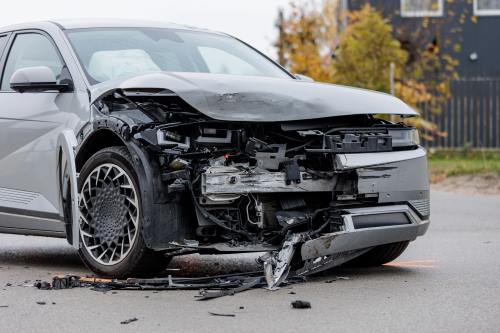
When you’re injured in a car accident, one of the most important decisions you’ll face is whether to accept or reject a settlement offer from an insurance company. Insurers often make an initial offer early in the claims process, but that amount may not fairly compensate you for your medical bills, lost wages, pain and suffering, or future care needs. Understanding what happens when you reject an insurance settlement offer, including the legal and financial implications, can help you decide your best course of action.
Why Insurance Companies Make Low Initial Settlement Offers
Insurance companies are businesses that seek to minimize their financial exposure. In many car accident claims, the first settlement offer you receive is often what adjusters consider the baseline or low-end valuation of your claim. Early offers frequently reflect a narrow view of compensable damages, focusing primarily on documented medical bills and easily measurable economic losses rather than the full impact of your injuries.
Initial offers may:
- Exclude or undervalue non-economic damages such as the impact on your activities of daily living, pain and suffering, and emotional distress.
- Not account for future medical care or long-term disability.
- Be designed to close the claim quickly and cheaply for the insurer’s benefit.
One of the first reasons many claimants reject an offer is that it simply doesn’t cover the full magnitude of their losses.
Immediate Outcome: Negotiations Continue
Rejecting an initial settlement offer does not close your case or end the claims process. In fact, in most circumstances, rejecting a lowball offer is simply the first step in continued negotiations with the insurer. When you say “no” to an offer, you send a signal that you believe the claim is worth more than what the insurer proposed.
After rejection:
- The insurer may return with a revised offer that is higher, sometimes substantially so.
- Your attorney can prepare and send a formal demand letter outlining why the previous offer was inadequate and presenting documentation that supports a higher valuation (medical records, lost wage statements, expert reports).
- Negotiations can involve multiple rounds of counteroffers as both sides work toward a fair settlement.
In many cases, settlement negotiations continue for weeks or months before any formal lawsuit is filed or resolved.
Extended Timeline and Additional Documentation
When you reject an offer, the timeline for final resolution typically extends longer than if you had accepted the first offer. Reviews, reassessments, and new evidence can push negotiations forward. Insurance companies often need more time to reassess liability, damages, and the total case value.
Expect that:
- The insurer may request additional documentation such as updated medical records, bills, and physician statements.
- Adjusters may dispute certain injuries or claim severity, creating a need for expert testimony or specialized reports.
- The insurer might delay communication to see if you weaken your negotiating position.
While this extended process can be frustrating, it also often yields higher settlements that more accurately reflect your true damages.
Alternative Dispute Resolution (ADR) Before Litigation
If settlement negotiations stall after rejection, both sides have options that fall between settlement and trial. Alternative dispute resolution (ADR) methods such as mediation and arbitration can offer a less formal and often more efficient way to resolve disputes.
Benefits of ADR:
- Mediation involves a neutral third party who facilitates discussion and compromise.
- Arbitration allows a neutral arbitrator to render a decision that may be binding or non-binding depending on the agreement.
ADR can be particularly useful when parties are close to agreement but need structured negotiation or when litigation is undesirable due to cost and time commitments.
Filing a Lawsuit
If negotiation and ADR do not produce a fair settlement, your attorney may recommend filing a personal injury lawsuit against the at-fault party. Filing a lawsuit:
- Preserves your legal rights to recover damages.
- Allows you to engage in a discovery process, where evidence is formally exchanged.
- Demonstrates commitment to the case, which often motivates the insurer to offer a better settlement.
However, it’s important to understand that going to trial is rare. Statistically, only about 4% to 5% of personal injury cases, including car accident claims, ever go to trial. The overwhelming majority, around 95% to 97%, are resolved through settlements before trial becomes necessary.
Financial and Legal Impacts of Rejecting an Offer
Rejecting an initial settlement offer impacts both your finances and the legal process in several ways:
Potential Benefits
- You retain leverage in negotiations, which can lead to a higher payout.
- You avoid accepting an offer that might not cover long-term care or future needs.
- You maintain your right to pursue full compensation through litigation or ADR.
Possible Downsides
- The process can take longer and may involve increased legal costs if a lawsuit becomes necessary.
- You might experience short-term financial strain if your accident-related expenses continue to mount while negotiations proceed.
- Insurance companies may engage in delay tactics or dispute the severity of your injuries.
Settlement Value and Statistics
Understanding the typical value of settlement offers can help you evaluate whether a particular offer is fair.
- The median personal injury settlement for car accident injuries is around $20,000.
- The average settlement range for personal injury claims generally falls between $10,000 and $50,000.
- Most personal injury claims are resolved within 6 to 18 months.
These figures reflect averages, and your individual case could differ substantially based on injury severity, liability issues, and state law.
The Role of Legal Representation
One of the most significant determinants of how negotiations unfold after rejecting an offer is whether you have experienced legal counsel. Study after study shows that injured individuals represented by skilled personal injury attorneys tend to receive higher settlements than those who attempt to negotiate on their own.
With legal representation:
- Negotiations are handled by professionals who understand both insurance company tactics and legal valuation.
- Demand letters and evidence presentations are crafted to demonstrate true value.
- Attorneys prepare the case with future needs in mind, not just current expenses.
As John J. Malm, trusted Naperville personal injury attorney, explains:
“Insurance companies often open with lowball offers because they know many claimants need quick money. Rejecting an inadequate offer and presenting a well-documented demand gives you leverage to pursue the full value your claim deserves.”
This strategic backing can make a substantial difference in case outcome.
Common Insurance Company Tactics After Rejection
Insurance adjusters are trained negotiators and may use certain tactics to prompt early acceptance or weaken a claimant’s position. After you reject an offer, be aware that insurers may:
- Delay responses or slow negotiation progress.
- Request repeated documentation to complicate your claim.
- Dispute injury severity or argue symptoms are unrelated.
Your attorney will prepare for these tactics by compiling strong evidence, shielding you from missteps that could harm your case.
Frequently Asked Questions about Rejecting Insurance Offers After a Crash
Q: Can I reject a settlement offer more than once?
A: Yes. After rejecting an initial offer, you can propose a counteroffer and engage in multiple rounds of negotiation until both sides reach common ground or until legal action becomes necessary.
Q: Does rejecting an offer mean my case goes to trial?
A: No. Rejecting a settlement offer does not automatically mean your case will go to trial. Most cases continue negotiating or enter ADR before litigation, and only a small percentage ultimately go to trial.
Q: Can the insurance company withdraw their offer?
A: Yes. Until a settlement agreement is signed by all parties, the insurer can rescind an offer. This is one reason your attorney will move carefully when negotiating.
Q: Will rejecting an offer delay my payment?
A: Yes. Rejecting an offer means you will likely wait longer for compensation, as negotiations and possible litigation can extend the timeline.
John J. Malm & Associates: Top-Rated Illinois Injury Attorneys Protecting Your Rights After a Car Accident
Rejecting an insurance settlement offer after a car accident is a significant decision that sets the stage for further negotiation, documentation, and possibly legal action. While it can lengthen the claims process, rejecting a lowball offer often leads to better compensation that more fully reflects your injuries, losses, and future needs. With the majority of claims settling before trial, there is rarely an immediate need to fear litigation, but a thoughtful and well-documented rejection, supported by an experienced Illinois personal injury attorney, gives you the leverage you need to seek fair compensation.
If you or a loved one has received a settlement offer that doesn’t cover the true cost of your injuries, do not simply accept it without professional review. Contact our firm today for a free consultation so we can help you evaluate your offer, explain your legal options, and fight for the full compensation you deserve. Your recovery, both physical and financial, should not be left to chance. Let our experienced team advocate for your rights and take the pressure off your shoulders.