- Free Consultation: (630) 527-4177 Tap Here to Call Us















Are Punitive Damages Allowed in Illinois DUI Civil Cases?


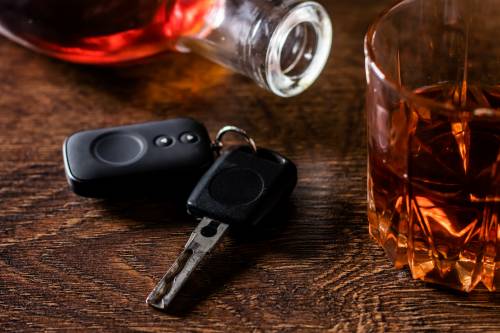
When a drunk driver causes a serious accident, the consequences can be devastating. Victims may suffer traumatic brain injuries, spinal cord injuries, broken bones, permanent disabilities, or the loss of a loved one. While a criminal DUI case can result in fines, license suspension, probation, or jail time, an injured victim may also have the right to pursue a separate civil lawsuit against the intoxicated driver. One question frequently asked by victims and their families is: Are punitive damages allowed in Illinois DUI civil cases?
The answer is that punitive damages may be available in an Illinois civil lawsuit arising from a drunk driving accident when the evidence establishes the type of willful, wanton, or reckless conduct required under Illinois law. Punitive damages are different from compensatory damages because they are designed not simply to compensate an injured victim, but to punish particularly egregious conduct and deter similar misconduct in the future.
Every DUI accident must be evaluated based on its specific facts. A driver’s intoxication, blood alcohol concentration, prior conduct, driving behavior, and other circumstances surrounding the crash can all be important when determining whether a punitive damages claim may be appropriate.
“Getting behind the wheel after drinking is not an unavoidable accident. It is a decision, and when that decision destroys another person’s health, future, or family, the civil justice system can play an important role in holding the responsible driver accountable.” — John J. Malm, Naperville car accident attorney
The Serious Problem of Drunk Driving in Illinois
Despite decades of public education and increasingly strict DUI laws, drunk driving continues to cause preventable injuries and deaths throughout Illinois and the United States. According to the Illinois Secretary of State’s 2025 Illinois DUI Fact Book, 288 people were killed in alcohol-related crashes in Illinois during 2024, accounting for approximately 23% of the state’s crash fatalities. Illinois also recorded 21,245 DUI arrests during the year.
The Illinois Department of Transportation reported that 1,085 fatal crashes occurred in Illinois in 2024 and that approximately 20.4% involved alcohol. A total of 1,178 people were killed in Illinois motor vehicle crashes that year.
National statistics are equally troubling. According to the National Highway Traffic Safety Administration, 11,904 people were killed in alcohol-impaired driving crashes in the United States in 2024. That amounts to approximately 32 people killed every day, or roughly one person every 44 minutes. These statistics demonstrate why drunk driving is treated so seriously under both criminal and civil law.
What Are Punitive Damages?
Most damages awarded in an Illinois personal injury lawsuit are compensatory damages. Their purpose is to compensate an injured person for losses caused by the defendant’s conduct. Compensatory damages may include:
- Medical expenses
- Future medical treatment
- Lost income
- Loss of future earning capacity
- Pain and suffering
- Disability or disfigurement
- Emotional distress
- Loss of a normal life
- Other legally recognized losses
Punitive damages serve a different purpose. Under Illinois law, punitive or exemplary damages are intended to punish a defendant for particularly egregious misconduct and to discourage the defendant and others from engaging in similar conduct in the future. The Illinois Supreme Court has explained that punitive damages are not intended as compensation for the injured plaintiff but instead serve the goals of punishment and deterrence. Because punitive damages are penal in nature, they are not awarded in every personal injury case. Ordinary negligence generally is not enough.
Are Punitive Damages Available After a DUI Accident in Illinois?
Illinois law recognizes that punitive damages may be appropriate when a defendant’s conduct rises beyond ordinary negligence and demonstrates a willful and wanton disregard for the safety and rights of others.
The Illinois Supreme Court has explained that punitive damages may be awarded for conduct involving fraud, actual malice, deliberate violence, oppression, willful conduct, or gross negligence demonstrating a wanton disregard for the rights of others. The court has also emphasized that mere negligence, mistakes, or errors in judgment generally do not justify punitive damages.
A DUI accident may involve facts that support a claim for punitive damages because driving while intoxicated can involve a conscious decision to engage in highly dangerous conduct despite the known risk of catastrophic injury or death.
However, a DUI arrest or criminal conviction does not automatically guarantee that punitive damages will be awarded in a civil case. The evidence must still establish the legal basis for punitive damages under the facts of the individual case.
Why Drunk Driving Can Support a Punitive Damages Claim
Driving is an activity that requires judgment, coordination, reaction time, and constant attention. Alcohol impairs each of these abilities. The National Highway Traffic Safety Administration explains that alcohol affects critical driving abilities, including judgment, reasoning, muscle coordination, visual functions, divided attention, reaction time, and decision-making. NHTSA also reports that crash risk increases exponentially at a blood alcohol concentration of .08.
A person who chooses to consume alcohol and then operate a vehicle may be consciously exposing others to a significant and well-known danger. The facts that may strengthen a punitive damages claim can include:
- A very high blood alcohol concentration
- Excessive speeding
- Reckless or aggressive driving
- Driving the wrong way
- Running red lights or stop signs
- Prior DUI convictions or arrests
- Prior alcohol-related driving incidents
- Ignoring warnings not to drive
- Leaving a bar, party, or event after becoming visibly intoxicated
- Driving with a suspended or revoked license
- Causing a crash while simultaneously engaging in other dangerous behavior
No single factor necessarily determines whether punitive damages are appropriate. Instead, an experienced Illinois personal injury attorney must carefully investigate the complete circumstances surrounding the collision.
What Is Willful and Wanton Conduct Under Illinois Law?
Illinois courts distinguish between ordinary negligence and conduct that rises to the level of willful and wanton misconduct. Ordinary negligence may involve a driver who makes a careless mistake, fails to pay attention, or violates a traffic law without consciously disregarding a serious danger.
Willful and wanton conduct involves a much greater degree of culpability. The Illinois Supreme Court has described it as conduct demonstrating an actual or deliberate intention to cause harm or an utter indifference to, or conscious disregard for, the safety of others.
In the punitive damages context, Illinois courts have explained that the defendant’s conduct must involve something more than simple negligence. The conduct may be sufficiently outrageous because of an evil motive or reckless indifference to the rights and safety of others.
This distinction can be particularly important in DUI cases. An attorney representing an injured victim may investigate not only whether the driver was intoxicated but also what the driver knew, what decisions were made before getting behind the wheel, and what occurred immediately before the crash.
Is a Criminal DUI Conviction Required?
No. A civil personal injury claim and a criminal DUI case are separate legal matters. The government may prosecute a driver criminally for DUI, while an injured victim may pursue a civil claim seeking compensation for injuries and losses.
The standards of proof also differ. In a criminal case, the government generally must prove guilt beyond a reasonable doubt. In a civil personal injury case, the applicable standards and issues are different.
A criminal conviction may provide important evidence in some civil cases, but the absence of a conviction does not necessarily prevent an injured person from pursuing a personal injury claim. Similarly, the existence of a DUI charge does not automatically establish that punitive damages will be awarded. The civil case must be evaluated based on the available evidence and applicable Illinois law.
What Evidence Can Help Support a Punitive Damages Claim?
Prompt investigation is often critical after a serious DUI accident. Important evidence can disappear quickly, particularly when a case involves surveillance footage, vehicle data, eyewitness testimony, or electronic records. Evidence that may be relevant includes:
- Police reports
- DUI arrest records
- Breath, blood, or urine test results
- Toxicology reports
- Field sobriety test evidence
- Body camera and dash camera footage
- Surveillance video
- Witness statements
- Vehicle event data recorder information
- Cellphone records
- Bar or restaurant records when legally relevant
- Social media evidence
- Prior driving records when admissible and relevant
- Accident reconstruction evidence
An attorney may also work with accident reconstruction experts, toxicologists, medical professionals, and other experts to establish how the collision occurred and the full extent of the victim’s injuries.
Can Punitive Damages Be Included in the Original Illinois Lawsuit?
Illinois has specific procedural requirements concerning the pleading of punitive damages in certain personal injury and property damage cases. Illinois law provides a procedure requiring a plaintiff seeking punitive damages in applicable cases to obtain permission to amend the complaint after making the required showing to the court. The plaintiff must demonstrate a reasonable likelihood of proving facts at trial sufficient to support an award of punitive damages before the claim can proceed in the manner required by the statute.
This means that pursuing punitive damages is not simply a matter of adding additional language to a lawsuit. A lawyer must investigate the facts, develop the evidence, and present a legally sufficient basis for seeking punitive damages.
How Much Are Punitive Damages Worth in an Illinois DUI Case?
There is no automatic formula for determining the amount of punitive damages in a DUI civil case. The amount, if punitive damages are legally available and ultimately awarded, can depend on numerous factors, including:
- The nature and severity of the defendant’s misconduct
- The degree of the defendant’s intoxication
- Whether other reckless conduct was involved
- The danger created by the defendant
- The extent to which punishment and deterrence are appropriate
- The facts and circumstances of the individual case
- Applicable statutory and constitutional limitations
Illinois law and case law concerning punitive damages have evolved over time, and punitive damage statutes and limitations must be carefully evaluated in light of applicable constitutional decisions and the specific cause of action involved. For that reason, victims should not rely on a simple multiplier or assume that punitive damages are capped at a particular amount without obtaining a current legal analysis of their specific case.
Are Punitive Damages Covered by Insurance?
Insurance coverage for punitive damages can involve complicated legal and policy issues. A driver may have automobile liability insurance that covers compensatory damages arising from an accident, but insurance coverage for punitive damages can raise separate questions involving the insurance policy, Illinois law, public policy, and the particular facts of the case.
This issue becomes especially important in serious injury and wrongful death cases. An attorney should investigate all potentially available sources of recovery, including:
- The at-fault driver’s automobile insurance
- Umbrella insurance coverage
- Uninsured or underinsured motorist coverage
- Employer or commercial coverage when applicable
- Other potentially responsible parties
- Third-party claims permitted under Illinois law
A thorough investigation is necessary to determine what insurance coverage and other assets may be available.
Can the Victim Still Recover Compensation Without Punitive Damages?
Absolutely. Even if punitive damages are not available or are not ultimately awarded, an injured victim may still be entitled to substantial compensatory damages. For example, a seriously injured person may seek compensation for:
- Emergency medical treatment
- Hospitalization
- Surgery
- Rehabilitation
- Physical therapy
- Prescription medication
- Future medical care
- Lost wages
- Reduced earning capacity
- Pain and suffering
- Permanent disability
- Disfigurement
- Loss of a normal life
When a DUI accident results in a fatality, surviving family members may also have legal claims under Illinois law. The availability and value of any claim depend on the facts of the case and should be reviewed by an experienced Illinois injury lawyer as soon as possible.
Frequently Asked Questions About Punitive Damages in Illinois DUI Cases
Can I sue a drunk driver for punitive damages in Illinois?
You may be able to seek punitive damages if the facts of the case support the heightened level of misconduct required under Illinois law. DUI alone should not be viewed as an automatic guarantee of punitive damages, and the circumstances surrounding the driver’s conduct should be carefully investigated.
Do I need a DUI conviction before filing a civil lawsuit?
No. A civil injury claim is separate from a criminal DUI prosecution. A criminal case may provide important evidence, but an injured person may have a civil claim even when the criminal matter is unresolved or does not result in a conviction.
What is the difference between compensatory and punitive damages?
Compensatory damages are intended to compensate the injured victim for losses such as medical bills, lost income, pain and suffering, and disability. Punitive damages are intended primarily to punish particularly egregious conduct and deter similar conduct.
Does every drunk driving accident qualify for punitive damages?
No. Punitive damages are not awarded automatically. The specific evidence must support a finding that the defendant’s conduct meets Illinois’ requirements for punitive damages.
Can punitive damages be awarded in a wrongful death case involving a drunk driver?
Potential claims and damages in a fatal DUI accident depend on the facts, the legal theories involved, and applicable Illinois statutes. A wrongful death case involving an intoxicated driver should be evaluated promptly by an experienced attorney.
What should I do after being injured by a drunk driver?
Seek medical attention, report the accident, preserve available evidence, avoid discussing fault with insurance representatives before understanding your rights, and contact an experienced Illinois personal injury attorney as soon as possible.
Contact the Top Illinois Injury Attorneys at John J. Malm & Associates After an Illinois DUI Accident
A drunk driving accident can change a victim’s life in seconds. Serious injuries may require surgery, months of rehabilitation, ongoing medical care, and time away from work. In the most tragic cases, a family may be left grieving the loss of someone they love because another driver made the reckless decision to drive while impaired.
At John J. Malm & Associates, our Illinois personal injury attorneys understand that a DUI accident requires a thorough and aggressive investigation. We can examine the evidence, identify all potentially responsible parties, evaluate whether punitive damages may be appropriate, and fight to pursue the full compensation available under Illinois law.
Our trial-ready attorneys bring more than 95 years of combined litigation experience to representing injured clients and their families. If you or someone you love has been injured by a drunk driver in Illinois, contact John J. Malm & Associates today for a free consultation and learn how we can help you pursue accountability and justice.