- Free Consultation: (630) 527-4177 Tap Here to Call Us













The Most Common Types of Grocery Store Slip and Fall Accidents


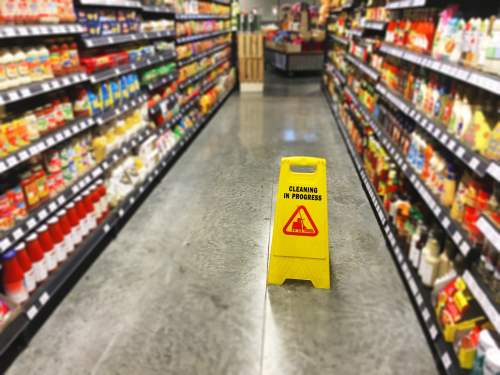
Grocery stores are places where people should be able to shop for food and household necessities without worrying about dangerous conditions underfoot. Unfortunately, spilled liquids, leaking refrigeration units, fallen produce, damaged flooring, and other hazards can turn an ordinary shopping trip into a serious accident. When grocery store employees fail to identify and address these dangers, customers may suffer painful injuries that require emergency treatment, surgery, rehabilitation, and months of recovery.
For injured shoppers in Illinois, understanding the most common types of grocery store slip and fall accidents can help explain how these incidents happen, who may be responsible, and what steps to take after an injury. Grocery stores have a responsibility to take reasonable measures to maintain safe premises for their customers. When a hazardous condition causes a preventable fall, the injured shopper may have grounds to pursue compensation.
At John J. Malm & Associates, our Illinois personal injury attorneys understand how a seemingly minor fall can lead to substantial medical expenses, lost income, and lasting physical limitations. This article examines common grocery store fall hazards, relevant safety statistics, Illinois premises liability law, and the evidence that may help establish responsibility for an accident.
“ A grocery store should take reasonable steps to protect its customers from preventable hazards. When a dangerous condition is ignored and someone suffers a serious injury, it is important to investigate what happened and hold the responsible parties accountable.” — John J. Malm, Naperville slip and fall accident attorney
Statistics on Slip and Fall Accidents and Injuries
Falls are a significant public health concern throughout the United States. Although national statistics do not isolate all grocery store slip and fall incidents, broader fall injury data demonstrate the potential seriousness of these accidents. According to the Centers for Disease Control and Prevention (CDC), more than one in four adults aged 65 and older reports falling each year. The CDC also reports approximately 4.5 million emergency department visits annually for falls among older adults. Fall injuries can include fractures, traumatic brain injuries, and injuries that interfere with a person’s ability to live independently.
Other relevant statistics include:
- Falls are a major source of injury among older adults. The CDC identifies falls as the leading cause of injury for adults aged 65 and older.
- Falls can cause serious fractures. The CDC reports that nearly 319,000 older adults are hospitalized for hip fractures each year, with falls responsible for the overwhelming majority of hip fractures.
- Retail workplaces experience substantial fall risks. The CDC’s National Institute for Occupational Safety and Health identifies wholesale and retail industries among the sectors experiencing high numbers of nonfatal fall injuries.
- Falls can result in long-term consequences. Depending on the circumstances, a fall may cause chronic pain, reduced mobility, traumatic brain injury, or a permanent disability.
These figures are not grocery-store-specific incident counts. However, they illustrate why stores should take floor maintenance, spill response, housekeeping, and hazard inspections seriously. A wet patch of flooring or an overlooked piece of produce can have consequences far beyond a bruised knee.
1. Slipping on Wet Floors and Spilled Liquids
Wet floors are among the most recognizable hazards in grocery stores. Customers may encounter spilled water, melted ice, leaking containers, cleaning solution, or liquids that have escaped from damaged packaging. Even a thin layer of liquid can reduce traction and cause a shopper’s foot to slide unexpectedly.
These hazards can develop throughout a store, including in beverage aisles, refrigerated sections, freezer areas, checkout lanes, and entrances where customers track in rain or snow. Common causes of wet-floor accidents include:
- Spilled milk, juice, soda, or bottled water.
- Melted ice from seafood, meat, or frozen-food displays.
- Water tracked inside during rainstorms or winter weather.
- Floors that remain wet after cleaning.
- Leaks from overhead pipes, refrigeration equipment, or other fixtures.
- Spills that remain unattended because employees do not notice them or fail to respond promptly.
A grocery store may need to place appropriate warning signs, isolate an affected area, clean the spill, and dry the floor. A warning sign alone may not be sufficient if the dangerous condition remains unaddressed for an unreasonable period. The circumstances matter. For example, a store may face questions about whether employees knew of a spill, whether reasonable inspection procedures would have discovered it, and how long the hazard existed before the customer fell.
2. Slipping on Fallen Fruits and Vegetables
Produce departments are another common source of slip and fall hazards. Grapes, berries, lettuce, leafy greens, and other produce can fall from displays or shopping carts and become difficult to see against the floor. Some produce items are particularly slippery when crushed underfoot. A shopper who steps on a grape or piece of wet lettuce may suddenly lose traction, even when walking at an ordinary pace. Contributing conditions can include:
- Produce scattered around display tables.
- Fruits or vegetables dropped by customers.
- Damaged produce containers that leak juice or water.
- Excess water from produce misting systems.
- Debris accumulating beneath display racks.
- Inadequate cleaning and inspection of high-traffic produce aisles.
Produce departments may require frequent monitoring because products are handled throughout the day and can fall without employees immediately noticing. Stores should use reasonable inspection and cleanup practices appropriate to the conditions in their aisles. When a shopper falls on produce, evidence showing where the item was located, whether it had been crushed or stepped on, and whether employees had an opportunity to discover the hazard may become important in determining liability.
3. Falls Near Refrigerated and Frozen Food Displays
Refrigerated and frozen-food sections can present several hazards at once. Refrigeration equipment may leak water, condensation can collect on nearby surfaces, and ice may accumulate around freezers or display cases. A customer walking through a refrigerated aisle may not notice a small puddle, especially when the flooring is reflective or the lighting makes the liquid difficult to distinguish from the surrounding surface. Potential hazards include:
- Leaking refrigerator or freezer units.
- Condensation dripping onto the floor.
- Meltwater accumulating around frozen-food displays.
- Ice forming near equipment or cold-storage areas.
- Defective drainage systems.
- Floors that remain wet after equipment maintenance.
Grocery stores should address recurring leaks rather than treating each puddle as an isolated event. If a refrigeration unit repeatedly leaks in the same location, reasonable maintenance and inspection procedures may require investigating and correcting the underlying problem. A store’s knowledge of a recurring condition can be important in a premises liability claim. Maintenance records, inspection logs, and employee reports may help establish whether the business knew or should have known about the hazard.
4. Tripping Over Shopping Carts, Pallets, and Merchandise
Not every grocery store fall is caused by slipping. Customers may trip over objects left in aisles or walkways, including improperly positioned shopping carts, stockroom equipment, cardboard boxes, and merchandise waiting to be shelved. These obstructions can be particularly dangerous in narrow aisles or crowded areas where customers must look at shelves, navigate around other shoppers, or push a cart while walking. Common trip hazards include:
- Boxes and merchandise left in customer walkways.
- Stocking carts or equipment blocking an aisle.
- Wooden pallets protruding into walking areas.
- Shopping carts abandoned in inconvenient locations.
- Loose packaging and plastic wrap.
- Products that have fallen from shelves.
Retail employees frequently need to replenish merchandise, but stocking activities should be conducted with reasonable attention to customer safety. Equipment and supplies should not create unnecessary obstructions, and hazards should be removed or appropriately controlled.
A fall caused by an obstruction may support a premises liability claim if the store failed to use reasonable care under the circumstances. Evidence of the obstruction’s location, visibility, and duration can help clarify what happened.
5. Uneven, Damaged, or Poorly Maintained Flooring
Grocery stores experience heavy foot traffic, frequent deliveries, and constant movement of carts and stocking equipment. Over time, these activities can contribute to damaged flooring or reveal problems with existing surfaces. A shopper may catch a foot on a raised tile, loose mat, broken floor section, or uneven transition between different flooring materials. Even a relatively small defect can cause a serious fall if it disrupts a person’s stride. Potential flooring hazards include:
- Cracked or broken tiles.
- Loose flooring materials.
- Raised edges or uneven transitions.
- Worn or torn entrance mats.
- Damaged floor coverings.
- Deteriorated thresholds and expansion joints.
The legal significance of a flooring defect depends on factors such as its size, location, visibility, and the surrounding circumstances. A store may be expected to inspect its premises, repair dangerous defects within a reasonable time, and take appropriate precautions when immediate repairs are not possible. Photographs showing the condition of the floor can be particularly useful because a store may repair the defect soon after an accident. If possible, preserve images of the area before the condition changes.
6. Slippery Floors After Cleaning
Cleaning is necessary to maintain sanitary grocery store conditions, but the process can temporarily create dangerous walking surfaces if not managed properly. Customers may encounter wet floors after employees mop an aisle, clean up a spill, or perform scheduled maintenance. Problems can arise when a floor remains slippery, the affected area is not adequately marked, or shoppers are directed through a wet section without a safe alternative. Potential contributing factors include:
- Mopping without appropriate warning signs.
- Cleaning solutions that leave a slippery residue.
- Allowing customers to enter an area before it is dry.
- Failing to use barriers when a walkway is temporarily unsafe.
- Leaving wet cleaning equipment or supplies in an aisle.
A warning sign can help alert customers to a hazard, but the adequacy of the store’s response depends on the specific circumstances. The placement and visibility of the sign, the size of the wet area, and whether a reasonably safe route remained available may all be relevant.
7. Falls at Store Entrances and Exits
Entrances and exits can become slippery when rain, snow, or ice is carried inside on customers’ shoes, shopping carts, and umbrellas. During Illinois winters, melting snow and ice can create puddles that accumulate around doorways. Outdoor walkways and parking-lot approaches may also become hazardous because of untreated ice, uneven pavement, or poor drainage. Common entrance-related hazards include:
- Rainwater accumulating on hard flooring.
- Snow and slush melting near doorways.
- Ice on exterior sidewalks or ramps.
- Wet or curled entrance mats.
- Water pooling because of inadequate drainage.
- Abrupt transitions between outdoor pavement and indoor flooring.
Stores should take reasonable precautions suited to the weather and the conditions on their premises. Depending on the situation, this may involve inspecting entryways, maintaining appropriate mats, removing accumulated water, and addressing outdoor hazards.
Illinois law also has specific rules concerning certain natural accumulations of snow and ice. Whether a property owner can be held liable depends on the nature of the condition, the owner’s conduct, and the applicable legal principles.
8. Poor Lighting and Hidden Hazards
Lighting problems can make other grocery store hazards harder to detect. A customer may have difficulty seeing spilled liquids, dropped produce, changes in floor height, or objects obstructing an aisle when the lighting is inadequate. Potential problems include burned-out bulbs, poorly illuminated corners, shadows around display cases, and lighting that creates glare on polished flooring.
Poor lighting may not directly cause every fall, but it can contribute to an unsafe environment by making hazards less visible. When investigating a fall, it may be important to consider whether a customer had a reasonable opportunity to see and avoid the condition.
What Injuries Can Result From a Grocery Store Slip and Fall?
The severity of a fall depends on the surface, the person’s movement, the point of impact, and other circumstances. Some people experience temporary soreness, while others suffer injuries requiring extensive medical treatment. Common injuries include:
- Broken bones: Wrist, arm, ankle, leg, and hip fractures can occur when a person attempts to break a fall or lands heavily.
- Head injuries: A fall may cause a concussion, traumatic brain injury, or other serious head trauma.
- Back and spinal injuries: Sudden twisting or impact can injure vertebrae, discs, and surrounding soft tissue.
- Shoulder injuries: Falling onto an outstretched arm may cause fractures, dislocations, or rotator cuff damage.
- Knee injuries: Falls may result in torn ligaments, meniscus injuries, or fractures.
- Soft-tissue injuries: Sprains, strains, bruising, and muscle injuries can interfere with daily activities.
Older adults may face additional risks from fractures and complications that limit independence. However, a grocery store fall can cause significant injuries to people of any age. Anyone who falls should consider obtaining appropriate medical evaluation, particularly after striking their head, experiencing severe pain, or developing symptoms that worsen over time.
Who Is Responsible for a Grocery Store Slip and Fall in Illinois?
Under Illinois premises liability law, grocery stores generally owe lawful customers a duty of reasonable care in maintaining their property. The Illinois Premises Liability Act, 740 ILCS 130/2, provides that the duty of care owed to invitees and licensees is the same, subject to the statute’s terms. A store is not automatically liable whenever a customer falls. An injured shopper generally must establish the applicable elements of negligence, including that the store owed a duty, breached that duty, and caused an injury resulting in damages.
Evidence may help establish that the grocery store knew or should have known about the dangerous condition. For example, a puddle that remained in an aisle for an extended period may raise different questions than a spill that occurred moments before the accident. Important evidence may include:
- Surveillance footage showing the fall or the condition beforehand.
- Employee inspection logs and cleaning records.
- Incident reports completed after the accident.
- Photographs of the hazard and surrounding area.
- Witness statements from shoppers or employees.
- Maintenance records concerning leaks or damaged flooring.
- Medical records documenting the injuries and treatment.
Illinois follows a modified comparative negligence system under 735 ILCS 5/2-1116. Depending on the circumstances, an injured person’s own negligence may reduce recovery. Generally, a person cannot recover damages if their contributory fault is more than 50% of the proximate cause of the injury or damage. These questions require a fact-specific assessment.
What Should You Do After a Grocery Store Fall?
The steps taken immediately after an accident may help protect both your health and your ability to document what happened.
- Seek medical attention. Obtain an appropriate medical evaluation, even if the injury initially appears minor. Some injuries, including concussions, may not be immediately apparent.
- Report the incident. Notify a store manager or employee and request that the incident be documented.
- Photograph the hazard. If you can do so safely, photograph the spill, debris, damaged flooring, warning signs, and surrounding area.
- Collect witness information. Obtain names and contact information from anyone who saw the fall or the hazardous condition.
- Preserve relevant records. Keep medical bills, treatment records, receipts, and documentation of missed work.
- Avoid unnecessary statements about fault. Provide accurate information, but do not speculate about the cause of the accident before the facts are clear.
- Consider legal advice. An attorney can help identify evidence, evaluate liability, and communicate with the store’s insurer.
Surveillance footage may be overwritten or deleted through routine procedures. Promptly requesting preservation of relevant video and other records can therefore be important.
Frequently Asked Questions About Grocery Store Slip and Fall Accidents
What is the most common cause of grocery store slip and fall accidents?
Wet floors and spilled liquids are among the most recognizable grocery store slip hazards. Fallen produce, leaking refrigeration units, cleaning activities, damaged flooring, and obstructions can also cause customers to slip, trip, or fall. The precise cause must be established through the available evidence.
Can I sue a grocery store if I slipped on a spill?
Potentially. A claim may be possible if the store failed to exercise reasonable care and that failure caused your injuries. Evidence about how long the spill existed, whether employees knew about it, and whether reasonable inspections would have discovered it may be important.
What if there was no warning sign?
The absence of a warning sign may be relevant, but it does not automatically establish liability. The central questions include whether a dangerous condition existed, whether the store acted reasonably, and whether its conduct caused the injury.
How long do I have to file a grocery store injury lawsuit in Illinois?
Under 735 ILCS 5/13-202, the general limitations period for personal injury actions in Illinois is two years. Exceptions and special rules may apply depending on the parties and circumstances. Because missing a deadline can prevent recovery, consult an attorney promptly rather than relying solely on the general rule.
What compensation may be available after a grocery store fall?
Depending on the facts, recoverable damages may include reasonable medical expenses, lost wages, loss of future earning capacity, pain and suffering, and disability or loss of normal life. The value of a claim depends on the severity of the injury, the evidence of negligence, available insurance, and other case-specific factors.
What if I was partially responsible for my fall?
You may still be able to recover compensation under Illinois comparative negligence law if your contributory fault does not exceed the statutory threshold. Any recovery may be reduced according to your percentage of fault. The outcome depends on the evidence and the applicable law.
Should I speak with the grocery store’s insurance company?
You may be contacted by a store representative or insurance adjuster shortly after the accident. Consider consulting a personal injury attorney before providing a recorded statement or accepting a settlement, particularly if you have significant injuries or do not yet know the full extent of your medical needs.
Contact the Experienced Slip and Fall Accident Attorneys at John J. Malm & Associates
A grocery store fall can leave you facing medical bills, lost income, physical pain, and uncertainty about your recovery. Whether you slipped on a spilled liquid, fallen produce, a leaking freezer, or an unsafe entrance, the circumstances deserve careful investigation. John J. Malm & Associates represents injured people in Illinois and understands the importance of preserving evidence, examining store safety practices, and building a strong negligence claim. If you or a loved one has been injured in a grocery store slip and fall, contact our firm for a free consultation to discuss your options. Call (630) 527-4177 to learn how our team can help you evaluate your claim and pursue the compensation you may be entitled to under Illinois law.