- Free Consultation: (630) 527-4177 Tap Here to Call Us













Who Is Liable For A Sudden Stop Car Accident?


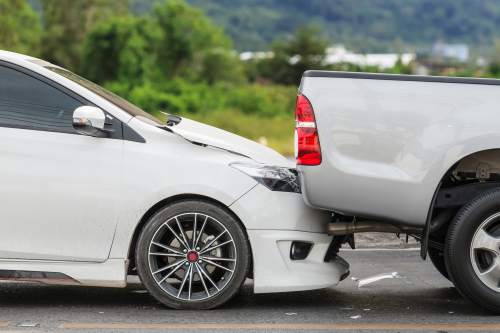
A sudden stop can turn an ordinary drive into a serious car accident in a matter of seconds. A driver may brake because traffic ahead has stopped, a pedestrian enters the roadway, an animal crosses the street, debris appears in the lane, or another vehicle makes an unexpected maneuver. The driver behind may have only a moment to react. When that vehicle crashes into the rear of the stopped or slowing vehicle, determining who is legally responsible is not always as simple as saying, “The driver in the back caused the accident.”
In Illinois, drivers have a duty to operate their vehicles with reasonable care and maintain enough following distance to respond to changing traffic conditions. Illinois law specifically prohibits following another vehicle more closely than is “reasonable and prudent,” considering factors such as vehicle speed, traffic, and roadway conditions.
However, the lead driver can potentially share responsibility when a sudden stop is itself unreasonable or creates an avoidable hazard. Establishing liability therefore requires examining the circumstances surrounding the collision, the conduct of both drivers, roadway conditions, vehicle damage, available video evidence, witness statements, and other evidence.
“A rear-end collision may look straightforward at first, but the critical question is what happened in the seconds before impact. We investigate the evidence carefully because liability should be based on the facts, not assumptions about which vehicle struck the other.” — John J. Malm, Naperville car accident attorney
How Common Are Rear-End Crashes?
Rear-end collisions are among the most common types of motor vehicle crashes. In a National Highway Traffic Safety Administration analysis, rear-end crashes represented approximately 32.5% of all crashes in 2019, making them the most prevalent crash type identified in that analysis. NHTSA reported approximately 2.19 million rear-end crashes in 2019, including fatal, injury, and property-damage-only crashes.
Illinois also experiences hundreds of thousands of crashes each year. According to the Illinois Department of Transportation’s 2024 Illinois Crash Facts, there were 303,913 motor vehicle crashes in Illinois in 2024. Of those, 63,109, or 20.8%, were injury crashes, while 1,085 were fatal crashes.
These statistics demonstrate why seemingly routine rear-end collisions deserve careful attention. A crash does not have to involve high speeds to cause significant injuries. Sudden deceleration can produce substantial forces on occupants, potentially causing injuries to the neck, back, shoulders, head, and other parts of the body.
Is the Rear Driver Always Liable After a Sudden Stop?
Not necessarily. In many rear-end collisions, the following driver will face significant scrutiny because drivers are expected to maintain a safe following distance. Illinois law requires a driver to avoid following another vehicle more closely than is reasonable and prudent under the circumstances.
A driver who is traveling too closely, speeding, distracted, or otherwise failing to pay attention may not have enough time to stop when traffic changes. If that driver’s negligence causes the collision, the driver may be responsible for the resulting damages.
But liability is based on the facts of the particular accident. A lead driver does not necessarily have unlimited freedom to stop suddenly without regard for other motorists. If the lead driver’s conduct was negligent and contributed to the crash, that conduct may become part of the liability analysis.
For example, questions may include:
- Why did the lead driver stop?
- Was there a legitimate traffic or safety reason for stopping?
- Did the lead driver stop at a location where stopping was reasonably expected?
- Did the lead driver abruptly brake without an apparent reason?
- Were the brake lights functioning?
- Was the lead vehicle changing lanes or making a turn?
- Was the lead driver attempting to avoid another collision?
- Was the following driver traveling too fast for conditions?
- Was the following driver distracted?
- How much distance existed between the vehicles before the stop?
The answers can significantly affect how liability is evaluated.
When a Sudden Stop May Be Reasonable
Drivers sometimes have to stop unexpectedly because traffic conditions change unexpectedly. A sudden stop does not automatically mean that the lead driver was negligent. For example, a driver may have to brake because:
- Traffic ahead suddenly comes to a stop.
- A pedestrian enters a crosswalk.
- A vehicle cuts into the driver’s lane.
- A child or animal enters the roadway.
- Debris falls onto the road.
- A traffic signal changes.
- A vehicle ahead makes an unexpected maneuver.
- Emergency vehicles require traffic to stop.
- A collision or hazard blocks the roadway.
In these circumstances, the driver may have had a legitimate safety reason to brake. The fact that the stop was sudden does not necessarily make it unreasonable. Drivers are expected to anticipate that traffic can slow or stop, particularly in congested areas. This is one reason Illinois law focuses on whether the following driver maintained a reasonable and prudent distance rather than simply asking whether the lead vehicle stopped suddenly.
When the Lead Driver May Share Liability
There are circumstances in which the lead driver’s conduct can become an important issue. Suppose a driver suddenly stops in a travel lane without an apparent traffic or safety reason. If the driver could reasonably have avoided the sudden stop and the maneuver creates an unreasonable hazard, evidence concerning that conduct may be relevant to determining fault.
Similarly, a driver who stops unexpectedly because of an improper maneuver may contribute to the collision. Examples might include abruptly stopping while attempting an unusual turn, stopping in an inappropriate location, or making another maneuver that leaves following motorists with insufficient opportunity to react. The investigation should therefore look at the entire sequence of events rather than focusing exclusively on where the vehicles came to rest.
Illinois Comparative Fault Rules
Illinois follows a modified comparative-fault system. Under 735 ILCS 5/2-1116, a plaintiff generally is barred from recovering damages when the plaintiff’s contributory fault is more than 50% of the proximate cause of the injury or damage. When the plaintiff’s fault is 50% or less, the damages awarded are reduced in proportion to the plaintiff’s percentage of fault. This can be important in a sudden-stop accident.
Imagine a case in which the following driver was primarily responsible for failing to maintain a safe following distance, but the evidence also indicates that the lead driver’s conduct contributed to the crash. The parties may dispute how much fault should be assigned to each driver. The analysis can affect compensation for:
- Medical expenses
- Lost wages
- Future earning capacity
- Pain and suffering
- Disability
- Disfigurement
- Property damage
- Other legally recoverable losses
Illinois law recognizes both economic and non-economic damages in personal injury cases, including medical expenses, lost income, pain and suffering, disability, and disfigurement.
Evidence That Can Help Establish Liability
Sudden-stop cases can become disputes over what happened in the seconds immediately before impact. Physical evidence and digital evidence can therefore be extremely important. Evidence may include:
- Police crash reports
- Photographs of the vehicles and roadway
- Dashcam footage
- Traffic-camera footage
- Surveillance video from nearby businesses
- Witness statements
- Vehicle event-data information
- Smartphone records, when legally obtainable and relevant
- Skid marks or other roadway evidence
- Vehicle damage patterns
- Accident reconstruction analysis
- Medical records
- Statements made by the drivers after the collision
Video can be particularly valuable because it may show the lead vehicle’s movements before the collision, the amount of following distance, the timing of the stop, traffic conditions, and whether another event caused the lead driver to brake.
A lawyer investigating the accident should also consider whether potentially important evidence could disappear. Surveillance systems frequently overwrite older recordings, and witnesses may become difficult to locate as time passes.
Vehicle Damage Can Help Tell the Story
The location and severity of vehicle damage may provide important clues about how a collision occurred. For example, damage concentrated on the front of one vehicle and the rear of another may be consistent with a rear-end impact. More extensive evidence may help determine whether the following vehicle was moving at a significant speed, whether the lead vehicle was already stopped, or whether the vehicles were moving when the impact occurred.
Vehicle damage alone, however, does not necessarily establish legal liability. It should be evaluated together with photographs, witness accounts, traffic conditions, statements, video, and other evidence.
What If the Driver Stopped Suddenly Because of an Emergency?
An emergency can substantially change the circumstances of a case. A driver who brakes suddenly because another vehicle has entered the lane, a pedestrian is crossing, or an immediate collision appears likely may have acted reasonably under the circumstances. The following driver may still have been expected to maintain sufficient distance to respond.
Conversely, if evidence shows that the lead driver created the emergency through negligent conduct, that conduct could become relevant to the allocation of fault. This is why determining liability requires reconstructing the events immediately before the collision rather than simply identifying which vehicle struck which vehicle.
What Should You Do After a Sudden-Stop Accident?
If you are involved in a sudden-stop collision, take reasonable steps to protect your health, safety, and potential claim. Consider the following:
- Seek medical attention for injuries, including symptoms that develop later.
- Call the police when appropriate and obtain information about the crash report.
- Photograph the vehicles, roadway, traffic controls, and surrounding area.
- Obtain contact information for witnesses.
- Preserve dashcam or other video footage.
- Avoid speculating about fault at the accident scene.
- Notify your insurance company as required by your policy.
- Keep records of medical treatment, expenses, and missed work.
- Preserve photographs and other evidence relating to the collision.
- Speak with an experienced Illinois car accident attorney before accepting a settlement if you suffered significant injuries.
In particular, do not assume that an insurance company’s initial determination of fault is the final word. Insurers have an interest in minimizing the amount they pay. A careful investigation may reveal evidence that changes the understanding of what caused the collision.
Frequently Asked Questions About Sudden-Stop Accidents
Is the driver who rear-ends another vehicle automatically at fault?
No. A rear-end impact often creates a strong argument that the following driver failed to maintain a safe distance, but liability is ultimately determined by the facts. Evidence concerning the lead driver’s conduct, roadway conditions, traffic, and the reason for the stop can also matter.
Can I recover compensation if the other driver says I stopped suddenly?
Possibly. The fact that you stopped suddenly does not automatically establish that you were negligent. If you had a legitimate reason to brake and the other driver failed to maintain a reasonable following distance, the other driver may still be responsible.
What if both drivers were partly responsible?
Illinois comparative-fault law permits damages to be reduced according to a plaintiff’s percentage of fault when the plaintiff’s fault is 50% or less. If the plaintiff’s fault is more than 50%, the plaintiff is barred from recovering damages under 735 ILCS 5/2-1116.
Can a sudden-stop accident cause serious injuries?
Yes. Even a relatively low-speed rear-end crash can cause injuries, particularly to the neck and back. Symptoms may also develop after the collision rather than immediately at the scene.
What evidence is most important in a sudden-stop accident?
Video footage, witness statements, photographs, police reports, vehicle damage, medical records, and other evidence documenting what occurred immediately before and during the crash can all be important.
Should I talk to the other driver’s insurance company?
You generally should be cautious about giving recorded statements or making detailed admissions about fault before understanding your legal rights. If you suffered significant injuries, consulting a personal injury attorney can help you evaluate communications with insurers and protect your interests.
Contact the Trial-Ready Illinois Car Accident Lawyers at John J. Malm & Associates
A sudden-stop collision can appear simple until the insurance companies begin disputing responsibility. The fact that one vehicle struck another from behind does not necessarily answer every legal question. The reason for the stop, the distance between the vehicles, the speed of the following vehicle, traffic and roadway conditions, available video, witness testimony, and conduct of both drivers may all matter.
At John J. Malm & Associates, we investigate the circumstances surrounding serious car accidents and work to identify the evidence necessary to establish liability and pursue the compensation our clients deserve. If you have been injured in a sudden-stop accident, contact our firm to discuss your case and learn about your legal options.