- Free Consultation: (630) 527-4177 Tap Here to Call Us

















How to Document an E-Bike Accident for Insurance and Legal Claims in Illinois


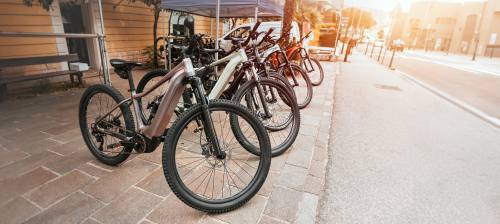
Electric bicycles, commonly known as e-bikes, offer a convenient way to commute, exercise, and travel around Illinois communities. However, when an e-bike collides with a motor vehicle, a pedestrian, another cyclist, or a road hazard, the rider can suffer serious injuries and face complicated insurance questions. Knowing how to document an e-bike accident scene can make a significant difference when pursuing compensation for medical expenses, lost wages, pain and suffering, and property damage.
Evidence gathered immediately after a crash can help establish how the accident occurred, identify the responsible parties, and challenge an insurance company’s attempt to minimize a claim. Photographs, witness statements, police reports, medical records, and information about the e-bike itself may all become important evidence in a personal injury case.
At John J. Malm & Associates, our Illinois personal injury lawyers understand the importance of preserving evidence after a serious bicycle or e-bike accident. If you or someone you love has been injured, understanding what to document, and what to preserve, can help protect your legal rights.
Why Is Documenting an E-Bike Accident So Important?
An e-bike accident can involve disputed facts about right-of-way, speed, visibility, traffic signals, road conditions, and the actions of the people involved. Drivers may claim that an e-bike rider appeared unexpectedly, while riders may report that a driver turned across their path or failed to yield. Without independent evidence, an insurance company may rely heavily on competing accounts of the crash.
Statistics demonstrate why these accidents deserve serious attention. A 2024 study published in the American Journal of Public Health examined micromobility injuries using data from the National Electronic Injury Surveillance System. Researchers estimated that e-bike injuries increased by 293% from 2019 to 2022, while e-bike injuries had the highest proportion of motor vehicle involvement among the micromobility categories studied, at 35.4%.
More recent research published in 2026 examined emergency department visits involving e-scooters, e-bikes, and conventional bicycles from 2020 through 2024. Researchers estimated approximately 2.53 million visits across these categories, with 20.5% involving a motor vehicle. Annual e-bike injury-related emergency department visits increased by 389% over that period.
These figures are national estimates, not Illinois-specific accident totals. Nevertheless, they underscore the importance of documenting e-bike crashes carefully, particularly when a collision results in serious injuries. Strong evidence can help establish:
- Liability: Whether a driver, property owner, manufacturer, or another party may have caused or contributed to the accident.
- The accident sequence: Where each person was traveling, the direction of movement, and how the collision occurred.
- The severity of the impact: The damage to the e-bike, vehicle, helmet, and other equipment.
- The extent of the injuries: How the crash affected the rider’s physical health, ability to work, and daily activities.
- Financial losses: Medical expenses, rehabilitation costs, lost income, and property replacement or repair costs.
The goal is to create an accurate record of what happened—not to manufacture evidence or draw conclusions before the facts are known.
1. Put Safety and Medical Care First
Immediately after an e-bike accident, prioritize personal safety over collecting evidence. A rider may have a concussion, spinal injury, fracture, or internal injury without recognizing the severity of the condition at the scene. If you can do so safely, move out of traffic and call 911 when anyone is seriously injured, traffic is obstructed, or police assistance is needed. Do not attempt to stand or move if doing so could worsen a suspected neck, back, or other serious injury. Seek medical evaluation as soon as possible, even if the initial symptoms seem minor. Adrenaline can temporarily mask pain, and some injuries become apparent hours or days later.
When speaking with medical professionals, accurately explain how the crash occurred, including whether you were riding an e-bike and whether a vehicle struck you or caused you to fall. Keep copies of emergency department records, diagnostic imaging reports, discharge instructions, prescriptions, and follow-up treatment records. If someone else is available to help, ask that person to photograph the scene while you receive medical attention. Never delay necessary treatment to take pictures or collect information.
2. Take Photographs and Videos of the Entire Accident Scene
Photographs and videos can help reconstruct the accident long after vehicles have been moved and roadway conditions have changed. If it is safe to do so, document the scene before physical evidence disappears. Start with wide-angle photographs that show the overall location. Then take closer images of the e-bike, vehicles, damage, debris, and any roadway conditions that may have contributed to the crash. Important photographs include:
- The overall scene: The intersection, road, bike lane, sidewalk, driveway, or other location where the accident occurred.
- Vehicle positions: Where the car, truck, e-bike, and other involved road users came to rest, if those positions have not been disturbed.
- Traffic controls: Stop signs, traffic signals, crosswalks, lane markings, and posted speed limits.
- Road hazards: Potholes, loose gravel, broken pavement, standing water, construction debris, or obstructed bike lanes.
- Damage to the e-bike: Broken handlebars, bent wheels, damaged pedals, cracked frames, damaged batteries, or other visible defects.
- Damage to other vehicles: Dents, scratches, broken lights, damaged bumpers, and contact points that may help explain the collision.
- Debris and physical evidence: Broken plastic, glass, vehicle parts, or other material on the roadway.
- Visibility conditions: Street lighting, shadows, parked vehicles, vegetation, and other potential sight obstructions.
Take multiple photographs from different angles. Include both close-ups and images showing where the damaged objects were located relative to one another. If you record video, slowly pan across the scene and describe the location, direction of travel, and visible conditions. Avoid making speculative statements about fault.
Do not step into moving traffic, trespass onto private property, or return to a dangerous roadway simply to obtain a better photograph. If emergency responders have already moved the vehicles, do not attempt to recreate their original positions yourself.
3. Document the E-Bike and Any Other Vehicles Involved
The e-bike itself may provide important evidence about the force and direction of the collision. Preserve it in the condition it was in immediately after the accident whenever possible. Photograph the manufacturer’s name, model, serial number, motor, battery, brakes, tires, lights, and any visible damage. If the accident involved a suspected mechanical failure, such as brake malfunction, a sudden loss of power, or a battery problem, document the circumstances and avoid altering the device before it can be inspected. Record information about any other vehicle involved, including:
- Driver’s name, contact information, driver’s license details, and insurance information.
- License plate number, vehicle make, model, color, and visible damage.
- The driver’s description of what happened, recorded as accurately as possible.
- Whether the vehicle was a commercial truck, delivery vehicle, rideshare vehicle, or company-owned vehicle.
Do not discard, repair, or modify a damaged e-bike before considering whether it needs to be inspected. Repairs can destroy evidence of a mechanical defect or collision damage. Store the e-bike securely and consult an attorney before authorizing repairs if a significant legal claim is anticipated.
If you suspect a defective component, preserve purchase receipts, maintenance records, warranty information, manuals, and communications with the manufacturer or seller. A product liability claim may require a technical inspection to determine whether a defective design, manufacturing flaw, or inadequate warning contributed to the crash.
4. Identify Witnesses and Obtain Their Contact Information
Independent witnesses can be particularly valuable when the rider and driver disagree about how the accident occurred. A witness may have observed a driver running a red light, making an unsafe turn, speeding, or entering a bike lane without checking for cyclists.
If witnesses are present, politely ask for their names, telephone numbers, and email addresses. If they are willing, ask them to describe what they saw in their own words. Avoid suggesting answers or pressuring anyone to support your version of events. Record details such as:
- Where each witness was standing or traveling.
- Whether the witness saw the collision itself or only its aftermath.
- The direction from which the e-bike and other vehicle approached.
- Whether the witness observed a traffic signal, turn signal, or other relevant circumstance.
A witness’s account may be especially useful if the driver later disputes the rider’s description. Do not assume that someone who stopped at the scene will remain available weeks or months later.
5. Locate Surveillance Cameras and Preserve Digital Evidence
Some of the most persuasive evidence in an e-bike accident case may come from sources other than photographs taken by the injured rider. Nearby businesses, homes, parking garages, traffic cameras, and vehicles may have captured the crash. Doorbell cameras and commercial security systems can show vehicle movements, traffic signals, or events immediately before impact. Act promptly because video may be overwritten or deleted according to the owner’s retention schedule. Potential sources include:
- Residential doorbell cameras and home security systems.
- Retail stores, restaurants, gas stations, and office buildings.
- Traffic cameras or other public-agency recordings, where available.
- Dashcams and vehicle event-data systems.
- Helmet cameras, smartphones, and bicycle computers.
- GPS records, cycling applications, and ride-tracking data.
If a camera may have captured the accident, record its location and the owner’s contact information. Request that relevant footage be preserved. If a business will not provide it voluntarily, an attorney may be able to pursue appropriate legal procedures to obtain it.
Preserve original digital files whenever possible. Avoid editing, cropping, or adding captions to the only copy of a recording. Keep backup copies and note when and how the files were obtained.
If a driver fled the scene, record whatever details you remember about the vehicle, including its color, make, model, direction of travel, and partial license plate. Report the incident to police promptly rather than attempting to follow the driver.
6. Obtain a Police Report and Record the Accident Details
When an e-bike crash involves a motor vehicle, injuries, or significant property damage, contact law enforcement as appropriate. Give officers an accurate account of the incident and identify available witnesses and potential video evidence. Before leaving the scene, if circumstances permit, record:
- The responding agency and investigating officer’s name or badge number.
- The police incident or crash report number.
- The date, time, and precise location of the accident.
- The names and contact details of the people involved.
- Any citations issued, if known.
Request a copy of the completed report when it becomes available. Check it for factual errors, such as an incorrect direction of travel or a mistaken description of the collision. A police report can be useful evidence, but it does not automatically establish liability, and an officer’s initial conclusions may not resolve every disputed issue.
As soon as you can, write a detailed account of the accident while your memory is fresh. Describe what you remember before, during, and after the collision. Separate what you personally observed from what other people told you, and do not guess about details you cannot recall.
7. Photograph Your Injuries and Keep Medical Records
Documenting the physical consequences of an e-bike accident is just as important as documenting the scene. Photographs can show visible injuries that may change as bruising develops or wounds heal.
Take clear, dated photographs of cuts, abrasions, bruising, swelling, lacerations, and other visible injuries. Continue documenting significant changes during recovery, while respecting your own privacy. Keep a file containing:
- Emergency department records and hospital discharge instructions.
- Diagnostic imaging reports and medical evaluations.
- Physical therapy records and rehabilitation plans.
- Prescription receipts and medical bills.
- Documentation of missed work and lost income.
- Notes describing pain, sleep disruption, mobility limitations, and other effects on daily life.
Consider maintaining a daily recovery journal. Record the activities you cannot perform, the assistance you need, and how your symptoms affect work, family responsibilities, and recreation. Medical documentation helps connect the injuries to the accident and establish the extent of the losses claimed. Be accurate and consistent when discussing your symptoms with healthcare providers. Do not exaggerate or minimize your condition.
8. Notify Insurance Companies Carefully
Depending on the circumstances, potential insurance coverage may include the at-fault driver’s auto liability policy, your own applicable insurance coverage, or another responsible party’s policy. Coverage depends on the facts, policy language, and applicable law.
Illinois law recognizes comparative negligence. Under 735 ILCS 5/2-1116, an injured person may generally recover damages if their contributory fault is not more than 50%, with damages reduced according to their percentage of fault. When reporting the accident, provide accurate basic information and retain copies of all correspondence. Keep a log of telephone calls, including the adjuster’s name, the date, and the substance of the conversation.
Before providing a recorded statement to another party’s insurer or accepting a settlement, consider obtaining legal advice. An early settlement may not account for future treatment, permanent impairment, or other losses that become apparent later.
9. Common Mistakes to Avoid After an E-Bike Accident
Even when an injured rider takes photographs and obtains a police report, preventable mistakes can undermine a claim. Avoid these common errors:
- Leaving the scene without recording available evidence when it is safe and practical to do so.
- Discarding or repairing the e-bike before documenting damage and considering an inspection.
- Assuming a police report contains every relevant fact.
- Waiting too long to seek medical attention.
- Posting speculation about fault or the extent of your recovery on social media.
- Giving inconsistent or exaggerated accounts of the accident.
- Accepting a settlement before understanding the potential extent of your injuries and losses.
- Assuming the deadline to file a lawsuit is the same for every claim.
Illinois generally imposes a two-year statute of limitations for personal injury actions and a five-year period for many property damage actions, subject to exceptions. Claims involving government entities, minors, and other special circumstances may have different requirements. Prompt legal advice can help identify the deadlines that apply to your case.
Frequently Asked Questions About Documenting E-Bike Accidents
What should I do if I am too injured to take photographs?
Your health comes first. Ask a passenger, witness, family member, or another trusted person to document the scene if it is safe. Police, emergency responders, and later legal investigation may also help establish what happened. Do not delay medical treatment to gather evidence.
Can I file an insurance claim if I was not wearing a helmet?
Possibly. The absence of a helmet does not automatically eliminate a claim against a negligent driver. The effect of helmet use depends on the facts, applicable law, and the injuries involved. Preserve all evidence and seek advice about how the circumstances may affect your claim.
What if the driver denies causing the accident?
Preserve photographs, witness information, police records, digital footage, and physical evidence. An investigation may help establish vehicle movements, right-of-way, and other relevant facts. Do not assume that the driver’s account is conclusive.
Can I pursue a claim if a defective e-bike caused my accident?
Potentially. If a defective brake, battery, frame, motor, or other component contributed to the crash, a product liability claim may be available depending on the evidence and applicable law. Preserve the e-bike and its components, along with purchase and maintenance records, before making repairs.
How long do I have to file an e-bike accident lawsuit in Illinois?
Many Illinois personal injury claims have a two-year filing deadline, but exceptions may apply. Claims against government entities and claims involving minors can have different requirements. Consult an attorney promptly rather than assuming you have the full standard period.
Contact the 5-Star Rated Illinois Injury Attorneys at John J. Malm & Associates After an E-Bike Accident
Documenting an e-bike accident scene can help protect your ability to pursue compensation, but collecting evidence is only the first step. Establishing liability may require a detailed investigation, witness interviews, video preservation, accident reconstruction, medical documentation, and analysis of the available insurance coverage.
If you or a loved one has been injured in an e-bike accident in Naperville, St. Charles, or elsewhere in the Illinois communities we serve, contact John J. Malm & Associates for a free consultation to discuss your situation. Our Illinois personal injury law firm represents injured people in serious personal injury claims and can help evaluate the evidence, identify potentially responsible parties, and pursue compensation for medical expenses, lost income, pain and suffering, and other legally recoverable losses. Do not let important evidence disappear before you understand your options. Contact our firm to discuss your e-bike accident and learn how we may be able to help.