- Free Consultation: (630) 527-4177 Tap Here to Call Us















Dog Bites on Halloween: Who Is Liable When a Dog Attacks a Trick-or-Treater in Illinois?


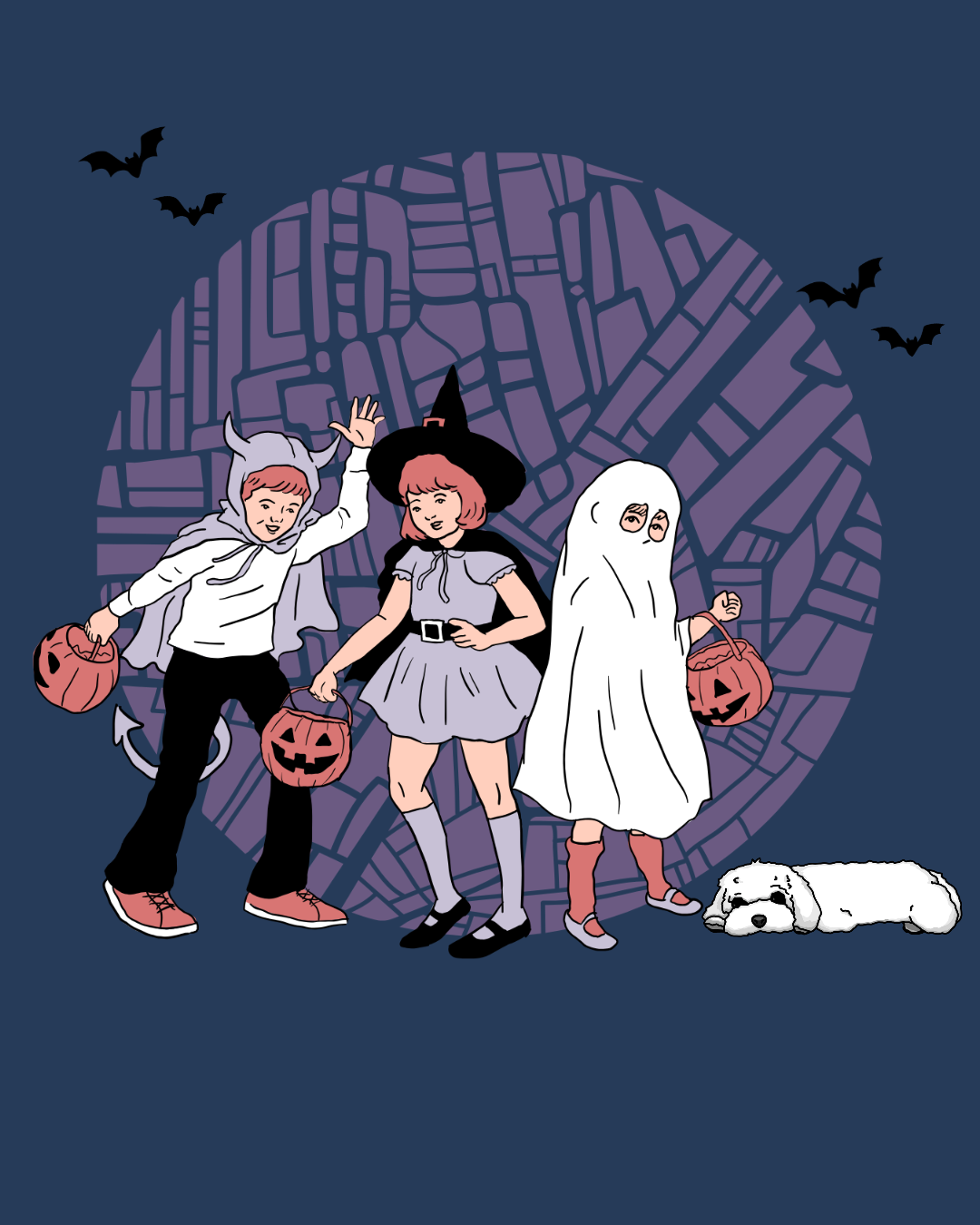
Halloween is supposed to be a night of costumes, candy, and neighborhood celebrations. For children and families, trick-or-treating is one of the most anticipated traditions of the fall. Unfortunately, Halloween also creates circumstances that can increase the risk of dog bites and animal attacks. Increased foot traffic, unfamiliar visitors, doorbells ringing repeatedly, excited children, unusual costumes, and dogs that are frightened or territorial can create a dangerous combination.
Even normally friendly dogs may react unpredictably when strangers repeatedly approach their homes. A dog that is startled by a mask, overwhelmed by noise, or protective of its territory may bite a trick-or-treater, a parent accompanying a child, or another visitor. These attacks can cause serious injuries, including puncture wounds, facial injuries, infections, permanent scarring, nerve damage, and psychological trauma.
For families in Illinois, understanding how dog bites happen on Halloween, who may be legally responsible, and what steps to take after an attack is important. Illinois law provides significant protections for people injured by dogs, and an injured victim may have the right to pursue compensation from the dog’s owner or another legally responsible party.
“Halloween should be a night when children can enjoy their neighborhoods without worrying about being attacked by a dog. When a dog owner fails to take reasonable precautions and a child suffers serious injuries, the consequences can follow that family for years. We believe injured victims and their families deserve answers, accountability, and a fair opportunity to recover the compensation they need.”— John J. Malm, Naperville dog attack attorney
Why Halloween Can Increase the Risk of Dog Bites
Halloween creates an environment that can be stressful for dogs, particularly those that are territorial, anxious, protective, or unfamiliar with large groups of people. Throughout the evening, dogs may hear repeated doorbells, see unfamiliar people approaching their homes, and encounter children wearing costumes that change their appearance. Several Halloween-specific circumstances can contribute to dog attacks:
- Repeated doorbell ringing: Dogs may become increasingly agitated when strangers repeatedly approach the front door.
- Unfamiliar costumes and masks: Masks, oversized clothing, hats, face paint, and unusual movements may frighten or confuse some dogs.
- Excited children: Children may run, shout, wave candy bags, or make sudden movements that startle an animal.
- Open doors and gates: Owners frequently open their doors to distribute candy, creating opportunities for dogs to escape or rush toward visitors.
- Territorial behavior: Dogs may perceive trick-or-treaters approaching the front porch as intruders entering their territory.
- Crowded sidewalks: Dogs accompanying their owners on walks may become overwhelmed by the number of people, noises, and unfamiliar sights.
- Unsupervised interactions: Children may attempt to pet dogs without asking permission or recognizing warning signs of aggression.
It is important to understand that a dog does not have to be historically aggressive to cause a serious injury. A normally friendly family pet may bite when frightened, startled, overstimulated, or placed in an unfamiliar situation.
Dog Bite Statistics: A Serious Public Safety Concern
Dog bites are a significant source of preventable injuries throughout the United States. Although many attacks result in relatively minor injuries, others require emergency treatment, reconstructive surgery, infection management, and long-term rehabilitation.
According to the Insurance Information Institute (Triple-I) and State Farm, U.S. insurers paid approximately $1.57 billion in dog bite and related injury claims in 2024. There were 22,658 claims nationwide, representing an increase of nearly 19% compared with 2023. The average cost per claim reached $69,272. These figures include other dog-related injuries, such as fractures and blunt-force trauma, rather than exclusively bite wounds.
More recent figures demonstrate that the problem has continued to grow. Triple-I reported that insurers paid approximately $1.86 billion for 28,450 dog-related injury claims in 2025, an increase of 25.6% in the number of claims compared with 2024. Illinois is also significantly affected by dog-related injuries. According to the Insurance Information Institute’s 2025 state-by-state data:
- Illinois had an estimated 1,283 dog bite and related injury insurance claims.
- The average cost per claim in Illinois was approximately $79,596.
- The total value of Illinois claims was approximately $102 million.
- Illinois ranked eighth nationally in the number of reported claims.
Children are particularly vulnerable to dog bites. Their smaller size can expose their heads, faces, and necks to serious injuries when an animal attacks. The California Department of Public Health, examining emergency department visits from 2005 through 2019, found that children younger than 10 visited emergency departments for dog bite injuries more frequently than other age groups. Children were also more than three times as likely to sustain bites to the head or face.
Common Dog Bite Injuries on Halloween
A dog attack can cause more than a simple puncture wound. Depending on the animal’s size, the location of the bite, and the circumstances surrounding the incident, victims can experience injuries that require extensive medical care. Common injuries include:
- Puncture wounds and lacerations: Dog teeth can penetrate deeply into the skin, damaging underlying tissue, muscles, tendons, and blood vessels. Multiple bites may occur during a single attack.
- Facial injuries: Children are especially vulnerable to bites involving the cheeks, lips, nose, and eyes. These injuries can require plastic surgery and may leave permanent scars.
- Infections: Dog bites introduce bacteria into the body. Infections can cause redness, swelling, fever, pain, and potentially serious complications if left untreated.
- Nerve and tendon damage: Deep bites can damage nerves and tendons, resulting in numbness, weakness, restricted movement, and loss of function.
- Fractures and crushing injuries: A powerful dog may cause fractures or crush injuries, particularly when attacking a young child or knocking someone to the ground.
- Emotional and psychological trauma: A frightening attack can cause anxiety, nightmares, fear of dogs, and post-traumatic stress symptoms. Children may experience lasting emotional distress that affects their willingness to participate in ordinary activities.
Some victims require multiple surgeries, scar revision procedures, physical therapy, counseling, or other ongoing treatment. The full impact of an attack may not become apparent immediately.
Who Is Responsible for a Dog Bite During Halloween in Illinois?
Illinois has a specific statute governing liability for dog bites and other animal attacks. Under the Illinois Animal Control Act, 510 ILCS 5/16, a dog’s owner may be held liable when the animal attacks, attempts to attack, or injures someone who is peaceably conducting themselves in a place where they are legally allowed to be, provided the animal acted without provocation. Unlike states that rely primarily on a traditional one-bite rule, Illinois generally does not require an injured person to prove that the dog previously bit someone or that the owner knew the animal was dangerous.
This law can be particularly important in Halloween dog bite cases because trick-or-treaters generally have permission, express or implied, to approach homes and knock on doors where candy is being distributed.
Does a Dog Owner Have to Know the Dog Is Dangerous?
Generally, no. Illinois law does not require a victim to establish that the dog had a previous history of biting, growling, or attacking people. For example, imagine a family takes its young child trick-or-treating in a Naperville neighborhood. When the child approaches a homeowner’s front porch to receive candy, the homeowner’s dog rushes through an open doorway and bites the child on the face.
Even if the dog has never bitten anyone before, the owner may still be liable under the Illinois Animal Control Act. The relevant questions include whether the child was lawfully present, whether the child was acting peaceably, whether there was provocation, and whether the dog’s conduct caused the injuries.
Can a Dog Owner Blame a Trick-or-Treater for Approaching the House?
Simply approaching a home to trick-or-treat does not automatically constitute provocation under Illinois law. A child who knocks on a door, rings a doorbell, or approaches a designated candy-distribution area is generally engaging in ordinary Halloween activity. A dog owner cannot necessarily avoid responsibility by arguing that the animal was startled by the presence of visitors.
However, the circumstances of each incident matter. Evidence that someone intentionally struck, tormented, or otherwise provoked an animal may affect the legal analysis.
What If the Dog Escapes Through an Open Door or Gate?
A dog owner may still be responsible when a dog escapes from a home or yard and attacks someone nearby. For example, an owner who repeatedly opens the front door to distribute candy without securing an excitable dog may create a foreseeable risk of injury. If the dog rushes outside and attacks a trick-or-treater on the sidewalk, the owner may face liability under Illinois law. A personal injury claim may also involve negligence theories depending on the facts, including failures to properly restrain or control an animal.
Can a Trick-or-Treater Recover Compensation After a Dog Bite?
An individual injured by a dog on Halloween may be entitled to pursue compensation from the dog’s owner. Depending on the circumstances, a claim may be covered by the owner’s homeowners’ insurance or renters’ insurance policy. Compensation may include:
- Medical expenses: Emergency room treatment, hospitalization, surgery, medications, wound care, and follow-up appointments.
- Future medical expenses: Anticipated reconstructive surgery, scar revision, rehabilitation, and other necessary treatment.
- Pain and suffering: Physical pain, discomfort, and the lasting effects of the injuries.
- Emotional distress: Anxiety, fear, psychological trauma, and other emotional consequences of the attack.
- Permanent scarring and disfigurement: Compensation for visible scars, particularly when injuries affect a child’s face or other prominent areas.
- Disability and impairment: Compensation for permanent physical limitations, nerve damage, or loss of function.
- Lost wages: Income lost by an injured adult or parent who must miss work to care for an injured child, where legally recoverable.
- Loss of normal life: The impact of the injuries on the victim’s ability to participate in everyday activities.
In serious cases, the financial consequences of a dog attack can be substantial. A child who suffers facial injuries may require years of medical treatment, multiple procedures, and psychological support. It is important not to assume that a dog bite claim is limited to the immediate medical expenses. An injured person may have a right to pursue compensation for both economic and noneconomic damages resulting from the attack.
What Should You Do After a Dog Bite on Halloween?
The actions taken immediately after a dog attack can affect both the victim’s health and the ability to establish a successful personal injury claim. If you or your child is bitten by a dog while trick-or-treating, consider taking the following steps:
1. Seek immediate medical attention. Dog bites can cause serious infections and damage to underlying tissue. Have the wound evaluated by a medical professional, even if it initially appears minor. Follow medical instructions regarding antibiotics, wound care, and rabies exposure.
2. Identify the dog and its owner. Obtain the owner’s name, address, telephone number, and insurance information if available. Ask whether the dog has current vaccinations, particularly its rabies vaccination.
3. Report the incident. Contact the appropriate local animal control agency or law enforcement department. An official report can help document the circumstances of the attack and identify the animal.
4. Photograph the injuries. Take photographs of the wounds as soon as possible and continue documenting the healing process. Photographs can help demonstrate the severity of the injuries, bruising, scarring, and other physical consequences.
5. Obtain witness information. Halloween attacks frequently occur in residential neighborhoods where other parents, children, and neighbors may witness what happened. Collect names and contact information from anyone who saw the attack.
6. Preserve physical evidence. Keep torn or bloody clothing, costumes, and other items damaged during the attack. Do not discard potentially relevant evidence.
7. Document the financial impact. Maintain copies of medical bills, prescription receipts, transportation expenses, missed-work records, and other costs associated with the injury.
8. Speak with an experienced Illinois dog bite attorney. An attorney can investigate the circumstances, identify available insurance coverage, preserve evidence, and evaluate the full value of the claim.
Parents should also be careful about providing recorded statements to insurance companies or accepting an early settlement before the child’s injuries and future medical needs are understood.
How Can Dog Owners Prevent Halloween Dog Bites?
Dog owners have an important responsibility to protect visitors, neighbors, and trick-or-treaters from foreseeable animal-related injuries. Halloween is an especially important time to take precautions. Responsible dog owners should consider the following measures:
- Keep dogs in a secure room away from the front entrance while distributing candy.
- Avoid allowing dogs to greet unfamiliar trick-or-treaters at the door.
- Make sure gates and exterior doors are securely closed.
- Do not assume a friendly dog will remain calm around large groups of costumed children.
- Avoid taking anxious or reactive dogs into crowded Halloween celebrations.
- Supervise dogs closely and watch for signs of stress, including growling, barking, pacing, pinned-back ears, and stiff body posture.
- Provide dogs with a quiet place where they can retreat from Halloween activity.
- Never allow young children to approach or interact with unfamiliar dogs without appropriate supervision.
Recognizing warning signs and avoiding stressful interactions can help reduce the risk of preventable injuries. Ultimately, dog owners should not wait until an animal displays aggressive behavior to take precautions. Preventing an attack is far better than dealing with the consequences of a serious injury.
Frequently Asked Questions About Halloween Dog Bites in Illinois
Can I sue a dog owner if their dog bites my child while trick-or-treating?
Yes. Under the Illinois Animal Control Act, a dog owner may be liable if the dog attacks or injures a child who is peaceably conducting themselves in a place where they are legally allowed to be, provided there was no provocation. A child who is lawfully trick-or-treating at a home may have grounds for a dog bite claim.
Does a dog have to bite someone before for its owner to be liable in Illinois?
No. Illinois generally follows a statutory liability standard rather than a one-bite rule. An owner does not necessarily need to have prior knowledge of the dog’s aggressive tendencies for liability to exist.
What if the dog bites someone who is wearing a Halloween mask?
Wearing a Halloween mask or costume does not automatically constitute provocation under Illinois law. A dog owner may still be liable if the victim was peaceably and lawfully present when the attack occurred. The specific circumstances surrounding the incident will matter.
Can a homeowner be liable if their dog escapes and attacks a child on the sidewalk?
Potentially, yes. The Illinois Animal Control Act can apply when a dog attacks someone who is lawfully present in a public place. An owner may also face a negligence claim depending on how the dog escaped and whether reasonable precautions were taken.
What if the dog has never bitten anyone before?
A previous bite is not required to establish liability under the Illinois Animal Control Act. Even an animal with no known history of aggression can trigger liability when the statutory requirements are satisfied.
How long do I have to file a dog bite lawsuit in Illinois?
Illinois generally provides a two-year statute of limitations for personal injury claims under 735 ILCS 5/13-202. However, special rules may apply to claims involving minors, public entities, and other circumstances. Families should consult an attorney promptly rather than assume they can wait until the deadline approaches.
Does homeowners insurance cover Halloween dog bite injuries?
Many homeowners and renters insurance policies provide liability coverage for dog-related injuries, although coverage depends on the specific policy, exclusions, and circumstances. An attorney can help identify potentially applicable insurance coverage.
Can I recover compensation if my child needs plastic surgery after a dog attack?
Potentially, yes. Recoverable damages may include past and future medical expenses, reconstructive surgery, permanent scarring, pain and suffering, emotional distress, and other losses supported by the evidence.
Contact the Top-Rated Illinois Dog Bite Lawyers at John J. Malm & Associates After a Halloween Dog Attack
Halloween should be remembered for costumes, candy, and family traditions, not a preventable dog attack that leaves a child with permanent scars or lasting emotional trauma. When a dog bites a trick-or-treater, the physical, emotional, and financial consequences can affect the entire family. Illinois law provides important protections for people injured by animals, and dog owners may be held financially responsible even when their pets have never displayed aggressive behavior before.
At John J. Malm & Associates, we represent individuals and families throughout Naperville, DuPage County, Kane County, Cook County, Will County, and surrounding Illinois communities who have suffered serious injuries because of dog bites and animal attacks. Our Illinois dog bite attorneys have over 95 years of combined litigation experience and are committed to holding negligent and legally responsible parties accountable. We understand the challenges families face after a serious dog attack, particularly when a child suffers facial injuries, permanent scarring, or emotional trauma.
If you or your child has been bitten by a dog while trick-or-treating or attending a Halloween event, contact our firm for a free consultation. We can investigate the circumstances of the attack, explain your rights under Illinois law, and pursue compensation for your medical expenses, pain and suffering, permanent injuries, and other damages. Call John J. Malm & Associates at (630) 527-4177 to discuss your potential dog bite claim.