- Free Consultation: (630) 527-4177 Tap Here to Call Us















The Hidden Dangers of Thawing Roads in the Spring


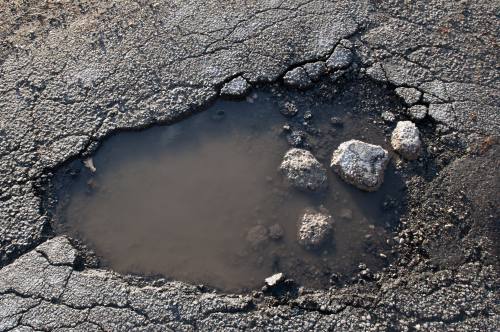
As winter loosens its grip and temperatures begin to rise, many drivers welcome the warmth, sunshine, and onset of spring. However, this seasonal transition also brings hidden hazards to roadways, hazards that often go overlooked until they cause vehicle damage, serious car accidents, or injuries. Spring’s thawing roads result from repeated cycles of freezing and thawing throughout winter, combined with rain and melting snow. This process weakens pavement, fosters potholes and cracks, and creates unsafe driving conditions that elevate the risk of collisions and costly repairs.
Across the United States, drivers spend billions annually dealing with the consequences of thaw-related road damage, from flat tires and bent rims to more serious accidents. Understanding how thawing roads form, why they’re dangerous, and how you can protect yourself will help you navigate the risks associated with this seasonal phenomenon.
What Causes Thawing Road Hazards?
Spring road hazards stem from the freeze-thaw cycle, a natural process that occurs when water infiltrates pavement, freezes, expands, and then melts again as temperatures fluctuate.
The Freeze-Thaw Process
- Water enters tiny cracks in road surfaces through rain, snowmelt, or runoff.
- Freezing temperatures turn this water into ice, which expands, widening cracks in the pavement.
- When temperatures rise, the ice melts back to water, leaving voids and weakened areas beneath the surface.
- Traffic over weakened sections causes chunks of pavement to break away, forming potholes, cracks, and rough surfaces.
- Over repeated cycles, these small defects grow more severe and hazardous.
Spring thaw exacerbates these effects because the ground remains saturated with water, there is frequent rainfall, and rapid temperature swings are common. All of these factors accelerate deterioration.
Why Thawing Roads Are Dangerous
Thaw-related road damage creates multiple hazards that can compromise safety:
1. Potholes and Surface Deformations
Potholes (depressions or holes in the pavement) are among the most visible spring hazards. They form when the weakened roadway collapses under vehicle weight, leaving cavities that can:
- Cause suspension damage
- Bent wheels or rims
- Tire punctures or blowouts
- Loss of vehicle control when a driver swerves suddenly to avoid them
According to a 2021 survey, roughly 10% of U.S. drivers experience vehicle damage from potholes each year, amounting to over $26 billion in repairs nationwide. The average driver who suffers such damage pays over $1,100 out of pocket.
2. Hydroplaning and Wet Roads
Spring is also a rainy season in many parts of the country. Water on the road, especially when mixed with oil, sand, and debris left over from winter, reduces traction. Water collected in potholes or cracks increases the risk of hydroplaning, leading to loss of control. Wet, thaw-softened roads can increase stopping distances and make ordinary maneuvers dangerous.
3. Debris and Loose Material
Winter road maintenance often leaves behind sand, gravel, and debris used for traction. In the spring, these materials remain on the surface or wash into damaged areas, creating skid hazards, particularly for motorcyclists and bicyclists. Loose debris increases braking distance and may contribute to crashes if vehicles must abruptly change lanes or slow down unexpectedly.
4. Structural Road Weakness
As water saturates the soil beneath the pavement during the thaw, the roadbed loses stiffness. This makes the entire pavement more susceptible to deformation under normal traffic loads. Even a heavy rain following a thaw can weaken pavement integrity further, increasing the likelihood of cracks, raveling, and structural collapse in extreme cases.
Spring Road Conditions and Crash Risk
While potholes themselves may not be recorded in crash statistics the same way weather events are, the impacts of thaw-related road damage, such as vehicle loss of control or sudden maneuvers to avoid defects, undoubtedly elevate crash risk.
Spring Driving Dangers
- A telematics analysis found the spring season has the second-highest number of fatal crashes in the U.S., with over 8,400 fatal collisions recorded during spring months. While this includes all seasonal hazards, it underscores that spring is riskier than many drivers expect.
- Standing water mixed with potholes can hide road defects and reduce traction.
- Vehicle damage from potholes, including tire blowouts and suspension failures, can lead directly to crashes when drivers lose control or swerve into traffic.
Although comprehensive national statistics specifically linking thaw-related pavement damage to crash counts are limited, the economic and repair burden alone, coupled with the high frequency of pothole damage, illustrates that these hazards are far from trivial.
Common Types of Accidents Caused by Thawing Roads
Damaged spring road surfaces contribute to several common crash types:
1. Rear-End Collisions
Drivers who slow abruptly to avoid a pothole or part of the road can be struck from behind by inattentive motorists.
2. Single-Vehicle Loss of Control
Impact with a deep pothole may destabilize a vehicle, especially at highway speeds, leading to rollovers or run-off-road collisions.
3. Suspension and Tire Failure Accidents
Mechanical failures caused by pothole impact can lead to impaired steering or braking, increasing crash risk.
4. Lane-Change and Swerving Crashes
An unexpected hole or rough surface may force a driver to swerve into another lane, potentially causing a sideswipe collision.
What to Do After an Accident Caused by Thawing Roads
If you’re involved in a crash that you believe was caused by dangerous road conditions:
Immediately After the Accident
- Move to a safe place if possible without leaving the scene.
- Call 911, even for seemingly minor collisions, a police report strengthens any subsequent claim.
- Gather evidence: photos of the pothole or road damage, vehicle damage, roadway conditions, and weather.
- Collect witness information: names, numbers, and accounts of what they saw.
Documenting Everything
Detailed documentation helps establish the conditions that contributed to your accident. Roads weakened by freeze-thaw cycles often deteriorate gradually, so capturing clear images and notes is critical.
Seek Medical Care
Even if injuries seem minor initially, see a doctor promptly. Injuries like whiplash, internal bruising, or nerve damage may not show immediate symptoms.
Notify Your Insurance Company
Promptly report the crash to your insurer, but be cautious about statements that might unintentionally reduce your claim’s value before you consult with an attorney.
Speak With an Illinois Car Accident Attorney
Damages from thaw-related road defects can involve complex liability issues, often involving municipalities, counties, or state agencies responsible for road maintenance. An experienced lawyer can help you understand deadlines for claims and evidence requirements.
Legal Considerations and Liability
Determining liability in accidents caused by thawing road hazards can be challenging. Government entities responsible for road maintenance have a duty to maintain reasonably safe roadways and to timely address known hazards. If they fail to do so, and that failure contributes to a crash, they may be legally responsible if they meet certain criteria under the Illinois Governmental Tort Immunity Act.
Shared Fault
In states like Illinois that use comparative negligence, you can still recover compensation even if you are partly at fault, though your recovery may be reduced by your percentage of fault.
Naperville car accident attorney John J. Malm emphasizes:
“When infrastructure contributors, like municipalities or road authorities, neglect to repair known hazards, injured motorists deserve a full evaluation of legal options. Thorough documentation and early legal advice are crucial because establishing notice and negligence often hinges on precise evidence.”
Frequently Asked Questions About Spring Thaw Road Hazards
Q: Why are potholes more common in spring?
A: Because water seeps into road cracks during winter, freezes, expands, and then melts during spring, weakening the pavement and creating voids that lead to potholes.
Q: Are potholes dangerous or just annoying?
A: Potholes are dangerous; they cause millions of dollars in vehicle damage annually and can directly contribute to collisions when drivers lose control or make sudden maneuvers.
Q: Should I see a doctor even if I feel fine after hitting a pothole?
A: Yes, some injuries (like soft tissue injuries or internal damage) may not present immediately but can worsen without treatment.
Q: Should I report road hazards?
A: Absolutely. Reporting potholes and road damage helps authorities prioritize repairs and can support your claim later.
Contact the Dedicated Illinois Car Accident Attorneys at John J. Malm & Associates
As spring thaws the landscape, roadways around our communities are quietly deteriorating, posing serious risks to drivers, passengers, cyclists, and pedestrians alike. From pothole-related vehicle damage to sudden accidents caused by weakened pavement, thawing roads are more than an inconvenience; they are a significant safety hazard that affects millions of motorists each year. Nearly one in ten drivers experiences pothole damage requiring repair, costing billions annually across the country.
If you or a loved one has been injured because of dangerous road conditions during the spring thaw, you need experienced legal guidance. Roads damaged by freeze-thaw cycles, poor maintenance, or delayed repairs can form the basis for a claim, but only if you act promptly and collect the evidence you need.
Contact John J. Malm & Associates today for a free consultation. We will review your case, help identify liable parties, and aggressively pursue the compensation you deserve, including medical expenses and other losses. Don’t let avoidable infrastructure hazards add financial burden to physical injury. Let us help you hold negligent parties accountable and secure the justice you deserve.