- Free Consultation: (630) 527-4177 Tap Here to Call Us













What Happens If You’re in an Accident While Driving a Company Car?


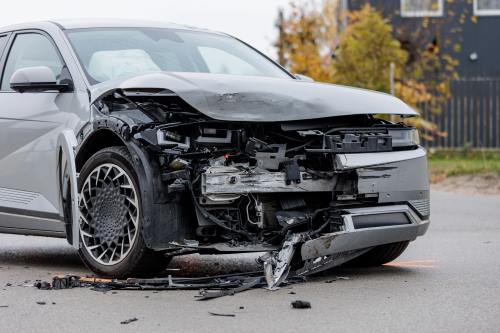
Being involved in a car accident is stressful under any circumstances. But when you are driving a vehicle owned, leased, or provided by your employer, the situation can become more complicated. Questions may immediately arise about who is responsible for the accident, which insurance policy applies, whether your employer can be held liable, and what happens if you are injured while working.
In Illinois, the answer depends on several factors, including why you were driving the company vehicle, whether you were acting within the scope of your employment, who caused the crash, and whether you were injured as an employee or injured someone else.
A company car accident can involve multiple insurance policies and potentially more than one legal claim. Understanding what happens after a crash can help protect your rights and prevent important evidence from being lost.
“When an employee is injured in a company vehicle accident, the question is not simply who was driving. We need to determine why the person was driving, what caused the crash, what insurance applies, and what claims may be available to the injured person.” — John J. Malm, Naperville car accident attorney
Company Car Accidents Are Commonly Serious
Motor vehicle crashes remain a significant source of injuries and fatalities in the United States. According to the National Highway Traffic Safety Administration (NHTSA), 40,901 people were killed in motor vehicle crashes in 2023. NHTSA’s early estimate for 2024 was 39,345 traffic fatalities. The 2024 fatality rate was estimated at 1.20 deaths per 100 million vehicle miles traveled.
A crash involving a company vehicle is not necessarily different from another collision from a physical standpoint. However, the legal and insurance issues can be different because the vehicle may be covered by a commercial automobile policy and because the driver’s employment may affect who can be held responsible. Some common circumstances involving company vehicles include:
- An employee driving to a customer’s location.
- An employee traveling between job sites.
- A salesperson traveling to meet clients.
- A delivery driver making deliveries.
- A construction or service employee driving a company truck.
- An employee running a work-related errand.
- An employee transporting equipment or coworkers.
- An employee using a company vehicle for both work and personal purposes.
The circumstances surrounding the accident matter.
Who Is Responsible for an Accident in a Company Car?
One of the first questions after a company-car crash is whether the employer can be held responsible for the employee’s conduct. Illinois recognizes the legal doctrine of respondeat superior, under which an employer may be held vicariously liable for an employee’s negligent conduct when the employee is acting within the scope of employment. The Illinois Supreme Court has explained that an employer’s liability under this doctrine depends on whether the employee was acting within the scope of employment at the time of the conduct.
For example, if an employee is driving a company vehicle to a customer’s business as part of the employee’s job and causes a collision through negligence, the employer may potentially be responsible for damages caused by the employee. Important questions may include:
- Was the employee performing a work assignment?
- Was the employee traveling between work locations?
- Was the employee making a delivery or business-related trip?
- Was the employee authorized to use the company vehicle?
- Was the employee using the vehicle for a personal purpose?
- Had the employee substantially departed from the employer’s business?
- Did the employer provide or control the vehicle?
- Did the employee violate company driving policies?
There is no single rule that automatically determines responsibility merely because the vehicle belongs to a company. The facts surrounding the trip and the driver’s conduct must be examined.
What If the Employee Was Injured?
The analysis can be different when the person injured in the accident is the employee driving the company car. Illinois workers’ compensation generally covers employees who suffer injuries arising out of and in the course of employment. The Illinois Workers’ Compensation Commission explains that workers’ compensation is generally a no-fault system and may provide benefits for work-related injuries regardless of who was at fault. Potential workers’ compensation benefits may include:
- Reasonable and necessary medical treatment.
- Temporary total disability benefits when an employee cannot work while recovering.
- Temporary partial disability benefits in qualifying circumstances.
- Vocational rehabilitation.
- Permanent partial disability benefits.
- Permanent total disability benefits in qualifying cases.
- Death benefits for eligible surviving family members.
The Illinois Workers’ Compensation Commission reports that approximately 91% of Illinois employees are covered under the Workers’ Compensation Act. An employee injured while driving for work therefore may have a workers’ compensation claim. However, workers’ compensation is not necessarily the only issue that should be investigated.
What If Another Driver Caused the Accident?
Suppose you are driving a company vehicle for work when another driver runs a red light and crashes into you. If you are injured, there may be a workers’ compensation claim because you were injured in the course of your employment. There may also be a third-party personal injury claim against the negligent driver who caused the collision.
This distinction can be important because workers’ compensation and a third-party negligence claim operate differently. A third-party claim may potentially allow an injured person to seek damages that are not available through workers’ compensation, depending on the circumstances. These can include damages associated with pain and suffering and other losses recognized under Illinois personal injury law.
Determining whether a third-party claim exists requires looking beyond the fact that the injured person was working at the time of the crash.
What If You Caused the Accident?
An employee who causes an accident while driving a company vehicle should still report the collision promptly and cooperate with the employer’s accident-reporting procedures. The fact that the employee caused the accident does not necessarily eliminate workers’ compensation coverage for the employee’s own work-related injuries. Illinois workers’ compensation is generally a no-fault system.
At the same time, the employee’s negligence may expose the employer to liability to people who were injured, depending on whether the employee was acting within the scope of employment. For example, if an employee negligently rear-ends another vehicle while making a work-related delivery, the injured person may pursue a claim against the appropriate responsible parties and insurance coverage.
What Insurance Covers a Company Car?
Insurance coverage can become complicated after an accident involving a company vehicle. Illinois law generally requires vehicles operated on public highways to be covered by liability insurance, subject to statutory exceptions. A company vehicle may be insured under a commercial automobile policy rather than the employee’s personal auto policy. The precise policy language matters, including provisions concerning:
- Named insureds.
- Permitted drivers.
- Employees using company vehicles.
- Business use.
- Personal use.
- Liability coverage.
- Uninsured motorist coverage.
- Underinsured motorist coverage.
- Medical payments coverage.
- Exclusions and policy conditions.
An employee should not assume that his or her personal automobile insurance is irrelevant simply because the vehicle belongs to an employer. Likewise, an employee should not assume that the employer’s commercial policy automatically resolves every issue. The policies should be obtained and reviewed.
What If You Were Using the Company Car for Personal Reasons?
Personal use of a company vehicle can create additional questions. For example, an employee may be allowed to take a company vehicle home and use it for limited personal activities. If an accident occurs while the employee is making a personal stop, determining whether the employee was acting within the scope of employment can become fact-specific.
The same issue can arise when an employee deviates substantially from a work route or uses the vehicle for an unauthorized personal purpose. The important point is that ownership of the vehicle alone does not answer the liability question. The purpose of the trip, the employer’s policies, the employee’s authorization, and the specific circumstances of the crash can all matter.
Traveling Employees May Receive Special Consideration
Illinois workers’ compensation law recognizes that traveling employees can be treated differently from employees who work at a fixed location. The Illinois Workers’ Compensation Commission has explained that a traveling employee may be considered to be acting within the course of employment when travel is an essential part of the job. Illinois decisions have also recognized that a traveling employee may remain within the course of employment during travel when the employee is engaging in reasonable and foreseeable conduct connected to the job.
This can be particularly important for employees such as:
- Sales representatives.
- Delivery drivers.
- Field technicians.
- Construction workers.
- Inspectors.
- Repair technicians.
- Healthcare workers who travel between locations.
- Employees regularly traveling between job sites.
Whether a particular trip qualifies depends on the facts.
What Should You Do After a Company Car Accident?
The steps taken immediately after a crash can affect an eventual claim. First, seek medical attention if necessary. Some serious injuries do not produce obvious symptoms immediately. A medical evaluation also creates documentation of the injuries and treatment associated with the crash.
You should also notify your employer according to its accident-reporting procedures. If you were injured while working, timely notice is particularly important. The Illinois Workers’ Compensation Commission states that employees should notify their employer of an accidental injury within 45 days, although prompt reporting is recommended. Other important steps include:
- Call 911 when appropriate.
- Exchange information with the other driver.
- Obtain the police report or crash report when available.
- Photograph the vehicles, roadway, traffic controls, and visible injuries.
- Identify witnesses.
- Preserve photographs or video from the scene.
- Report the accident to the appropriate employer representative.
- Keep records of medical treatment.
- Save medical bills and receipts.
- Avoid posting about the accident or your injuries on social media.
- Do not provide a recorded statement to another driver’s insurer without understanding your rights.
- Preserve information about the company vehicle and applicable insurance policies.
If your injuries are significant, speaking with an Illinois personal injury attorney before giving statements or accepting a settlement can help you understand the claims and insurance coverage that may apply.
Why Evidence Matters in Company Vehicle Accidents
Evidence can become especially important when an employer, employee, and multiple insurers are involved. A company vehicle may contain information that can help establish what happened, including vehicle telematics, GPS records, dash-camera footage, electronic logs, maintenance records, or other data. Depending on the circumstances, evidence may include:
- Police reports.
- Witness statements.
- Photographs and videos.
- Surveillance footage.
- Dash-camera recordings.
- Vehicle black-box or event data.
- GPS and telematics information.
- Driver schedules.
- Delivery records.
- Employer policies.
- Cellphone records where legally obtainable and relevant.
- Vehicle maintenance records.
- Medical records.
- Employment records.
- Insurance policies.
Evidence can disappear or become harder to obtain as time passes. An early investigation may therefore be important in a serious accident.
What If the Company or Insurer Blames You?
After an accident, an employer or insurance company may have questions about how the crash occurred. That does not mean an injured employee has no rights. A company may investigate whether an employee followed company policies, while an insurance company may investigate liability and damages. Those investigations can affect how a claim is handled.
An employee should provide truthful information, but should also be careful about making statements that speculate about fault or minimize injuries. If the accident involved significant injuries, multiple vehicles, disputed liability, or substantial insurance coverage, legal advice can be particularly important.
Frequently Asked Questions About Company Car Accidents
Can I sue my employer if I am injured in a company car accident?
It depends on the circumstances. If you are an employee injured in a work-related accident, workers’ compensation may provide benefits. If another person or entity was responsible for the crash, a third-party personal injury claim may also be possible. Whether a direct claim against the employer is available depends on the facts and applicable law.
What if another driver caused my company car accident?
You may have a workers’ compensation claim for your work-related injuries and potentially a separate third-party claim against the negligent driver. The available damages and legal procedures can differ between the two claims.
Does my employer’s insurance cover a company car accident?
A company vehicle will often be insured under a commercial automobile policy, but coverage depends on the policy and circumstances of the accident. Other insurance, including personal or third-party coverage, may also become relevant.
What if I was driving the company car outside of work?
The answer can depend on whether the personal use was authorized and how substantially the employee departed from employment-related activities. A detailed review of the facts may be necessary to determine whether the employee was acting within the scope of employment.
Do I need a lawyer after a company car accident?
Not every accident requires an attorney. However, legal representation may be particularly important when an employee suffers significant injuries, workers’ compensation and third-party claims overlap, multiple insurance policies may apply, or liability is disputed.
How long do I have to bring a claim?
Illinois imposes deadlines, known as statutes of limitations and statutes of repose, that vary depending on the type of claim and parties involved. Workers’ compensation claims also have their own notice and filing requirements. Because missing a deadline can affect your legal rights, it is important to evaluate a potential claim promptly.
Contact the Top-Rated Illinois Car Accident Attorneys at John J. Malm & Associates
An accident involving a company vehicle can raise questions that do not arise in an ordinary car crash. Whether you were an employee injured while working or another driver injured in a collision with a company vehicle, determining responsibility may require examining employment records, company policies, commercial insurance coverage, workers’ compensation benefits, vehicle data, and the circumstances surrounding the crash.
At John J. Malm & Associates, we investigate serious injury claims and work to identify the insurance coverage and responsible parties involved. If you or a family member has been injured in an accident involving a company car, truck, or other business vehicle, contact our firm for a free consultation to discuss your rights and legal options.