- Free Consultation: (630) 527-4177 Tap Here to Call Us













Can You Sue for Scarring and Disfigurement After a Dog Attack?


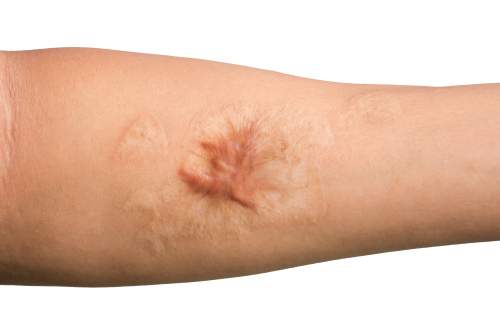
A dog attack can cause much more than a temporary wound. Deep bites, punctures, lacerations, nerve damage, and tissue loss can leave permanent scars or other forms of disfigurement. When an injury changes the way a person looks, affects facial movement, requires reconstructive surgery, or causes lasting emotional distress, the consequences can continue long after the original wound has healed.
For victims in Illinois, the answer to the question, “Can you sue for scarring and disfigurement after a dog attack?” is generally yes. Illinois law specifically provides a civil cause of action when a dog or other animal, without provocation, attacks, attempts to attack, or injures a person who is peaceably conducting themselves in a place where they may lawfully be. The statute provides that the animal’s owner is liable for the full amount of the injury proximately caused by the attack.
Scarring and disfigurement can therefore be an important part of a dog bite injury claim. The value of a claim depends on the individual circumstances, including the severity and location of the scar, medical treatment, future treatment needs, pain and suffering, functional limitations, and the effect the injury has on the victim’s life.
Dog Attacks Can Cause Permanent Scarring
Dog bites can produce significant injuries, particularly when the attack involves the face, head, neck, hands, or other exposed areas of the body. A bite may tear skin and underlying tissue rather than simply puncturing the skin. Severe injuries can require stitches, debridement, skin grafts, flap procedures, or other reconstructive treatment.
The scope of the problem is substantial. CDC materials have estimated approximately 4.5 million dog bites occur in the United States each year, with hundreds of thousands of people receiving medical treatment for dog bite injuries.
Medical research also demonstrates that scarring can be a lasting consequence of a dog attack. A review of 12 peer-reviewed studies involving 1,384 facial dog bite patients found that approximately 75.5% of patients underwent surgical intervention. Hypertrophic scarring was identified as the most common postsurgical complication, occurring in approximately 4.3% of injuries in the studies reviewed. The review also found that approximately 19.1% of patients required revision surgery.
Another study of 111 facial animal-bite cases found that 94.5% of the injuries were caused by dogs. Eight patients, or 7.2%, underwent scar correction at least six months after their original trauma.
These findings help demonstrate why a dog bite claim should not necessarily be evaluated solely by looking at the initial emergency-room treatment. A scar that appears relatively minor immediately after an attack may change as it matures, and some victims may ultimately require additional medical or cosmetic procedures.
Illinois Law and Dog Bite Injuries
Illinois has a specific statute governing animal attacks and injuries. Under the Illinois Animal Control Act, an owner can be held liable when a dog or other animal, without provocation, attacks, attempts to attack, or injures a person who is peaceably conducting themselves in a place where they are legally permitted to be. The statute provides for civil damages for the full amount of the injury proximately caused by the attack.
This can be significant for dog-attack victims because Illinois law does not require the victim to prove that the owner knew the animal was dangerous in order to pursue a claim under Section 16. Instead, the statute focuses on the circumstances of the attack and whether the statutory requirements are satisfied. Important issues in an Illinois dog bite claim may include:
- Whether the victim was lawfully present at the location.
- Whether the victim was peaceably conducting themselves.
- Whether the dog attacked, attempted to attack, or injured the victim.
- Whether the dog owner or another party may have legal responsibility.
- Whether there is evidence of provocation.
- The nature and severity of the injuries.
- Whether the injuries resulted in permanent scarring or disfigurement.
- Whether additional medical or reconstructive treatment may be necessary.
Because the circumstances of every attack are different, victims should have the specific facts of their case evaluated rather than assuming that a claim is or is not available.
What Is Considered Scarring and Disfigurement?
Scarring and disfigurement can encompass more than a visible mark on the skin. A permanent scar can affect a person’s appearance, sensation, movement, or confidence. In some cases, an injury may also result in nerve damage, loss of tissue, or an alteration in the shape or function of a body part. Disfigurement may involve:
- Facial scars.
- Scars around the eyes, nose, mouth, or lips.
- Ear injuries and scars.
- Neck scars.
- Scarring on the hands or arms.
- Permanent changes in skin texture or pigmentation.
- Tissue loss.
- Nerve damage associated with a bite wound.
- Restricted movement caused by scar tissue.
- Permanent deformity following reconstructive surgery.
- Multiple scars resulting from repeated bites.
The location of the injury can be particularly important. A scar on the face may be visible every day and may affect social interactions, employment, photographs, and other aspects of daily life. Research involving facial dog bite injuries illustrates the seriousness of these wounds. In one recent retrospective study of 906 patients with facial dog bite trauma, the cheeks, lips, and nose were among the most frequently injured areas. The study found that 16.9% of patients required operative repair, while 17.9% were treated conservatively.
Can You Recover Compensation for a Permanent Scar?
A dog bite claim may seek compensation for both economic and noneconomic consequences of the injury. Scarring and disfigurement can be relevant to the overall damages resulting from the attack. Economic damages may include expenses such as:
- Emergency medical treatment.
- Hospital bills.
- Surgical procedures.
- Plastic or reconstructive surgery.
- Prescription medications.
- Physical therapy.
- Follow-up appointments.
- Scar-treatment procedures.
- Future medical treatment.
Noneconomic damages can address consequences that do not come with a simple medical bill, including pain, suffering, emotional distress, and the impact of a permanent physical injury on a person’s life.
A permanent scar can be particularly important because its effects may continue after medical bills have been paid. A victim may have to live with the physical evidence of the attack for decades.
Future Scar Treatment May Matter
One of the challenges in evaluating a dog bite claim is determining whether the victim will need additional treatment. A physician or plastic surgeon may recommend waiting before performing certain scar-revision procedures because scars can change over time. Some victims may ultimately require additional surgery, laser treatment, injections, or other interventions.
A review of facial dog bite injuries found that secondary procedures can include scar or cosmetic revision, correction of graft failure, and other reconstructive procedures. That means a claim should account for reasonably supported future medical needs rather than looking only at the treatment received immediately following the attack.
How Do You Prove Scarring and Disfigurement?
Documentation is particularly important in cases involving permanent scars. Victims should consider preserving:
- Photographs taken shortly after the attack.
- Photographs during the healing process.
- Current photographs showing the permanent scar.
- Medical records.
- Surgical records.
- Plastic-surgery evaluations.
- Bills and receipts for medical treatment.
- Documentation of medications and therapy.
- Information concerning future treatment recommendations.
- Statements describing functional limitations.
- Witness information.
- Animal-control reports.
- Police reports, when applicable.
- Photographs or video of the scene or dog, when available.
Photographs can be especially valuable because scars may change substantially during the healing process. A series of dated photographs can help document the progression from the original wound to the eventual permanent appearance.
Scarring Can Affect Children Particularly Seriously
Children can be especially vulnerable to facial injuries from dog attacks. A recent study of 906 patients with facial dog bite injuries found a median patient age of seven, with children ages zero to four accounting for 34.1% of the patients in that study.
Research involving children has also documented the possibility of long-term scar treatment. One study of facial dog bite injuries in children reported that many families elected scar revision months after the initial treatment to improve the aesthetic result.
For a child, the impact of a permanent facial scar can extend across many stages of life. A scar sustained during childhood may remain visible through adolescence and adulthood, making the long-term consequences an important consideration when evaluating the injury.
What If the Scar Is Not on the Face?
A victim does not have to suffer a facial scar to have a potentially significant injury claim. Scarring on the hands, arms, legs, torso, or other parts of the body may affect appearance or function. For example, a dog attack involving the hand can damage tendons or nerves in addition to producing visible scars. A bite to the leg may leave permanent scars while also causing muscle or nerve injuries.
The significance of a scar depends on the individual circumstances. Factors that may matter include its size, location, permanence, visibility, associated functional impairment, medical treatment, and effect on the victim’s daily life.
What Should You Do After a Dog Attack?
After a serious dog attack, obtaining appropriate medical attention should be the first priority. Bite wounds can become infected and may involve damage that is not immediately obvious. After receiving medical care, victims should preserve evidence and document the circumstances of the attack. Important steps may include:
- Seek prompt medical treatment.
- Follow all wound-care instructions.
- Photograph the injuries throughout the healing process.
- Obtain the dog’s identifying information if it can be done safely.
- Identify the dog’s owner.
- Report the attack to the appropriate authorities when required.
- Preserve photographs, video, and witness information.
- Keep records of medical treatment and expenses.
- Follow up with appropriate specialists when recommended.
- Avoid posting detailed statements about the incident on social media.
A victim should also be cautious about accepting an early settlement before the long-term nature of the injury is understood. A settlement reached before the full extent of scarring, disfigurement, or future treatment needs becomes clear can create difficult issues later.
How Much Is a Dog Bite Scarring Case Worth?
There is no standard dollar amount for a dog bite scar. Two people can suffer similar-looking injuries but have substantially different claims. Factors that can affect the value of a case may include:
- Severity of the original wound.
- Location and visibility of the scar.
- Whether the scar is permanent.
- Number of scars.
- Whether there is nerve or tissue damage.
- Surgeries already performed.
- Need for future surgery.
- Pain and suffering.
- Emotional consequences.
- Functional limitations.
- Age of the victim.
- Effect on work and daily activities.
- Available insurance coverage.
- The circumstances surrounding the attack.
The existence of a scar does not automatically establish a particular amount of compensation. Instead, the evidence must demonstrate how the injury affected the individual victim.
What John J. Malm Says About Dog Attack Injuries
“A dog attack can leave a victim with injuries that are visible long after the physical wounds have closed. When scarring or disfigurement is permanent, it is important to understand the full impact of that injury before resolving a claim.” — John J. Malm, Naperville dog attack lawyer
At John J. Malm & Associates, we understand that a serious dog attack can involve much more than the initial emergency-room treatment. Our attorneys evaluate the medical evidence, the circumstances of the attack, the nature of the permanent injury, and the potential need for future treatment when pursuing compensation for injured clients.
Frequently Asked Questions about Dog Bite Scars
Can I sue if a dog bite left me with a permanent scar?
Potentially, yes. Illinois law allows a person injured by a dog to pursue civil damages when the requirements of the Illinois Animal Control Act are satisfied. The law specifically provides for damages for the full amount of the injury proximately caused by the animal attack.
Can I receive compensation for a facial scar?
A permanent facial scar can be part of the damages arising from a dog attack. The significance of the scar will depend on factors such as its permanence, location, severity, medical treatment, and impact on the victim.
What if I need plastic surgery because of the dog bite?
Potential reconstructive or scar-revision treatment can be relevant to the claim. Medical evidence regarding the necessity and expected cost of future treatment can help establish the long-term consequences of the injury.
What if the dog belonged to someone I know?
A victim may still have a claim even when the dog belongs to a friend, neighbor, relative, or another person they know. Illinois law focuses on the circumstances of the attack and the statutory requirements rather than simply whether the victim knew the dog owner.
How long do I have to file a dog bite lawsuit in Illinois?
Illinois generally provides a two-year limitations period for actions seeking damages for personal injury under 735 ILCS 5/13-202, although exceptions and special circumstances can affect the deadline. Because missing a filing deadline can prevent a claim from being pursued, a dog bite victim should obtain legal advice promptly.
Should I wait to see how my scar heals before contacting a lawyer?
You should not delay getting legal advice simply because your scar is still healing. Medical professionals may need time to determine the likely long-term appearance and whether additional treatment will be necessary, but evidence should be preserved from the beginning.
Contact the Top Illinois Dog Bite Injury Lawyers at John J. Malm & Associates
A dog attack can leave physical and emotional scars that last long after the incident itself. When an injury results in permanent scarring or disfigurement, the consequences may include additional surgeries, ongoing medical care, pain and suffering, emotional distress, and changes to a person’s appearance or daily life. Illinois law provides a potential avenue for recovering damages when the requirements of the Animal Control Act are met, but determining the full extent of a claim requires careful evaluation of the medical and factual evidence.
If you or someone you love suffered scarring, disfigurement, or another serious injury in a dog attack, contact John J. Malm & Associates for a free consultation. Our Illinois dog bite injury attorneys can investigate the circumstances of the attack, gather evidence, work with medical professionals when appropriate, and pursue compensation for the injuries and losses caused by the attack. Contact our firm after a dog attack to discuss your legal rights and your potential claim.