- Free Consultation: (630) 527-4177 Tap Here to Call Us






What Happens When an Amusement Ride Causes a Serious Head Injury?


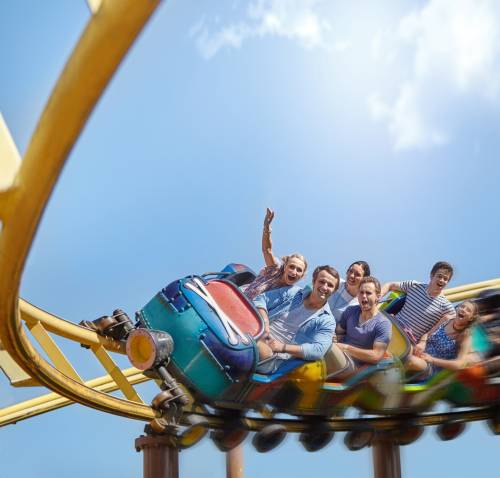
Amusement parks are designed to provide excitement, entertainment, and memorable experiences for families. Roller coasters, spinning rides, water attractions, and other high-speed rides can expose riders to rapid acceleration, sudden stops, changes in direction, and significant forces on the head and neck. Although most amusement-park visits do not result in serious injury, amusement rides can cause traumatic brain injuries (TBIs), concussions, bleeding inside the skull, and other neurological injuries when something goes wrong.
A recent series of lawsuits involving the X2 roller coaster at Six Flags Magic Mountain in California has brought renewed attention to the potential for serious brain injuries on high-intensity amusement rides. In September 2026, three lawsuits were filed alleging that riders suffered severe brain injuries after riding X2. The attorneys representing those plaintiffs also said that more than 100 additional people had contacted their firm alleging varying degrees of brain injury associated with the ride. These are allegations in pending litigation, not judicial findings. Six Flags has said it does not comment on pending litigation.
For people injured on amusement rides in Illinois, the consequences can extend far beyond the day at the park. A brain injury can affect memory, concentration, balance, speech, employment, relationships, and the ability to perform everyday activities. When an amusement ride accident causes a serious injury, determining what happened and who may be legally responsible can be critical.
“When someone goes to an amusement park, they expect to experience the excitement of a ride, not a life-changing brain injury. When a serious injury occurs, our job is to determine exactly what happened, preserve the evidence, and hold the responsible parties accountable when the facts and law support a claim.” — John J. Malm
How Amusement Rides Can Cause Brain Injuries
Roller coasters and other high-speed attractions subject riders to forces that can place substantial stress on the head and neck. A rider does not necessarily need to strike an external object to sustain a brain injury. Rapid acceleration, deceleration, rotation, or abrupt changes in direction can cause the head to move suddenly while the body is restrained. Potential mechanisms of injury include:
- The head striking a headrest, restraint, or other portion of the ride.
- Sudden acceleration or deceleration causing the head and neck to move violently.
- Rapid changes in direction or rotation.
- A malfunction or abnormal movement of the ride.
- Improperly maintained or adjusted restraints.
- A rider being improperly positioned or secured.
- An operator failing to follow safety procedures.
- A ride operating outside appropriate safety parameters.
- A medical emergency occurring during or immediately after the ride.
The precise mechanism matters because an injury investigation may require examining the ride’s design, maintenance records, inspection history, operating procedures, restraint system, employee training, and the circumstances of the particular incident.
Amusement Ride Injury Statistics
The U.S. Consumer Product Safety Commission’s National Electronic Injury Surveillance System provides useful information concerning injuries treated in hospital emergency departments. For 2023, CPSC estimated approximately 40,142 emergency-department-treated injuries associated with amusement attractions, including rides.
That figure includes many different types of amusement-attraction injuries and does not mean that 40,142 people suffered brain injuries. It does, however, demonstrate that amusement attractions generate a substantial number of emergency-department-treated injuries each year.
Research has also examined neurological injuries specifically. A 2025 study published in the American Journal of Emergency Medicine analyzed U.S. emergency-department data involving roller-coaster-related neurological injuries among people under 18 from 2004 through 2023. Researchers identified 274 cases in the database and estimated approximately 6,382 pediatric emergency-department visits nationally over the 20-year period, or about 319 annually. Head injuries accounted for 30.6% of the injuries identified, and 37% of reported head injuries resulted in concussions.
These numbers should be interpreted carefully. The study focused on children and adolescents and emergency-department visits, while the CPSC estimate covers amusement attractions more broadly. Neither statistic represents every amusement-ride injury or every brain injury.
The Recent Six Flags Magic Mountain X2 Lawsuits
The recent litigation involving Six Flags Magic Mountain illustrates how a seemingly ordinary amusement-park outing can have devastating consequences. According to a report published September 23, 2026, three people filed lawsuits alleging that they suffered traumatic brain injuries after riding the X2 roller coaster at Six Flags Magic Mountain in Valencia, California. The lawsuits name Six Flags and the ride’s manufacturer, S&S Worldwide.
One plaintiff, Pamela Guillen, allegedly became confused and disoriented after riding X2 in July 2026 and subsequently collapsed. Court filings state that she required emergency surgery for bleeding in her brain. Another plaintiff, Naomi Greer-Wilkinson, allegedly suffered massive bleeding inside her skull after riding the attraction and required emergency brain surgery. A third plaintiff, Michael Wilk, alleges that he developed severe headaches, dizziness, cognitive problems, and other symptoms before ultimately requiring multiple surgeries. These allegations remain subject to the litigation process.
The lawsuits follow earlier litigation involving X2. The Los Angeles Times reported in 2025 that the family of Christopher Hawley sued following his death in 2022 after he rode the attraction. The lawsuit alleged that Hawley sustained severe head trauma after riding X2.
The current litigation is particularly significant because the plaintiffs’ attorneys have publicly said that more than 100 other people have contacted their firm alleging brain injuries associated with X2. That number is an allegation from the plaintiffs’ attorneys and should not be treated as an independently established number of injuries.
What Are the Signs of an Amusement-Ride Brain Injury?
A person who suffers a brain injury may not immediately realize that something is seriously wrong. Some concussion and mild-TBI symptoms appear immediately, while others can develop hours or days after an injury. According to the CDC, possible symptoms include:
- Headaches.
- Dizziness or balance problems.
- Nausea or vomiting.
- Sensitivity to light or noise.
- Vision problems.
- Fatigue.
- Difficulty concentrating.
- Memory problems.
- Feeling slowed down or mentally foggy.
- Sleep disturbances.
- Irritability or emotional changes.
More serious symptoms require immediate medical attention. The CDC identifies worsening headaches, repeated vomiting, seizures, weakness or numbness, slurred speech, increasing confusion, unusual behavior, loss of consciousness, extreme drowsiness, and unequal pupils among the danger signs following a head injury. A person should not assume that symptoms are minor simply because they initially feel well after getting off a ride. If symptoms develop or worsen, prompt medical evaluation is important.
Serious Brain Injuries Can Have Long-Term Consequences
Traumatic brain injuries range from concussions to catastrophic injuries involving bleeding, swelling, loss of consciousness, neurological impairment, or permanent disability. A serious TBI may require emergency surgery, hospitalization, rehabilitation, occupational therapy, speech therapy, cognitive therapy, or long-term assistance with daily activities. The financial consequences can also be substantial. Depending on the severity of the injury, damages may include:
- Emergency medical treatment and hospitalization.
- Brain surgery and neurological treatment.
- Rehabilitation and therapy.
- Prescription medications and medical equipment.
- Lost wages.
- Reduced future earning capacity.
- Physical pain and suffering.
- Emotional distress.
- Cognitive impairment.
- Permanent disability.
- Loss of normal activities and quality of life.
- Costs associated with long-term care.
For some victims, the most significant consequence is not the initial hospital bill but the lasting effect of the injury on their ability to work and live independently.
Who May Be Responsible for an Amusement-Ride Brain Injury?
Determining liability requires an examination of the facts. Depending on the circumstances, potentially responsible parties may include the amusement-park operator, ride owner, ride manufacturer, maintenance contractors, operators, or other entities.
A claim may involve allegations such as negligent maintenance, inadequate inspection, defective design, defective components, improper operation, inadequate employee training, failure to warn, or failure to respond appropriately to known safety problems.
Illinois has regulations governing amusement rides and attractions. The Illinois Department of Labor states that an amusement-ride owner or manager must report a serious injury to the Department within 24 hours, with written confirmation required within 48 hours. Fatal accidents have additional reporting and investigation requirements. These requirements can make accident documentation particularly important after a serious amusement-ride injury.
Preserving Evidence After an Amusement-Ride Accident
Evidence can become critical when an amusement-ride injury results in litigation. A person injured on a ride or the injured person’s family should consider preserving information such as:
- The date and time of the incident.
- The name of the amusement park and specific ride.
- Ride tickets, admission records, or electronic receipts.
- Photographs and videos from the park.
- Photographs of visible injuries.
- Names and contact information for witnesses.
- Medical records and emergency-room documentation.
- Statements made by ride employees.
- Any incident report provided by the amusement park.
- Communications with the amusement park or its insurance company.
- Social-media posts or videos documenting the visit or incident.
An attorney may also need to investigate maintenance records, inspection records, ride-operation records, employee training, surveillance footage, prior incidents, manufacturer information, warnings, and other evidence that may not be available to an injured rider without legal action.
What Should You Do After a Suspected Brain Injury on a Ride?
Medical treatment should come first. Even when symptoms initially appear mild, a healthcare professional can evaluate the injury and determine whether additional testing or monitoring is appropriate. The CDC recommends contacting a healthcare provider when symptoms do not improve or become worse. Some people experience symptoms for months or longer after a mild TBI.
After receiving medical attention, it is important to document what happened. Avoiding speculation about the cause of the injury is also important. The underlying facts should be investigated through medical records, witness accounts, ride records, photographs, videos, and other available evidence.
FAQ About Brain Injuries From Amusement Rides
Can a roller coaster cause a concussion?
Yes. Research has documented concussions and other neurological injuries associated with roller-coaster rides. A concussion is a type of mild traumatic brain injury and can occur without a person losing consciousness.
Can you suffer a brain bleed from an amusement ride?
A traumatic event can cause bleeding inside the skull. A brain bleed can be a medical emergency. Anyone experiencing serious symptoms after a ride should seek immediate medical attention.
Can I sue an amusement park for a brain injury?
Potentially. Whether a claim exists depends on the facts, including how the injury occurred, whether negligence or a defective product contributed to the accident, applicable laws, and the evidence available to establish responsibility.
What if I signed a waiver before riding?
A waiver does not necessarily resolve every potential legal issue. The effect of a waiver depends on its language, the circumstances surrounding the injury, and applicable law. An attorney can review the specific document and facts.
What if the amusement park says I assumed the risk?
Amusement-park cases can involve complex questions concerning the risks a rider reasonably agreed to encounter and whether the injury resulted from an ordinary inherent risk or from conduct, conditions, equipment, or circumstances outside those risks. The specific facts are important.
How long do I have to bring an amusement-ride injury claim in Illinois?
The applicable deadline depends on the circumstances of the claim and the parties involved. Because missing a statutory deadline can prevent recovery, an injured person should have the claim evaluated promptly rather than waiting until the deadline approaches.
Contact the Experienced Illinois Injury Attorneys at John J. Malm & Associates After an Amusement-Ride Brain Injury
A brain injury from an amusement ride can change a person’s life in an instant. The recent litigation involving Six Flags Magic Mountain’s X2 roller coaster demonstrates why serious injuries associated with high-speed attractions deserve careful investigation. While the allegations in those cases remain contested, the reported injuries highlight the potential consequences when an amusement-ride accident results in a traumatic brain injury.
If you or someone you love suffered a concussion, brain bleed, traumatic brain injury, or other serious injury on an amusement ride, contact our to-rated Illinois personal injury lawyers. At John J. Malm & Associates, we investigate serious personal injury claims, work to preserve critical evidence, and pursue compensation for injured clients when another party’s negligence or other legal responsibility caused their injuries. Contact our firm after an amusement-ride accident to discuss what happened and learn about your legal options.