- Free Consultation: (630) 527-4177 Tap Here to Call Us
















10 Reasons Why E-Bikes Are Dangerous


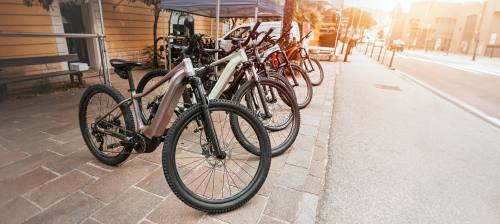
Electric bicycles (e-bikes) have transformed personal transportation across Illinois. They allow riders to travel farther, climb hills more easily, and commute without the physical demands of a traditional bicycle. As cities like Chicago, Naperville, Aurora, and surrounding suburbs continue expanding bike lanes and multi-use trails, e-bike popularity continues to grow.
However, this rapid increase in e-bike use has also resulted in a significant rise in serious accidents and injuries. Unlike traditional bicycles, many e-bikes can travel at speeds of 20 to 28 miles per hour, creating greater risks for riders, pedestrians, and motorists alike. Emergency rooms across the United States have reported dramatic increases in injuries involving electric bicycles, with many victims suffering traumatic brain injuries, fractures, spinal injuries, and fatalities.
If you or someone you love has been injured in an e-bike accident caused by a negligent driver, defective equipment, unsafe roadway conditions, or another party’s negligence, understanding these risks can help protect your rights.
“E-bike accidents often happen in an instant, but the injuries can affect victims for the rest of their lives. Whether your crash involved a negligent driver, defective equipment, or dangerous road conditions, a thorough investigation is critical to protecting your legal rights and maximizing your recovery. Our job is to help injured clients focus on healing while we handle the legal process.” — John J. Malm, Naperville bicycle accident attorney
E-Bike Injuries Are Increasing Nationwide
The popularity of electric bicycles has exploded over the past decade. According to the U.S. Consumer Product Safety Commission (CPSC), emergency departments treated approximately 53,200 micromobility-related injuries in 2022, including injuries involving e-bikes, e-scooters, and hoverboards. E-bike injuries accounted for a rapidly growing share of these cases.
Research published in JAMA Surgery found that e-bike injuries requiring emergency treatment increased by more than 30 times between 2017 and 2022, making them one of the fastest-growing categories of transportation injuries in the United States. Unfortunately, many riders underestimate how different an e-bike is from a conventional bicycle.
1. E-Bikes Travel Much Faster Than Traditional Bicycles
One of the biggest dangers is speed. Most traditional cyclists travel between 10 and 15 mph. By comparison:
- Class 1 e-bikes assist up to 20 mph.
- Class 2 e-bikes use a throttle and reach 20 mph.
- Class 3 e-bikes provide pedal assistance up to 28 mph.
Higher speeds reduce reaction time, increase stopping distances, and dramatically increase the force of impact during collisions. Research consistently shows that injury severity rises as vehicle speed increases.
2. Riders Often Underestimate Their Stopping Distance
Many new riders assume an e-bike stops like a traditional bicycle. It doesn’t. Higher speeds require:
- Longer braking distances
- Better brake maintenance
- Greater rider experience
- More awareness of road conditions
Wet pavement, gravel, leaves, railroad tracks, and potholes become much more hazardous at 25 mph than at 10 mph. Unexpected obstacles that might only cause a minor inconvenience on a standard bicycle can easily lead to a catastrophic crash on an e-bike.
3. Motorists Frequently Fail to See E-Bikes
Drivers often misjudge how quickly an e-bike is approaching. Motorists may:
- Turn left in front of an e-bike
- Pull into traffic unexpectedly
- Open vehicle doors into riders
- Change lanes without checking mirrors
Because drivers subconsciously expect bicycles to travel at traditional cycling speeds, they may incorrectly estimate how much time they have before entering an intersection. This creates dangerous “looked but failed to see” crashes.
4. E-Bikes Are Heavier and Harder to Control
Most traditional bicycles weigh between 20 and 30 pounds. Many electric bicycles weigh 50 to 80 pounds or more because of:
- Battery packs
- Electric motors
- Reinforced frames
The additional weight affects:
- Turning ability
- Emergency maneuvering
- Cornering
- Braking
- Crash dynamics
When riders lose control, recovering balance becomes significantly more difficult.
5. Serious Head Injuries Remain Common
Despite increased speeds, many e-bike riders still do not wear helmets. According to the CPSC and multiple trauma studies, head injuries remain among the most common serious injuries suffered in electric bicycle crashes.
Common injuries include:
- Concussions
- Skull fractures
- Brain bleeding
- Facial fractures
- Eye injuries
Even relatively low-speed crashes can result in permanent neurological damage.
6. Battery Fires and Defective Lithium-Ion Batteries Pose Additional Risks
Unlike traditional bicycles, e-bikes contain large lithium-ion batteries. Poorly manufactured batteries can experience:
- Thermal runaway
- Fires
- Explosions
- Electrical failures
The National Fire Protection Association (NFPA) and the CPSC have warned consumers about defective lithium-ion batteries, particularly those using uncertified charging equipment or aftermarket replacement batteries. Although battery fires remain relatively uncommon compared to collision injuries, when they occur they can produce devastating burns and property damage.
7. Riders Have Less Protection Than Drivers
Even though e-bikes can approach motorcycle speeds in some situations, riders have virtually no physical protection. Unlike occupants of passenger vehicles, cyclists lack:
- Seat belts
- Airbags
- Steel safety cages
- Side-impact protection
- Crumple zones
As a result, riders often suffer severe injuries even in relatively low-speed collisions. Common injuries include:
- Broken wrists
- Broken collarbones
- Hip fractures
- Pelvic fractures
- Rib fractures
- Internal bleeding
- Spinal cord injuries
8. Road Hazards Become Much More Dangerous
Road defects that might merely inconvenience a traditional cyclist can become catastrophic at e-bike speeds. Dangerous roadway conditions include:
- Potholes
- Uneven pavement
- Sewer grates
- Railroad crossings
- Construction debris
- Loose gravel
- Standing water
Government entities responsible for roadway maintenance may sometimes be liable if dangerous conditions contributed to a crash, although these claims often involve strict notice requirements and shorter filing deadlines.
9. Inexperienced Riders Are More Likely to Crash
Many first-time riders purchase an e-bike without realizing how quickly it accelerates. Unlike conventional bicycles:
- The motor delivers instant power.
- Acceleration occurs with less physical effort.
- Higher speeds feel deceptively easy.
- Riders may enter turns too quickly.
Older adults and individuals returning to cycling after many years may face an increased learning curve. Several studies have suggested that older riders account for a disproportionate share of serious e-bike injuries because of both higher speeds and increased vulnerability to fractures.
10. E-Bike Accidents Often Cause Catastrophic Injuries
The combination of increased speed, greater weight, and lack of occupant protection means e-bike crashes frequently result in severe injuries. Common catastrophic injuries include:
- Traumatic brain injuries
- Spinal cord injuries
- Multiple fractures
- Permanent nerve damage
- Internal organ injuries
- Severe road rash requiring skin grafts
- Wrongful death
These injuries often require:
- Emergency surgery
- Hospitalization
- Physical therapy
- Occupational therapy
- Long-term rehabilitation
- Future medical care
Medical expenses can quickly exceed hundreds of thousands of dollars.
Who May Be Responsible for an E-Bike Accident?
Liability depends on the circumstances surrounding the crash. Potentially responsible parties include:
- Negligent motorists
- Commercial truck drivers
- Distracted drivers
- Drunk drivers
- Property owners
- Government agencies
- Bicycle manufacturers
- Battery manufacturers
- Retailers
- Maintenance providers
A thorough investigation is often necessary to identify all responsible parties and preserve evidence before it disappears.
What Compensation May Be Available?
An injured e-bike rider may be entitled to recover compensation for:
- Medical expenses
- Future medical care
- Lost wages
- Reduced earning capacity
- Pain and suffering
- Emotional distress
- Permanent disability
- Scarring and disfigurement
- Loss of normal life
When another person’s negligence causes serious injuries, Illinois law allows victims to pursue damages through a personal injury claim.
Frequently Asked Questions about E-Bike Accidents
Are e-bikes more dangerous than traditional bicycles?
Generally, yes. Their higher speeds, increased weight, and faster acceleration increase the likelihood of serious injuries when accidents occur.
Should I wear a helmet on an e-bike?
Absolutely. Although Illinois does not require most adult cyclists to wear helmets, doing so significantly reduces the risk of traumatic brain injury.
Can I recover compensation if a driver caused my e-bike accident?
Yes. If another party’s negligence caused the collision, you may be entitled to compensation for medical bills, lost income, pain and suffering, and other damages.
What if my e-bike battery exploded?
If a defective battery caused your injuries, you may have a product liability claim against the manufacturer, distributor, or retailer.
How long do I have to file an e-bike injury lawsuit in Illinois?
Most personal injury claims in Illinois must be filed within two years of the date of the injury, although certain claims involving government entities may have different notice requirements and deadlines. Speaking with an attorney as soon as possible can help protect your rights.
Contact John J. Malm & Associates After an Illinois E-Bike Accident
As e-bikes become more common throughout Illinois, serious accidents are becoming increasingly frequent. While electric bicycles offer convenience and efficiency, they also expose riders to significant risks from negligent drivers, defective products, hazardous road conditions, and inexperienced operators. If you or a loved one has been injured in an e-bike accident, you should not have to shoulder the financial burden alone.
At John J. Malm & Associates, our experienced Illinois e-bike injury attorneys understand the unique legal and insurance issues surrounding e-bike accidents. We thoroughly investigate every case, work with accident reconstruction experts when necessary, and aggressively pursue compensation for medical expenses, lost wages, pain and suffering, and future damages. With decades of experience representing injury victims throughout Illinois, we are committed to helping clients obtain the justice they deserve. Contact John J. Malm & Associates today for a free consultation and learn how we can help you move forward after a serious e-bike accident.