

EXPERIENCED PERSONAL INJURY ATTORNEYS













Illinois Trip and Fall Accident Lawyers
5-Star Rated Attorneys for People Injured By Potholes and Cracked Sidewalks
Trip and fall accidents are among the most common causes of serious injuries in the United States. Although many people assume a trip and fall is a minor incident, these accidents frequently result in broken bones, traumatic brain injuries, spinal injuries, and long-term disability. Property owners, businesses, landlords, and municipalities have a legal duty to maintain reasonably safe premises for visitors, customers, tenants, and pedestrians. When they fail to correct dangerous conditions or warn people about hazards, they may be held liable for resulting injuries.
Trip and fall accidents can happen almost anywhere, including grocery stores, restaurants, parking lots, sidewalks, apartment complexes, office buildings, schools, and construction sites. Uneven flooring, cracked sidewalks, loose carpeting, poor lighting, debris, and hidden obstacles are all common causes of preventable falls.
According to the Centers for Disease Control and Prevention (CDC), falls are one of the leading causes of injury-related emergency room visits in the United States. Each year, approximately 3 million older adults are treated in emergency departments for fall injuries, and nearly 1 million are hospitalized. The National Safety Council reports that falls accounted for more than 47,000 deaths in 2023 and represented 21% of all preventable injury-related deaths nationwide.
What Is a Trip and Fall Accident?
A trip and fall accident occurs when a person’s foot strikes or becomes caught on an object or uneven surface, causing them to lose balance and fall forward. Unlike slip and fall accidents, which usually involve wet or slick surfaces, trip and fall incidents generally involve obstructions or dangerous walking conditions.
Common causes of trip and fall accidents include:
- Uneven sidewalks
- Cracked pavement
- Loose carpeting
- Raised flooring
- Broken stairs
- Cluttered walkways
- Exposed cords or wires
- Poor lighting
- Construction debris
- Ice or snow accumulation
- Damaged parking lots
- Potholes
- Unmarked elevation changes
Trip hazards can exist indoors or outdoors and are often the result of negligent maintenance or failure to inspect the property.
Common Locations for Trip and Fall Injuries
Trip and fall accidents frequently occur in areas with heavy foot traffic. Businesses and property owners are expected to inspect these areas regularly and address dangerous conditions promptly.
Common accident locations include:
- Grocery stores
- Retail stores
- Shopping centers
- Restaurants
- Hotels
- Apartment buildings
- Office buildings
- Sidewalks
- Parking garages
- Schools
- Nursing homes
- Hospitals
- Airports
- Stadiums
Public sidewalks and parking lots are especially dangerous when cracks, broken pavement, or debris create unexpected hazards for pedestrians.
Injuries Caused by Trip and Fall Accidents
A trip and fall accident can cause devastating injuries, particularly for older adults. Even a fall from standing height can produce life-changing harm.
Common injuries include:
- Broken wrists
- Hip fractures
- Knee injuries
- Shoulder injuries
- Torn ligaments
- Back injuries
- Herniated discs
- Neck injuries
- Facial injuries
- Dental injuries
- Traumatic brain injuries (TBIs)
- Concussions
- Spinal cord injuries
According to the CDC, falls are the leading cause of traumatic brain injuries among older adults. Hip fractures are also common in serious trip and fall cases. The CDC reports that approximately 319,000 older adults are hospitalized for hip fractures annually, with most caused by falls.
Many victims require:
- Emergency medical treatment
- Surgery
- Hospitalization
- Physical therapy
- Rehabilitation
- Pain management
- Assistive devices
- Long-term care
Some individuals never fully recover mobility or independence after a serious fall injury.
Why Older Adults Are Especially Vulnerable
Older adults face a significantly higher risk of catastrophic injuries after falls. Age-related balance problems, reduced bone density, and slower recovery times can make trip and fall accidents particularly dangerous.
The CDC reports:
- More than one in four adults age 65 and older falls each year
- Falls cause approximately 3 million emergency room visits annually
- Falls are the leading cause of fatal and nonfatal injuries among older adults
In many cases, a trip and fall accident may trigger a decline in health, independence, and quality of life for elderly victims.
Property Owner Responsibilities in Illinois
Under Illinois premises liability law, property owners and occupiers have a duty to maintain reasonably safe premises for lawful visitors. This includes inspecting for hazards, repairing dangerous conditions, and warning visitors about known dangers.
Property owners may be liable when they:
- Fail to repair uneven walkways
- Ignore broken stairs
- Allow debris to remain in walkways
- Fail to provide adequate lighting
- Neglect snow and ice removal
- Permit dangerous construction conditions
- Fail to warn visitors of hazards
To succeed in a trip and fall claim, the injured person generally must show:
- A dangerous condition existed
- The property owner knew or should have known about it
- The owner failed to correct or warn about the hazard
- The dangerous condition caused the injury
Evidence of prior complaints, maintenance records, inspection logs, or surveillance footage may help establish liability.
As Illinois dangerous property injury attorney John J. Malm explains: “Trip and fall accidents are often entirely preventable. Property owners who ignore dangerous walkways, broken pavement, poor lighting, or hidden hazards can be held accountable when someone suffers a serious injury.”
Sidewalk Trip and Fall Accidents
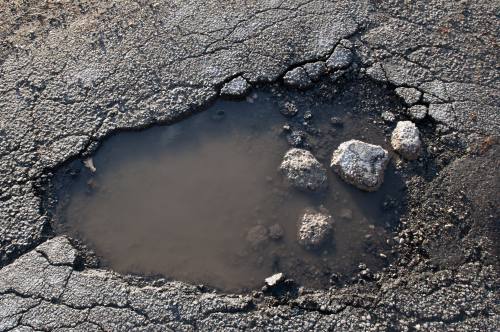
Sidewalk defects are a major source of trip and fall injuries in Illinois. Cracked pavement, raised concrete slabs, potholes, and tree root damage can create dangerous walking conditions for pedestrians.
Common sidewalk hazards include:
- Uneven concrete
- Cracks and holes
- Snow and ice accumulation
- Loose bricks
- Missing pavement sections
- Poor nighttime lighting
Liability for sidewalk injuries can depend on who owns or maintains the property. In some cases, municipalities may be responsible. In others, adjacent property owners or businesses may bear responsibility. Claims against government entities often involve special notice requirements and strict deadlines.
Trip and Fall Accidents in Stores and Businesses
Retail stores and commercial properties have a duty to maintain safe walking areas for customers. Businesses that fail to inspect and remove hazards may face premises liability claims.
Common retail trip hazards include:
- Merchandise left in aisles
- Loose floor mats
- Torn carpeting
- Electrical cords
- Broken flooring
- Poor lighting
- Boxes or stock items blocking walkways
Businesses are expected to conduct regular inspections and promptly correct dangerous conditions.
Construction Site Trip Hazards
Construction zones can present serious tripping dangers for workers and pedestrians alike.
Common construction-related trip hazards include:
- Loose cables
- Uneven surfaces
- Debris
- Tools left in walkways
- Trenches
- Temporary flooring
- Poorly marked hazards
Construction accidents may involve multiple liable parties, including:
- Contractors
- Subcontractors
- Property owners
- Equipment companies
Injured construction workers may have both workers’ compensation claims and third-party injury claims depending on the circumstances.
Compensation Available in a Trip and Fall Case
Trip and fall injuries can result in substantial financial and emotional losses. Victims may be entitled to compensation for both economic and non-economic damages.
Potential damages include:
- Medical expenses
- Future medical care
- Physical therapy costs
- Lost wages
- Loss of future earnings
- Pain and suffering
- Disability
- Emotional distress
- Loss of normal life
- Permanent scarring or disfigurement
The value of a case depends on factors including:
- Severity of injuries
- Need for surgery
- Permanent limitations
- Amount of medical treatment
- Impact on employment
- Long-term disability
Evidence That Can Help Prove a Trip and Fall Claim
Strong evidence is often critical in premises liability cases because dangerous conditions may be repaired shortly after an accident occurs.
Important evidence may include:
- Photographs of the hazard
- Surveillance video
- Witness statements
- Incident reports
- Medical records
- Maintenance logs
- Inspection records
- Prior complaints
- Expert testimony
Victims should report the incident immediately and seek medical attention as soon as possible.
Frequently Asked Questions About Trip and Fall Accidents
Q: What is the difference between a trip and fall and a slip and fall?
A: A trip and fall usually involves an object or uneven surface causing someone to stumble forward, while a slip and fall generally involves losing traction on a slippery surface.
Q: Can I sue if I tripped on a cracked sidewalk?
A: Possibly. Liability depends on who owned or maintained the sidewalk and whether they knew or should have known about the dangerous condition.
Q: How long do I have to file a trip and fall lawsuit in Illinois?
A: In most cases, Illinois allows two years from the date of the accident to file a personal injury lawsuit. However, claims against governmental entities involve shorter deadlines.
Q; Are trip and fall cases difficult to prove?
A: They can be challenging because property owners often deny knowledge of the hazard or blame the victim. Prompt investigation and evidence preservation are extremely important.
Contact the Experienced Illinois Trip and Fall Accident Attorneys at John J. Malm & Associates
Trip and fall accidents can leave victims facing painful injuries, mounting medical bills, lost income, and long-term physical limitations. Property owners and businesses have a legal duty to maintain safe premises and protect visitors from dangerous walking conditions. When they fail to repair hazards or warn people about unsafe conditions, innocent individuals can suffer serious and preventable injuries.
At John J. Malm & Associates, we represent victims injured in trip and fall accidents throughout Illinois, including cases involving cracked sidewalks, uneven pavement, dangerous stairways, retail store hazards, parking lot defects, and unsafe commercial properties. We thoroughly investigate premises liability claims, preserve critical evidence, and aggressively pursue compensation for injured clients and their families.
If you or a loved one suffered injuries in a trip and fall accident caused by unsafe property conditions, contact our office today for a free consultation to discuss your legal rights and potential claim.