

EXPERIENCED PERSONAL INJURY ATTORNEYS












Illinois Product Liability Claims Against Car Manufacturers
Experienced Injury Attorneys Hold Auto Manufacturers Accountable for Dangerous Vehicle Defects
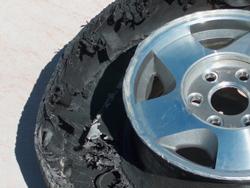
Every year, thousands of Americans are injured or killed because of dangerous vehicle defects that could have been prevented through safer design, manufacturing, or adequate warnings. While driver negligence causes many automobile accidents, some crashes occur because a vehicle or one of its components fails when it is needed most. Defective airbags, faulty brakes, steering failures, tire defects, electrical system malfunctions, and fuel system problems can all turn an otherwise survivable collision into a catastrophic event.
Under Illinois law, consumers have the right to pursue a product liability claim when a defective automobile or vehicle component causes injuries. Unlike a traditional negligence case against another driver, product liability claims focus on whether a vehicle was unreasonably dangerous when it left the manufacturer’s control. These cases often involve complex engineering issues, extensive expert testimony, and aggressive defense tactics from major automobile manufacturers.
According to the National Highway Traffic Safety Administration (NHTSA), manufacturers are required to report safety defects and initiate recalls when vehicles or equipment present an unreasonable risk to motor vehicle safety. NHTSA maintains thousands of active recalls and investigates consumer complaints involving potentially defective vehicles.
If you were injured because your vehicle failed to perform safely during a crash, the experienced Illinois product liability attorneys at John J. Malm & Associates can investigate whether a manufacturing defect, design defect, or inadequate warning contributed to your injuries.
“Automobile manufacturers have a responsibility to design and build vehicles that protect the people who rely on them every day. When a dangerous defect causes a serious injury, victims deserve answers, accountability, and full compensation. Our firm has the experience and resources to stand up to major manufacturers and fight for the justice our clients deserve.” — John J. Malm, Naperville defective product attorney
What Is Product Liability?
Product liability is an area of law that allows injured consumers to recover compensation when a defective product causes harm. In Illinois, product liability claims involving automobiles generally fall into three categories:
- Design defects
- Manufacturing defects
- Failure to warn or inadequate instructions
Illinois also has specific laws governing product liability actions, including statutes addressing claims against manufacturers and sellers of defective products. Unlike ordinary negligence claims, strict product liability does not always require proving that the manufacturer acted carelessly. Instead, the injured person generally must establish that the product was defective and that the defect proximately caused the injury.
Common Vehicle Defects That Lead to Illinois Product Liability Claims
Vehicle defects can affect nearly every major system in an automobile. Some of the most common include:
- Airbag failures
- Brake defects
- Steering failures
- Accelerator defects
- Transmission defects
- Tire failures
- Roof crush defects
- Seat belt failures
- Electrical fires
- Fuel system defects
- Defective batteries in electric vehicles
- Software and electronic control failures
- Defective backup cameras
- Malfunctioning Advanced Driver Assistance Systems (ADAS)
- Defective electric vehicles
Many of these defects have resulted in nationwide recalls affecting millions of vehicles.
Design Defects
A design defect exists when an automobile or component is inherently dangerous because of the way it was designed, not because something went wrong during manufacturing.
Examples include:
- SUVs with excessive rollover risk
- Vehicles with inadequate roof strength
- Fuel tanks positioned where they rupture during rear-end collisions
- Poorly designed child safety restraint anchors
- Brake systems that overheat under normal use
Every vehicle built using the same design may contain the same dangerous condition.
Manufacturing Defects
Manufacturing defects occur when a mistake happens during production. Examples include:
- Defective welds
- Missing bolts
- Improperly assembled steering components
- Contaminated brake fluid
- Faulty airbags
- Cracked suspension parts
Unlike design defects, manufacturing defects usually affect only certain production batches rather than every vehicle of that model.
Failure to Warn
Manufacturers also have a duty to provide adequate warnings about known dangers. Failure-to-warn claims may involve:
- Missing warning labels
- Inadequate owner’s manuals
- Failure to disclose known safety hazards
- Failure to notify owners after discovering defects
Sometimes manufacturers become aware of safety issues long before issuing recalls.
Common Defective Vehicle Components
Some of the most frequently litigated automobile defects include:
Airbags
Defective airbags may:
- Fail to deploy
- Deploy without impact
- Deploy with excessive force
- Send metal fragments into occupants
The Takata airbag recall remains one of the largest automotive recalls in U.S. history.
Brakes
Brake defects may involve:
- Hydraulic failures
- Brake booster defects
- ABS failures
- Premature brake wear
Brake failures often result in high-speed collisions with devastating injuries.
Steering Systems
Steering defects may cause:
- Loss of vehicle control
- Sudden steering lock
- Electronic steering failure
- Separation of steering components
Loss of steering at highway speeds frequently results in catastrophic crashes.
Vehicle Recalls and Their Effect on Illinois Product Liability Claims
One of the first questions many injured drivers ask is whether a vehicle recall automatically means they have a successful lawsuit against the manufacturer. The answer is not necessarily, but a recall can be powerful evidence that a defect existed.
The National Highway Traffic Safety Administration (NHTSA) oversees vehicle safety recalls in the United States. When a manufacturer or NHTSA determines that a vehicle or vehicle component contains a defect that creates an unreasonable risk to motor vehicle safety or fails to meet federal safety standards, the manufacturer must notify owners and provide a free remedy, which typically includes a repair, replacement, or refund. NHTSA has overseen recalls involving millions of vehicles for defects affecting airbags, brakes, steering systems, fuel systems, electrical components, and software.
A recall does not automatically establish legal liability because an injured person must still prove that:
- The recalled defect existed in their vehicle.
- The defect caused or contributed to the accident or injuries.
- The defect existed when the vehicle left the manufacturer’s control.
Even if no recall has been issued, injured consumers may still have a valid product liability claim. Manufacturers sometimes discover defects only after numerous crashes occur, and some dangerous defects never result in nationwide recalls.
Does the Lack of a Recall Prevent a Lawsuit?
No. Many successful Illinois product liability cases have involved dangerous defects that were never formally recalled. Manufacturers often argue that because no recall exists, no defect exists. However, recalls are frequently issued only after:
- Numerous consumer complaints
- Multiple lawsuits
- Fatal crashes
- Government investigations
- Independent engineering analyses
In many cases, civil litigation uncovers internal company documents showing that manufacturers knew about safety problems years before notifying consumers.
Illinois Strict Product Liability Law
Illinois follows the doctrine of strict product liability, which is particularly important in vehicle defect cases. Unlike ordinary negligence claims, strict liability focuses primarily on the condition of the product rather than the conduct of the manufacturer.
Generally, an injured person must prove:
- The vehicle or component was unreasonably dangerous.
- The defect existed when it left the manufacturer’s control.
- The defect caused the plaintiff’s injuries.
- The product was being used in a reasonably foreseeable manner.
Illinois courts have long recognized strict liability claims involving defective automobiles because manufacturers are in the best position to design and produce safe vehicles.
Negligence Versus Strict Liability
Many automobile defect lawsuits include both negligence and strict liability claims. Negligence focuses on whether the manufacturer acted unreasonably. Examples include:
- Failing to conduct adequate crash testing
- Ignoring known engineering problems
- Delaying necessary recalls
- Using substandard materials
- Failing to investigate consumer complaints
Strict liability, however, asks a different question: Was the vehicle defective and unreasonably dangerous? The plaintiff often does not have to prove exactly how the manufacturer was careless if the defective condition itself can be established.
Breach of Warranty Claims
Some Illinois automobile product liability cases also involve breach of warranty claims. Possible warranties include:
- Express warranties
- Implied warranty of merchantability
- Implied warranty of fitness for a particular purpose
For example, if a manufacturer represents that its braking system meets certain safety standards but the system contains a dangerous defect, warranty claims may supplement strict liability and negligence causes of action.
Who Can Be Held Liable?
Vehicle defect cases often involve multiple defendants. Potentially responsible parties include:
- Automobile manufacturers
- Parts manufacturers
- Airbag manufacturers
- Tire manufacturers
- Electronics suppliers
- Vehicle distributors
- Dealerships (in certain situations)
- Repair facilities whose negligent work contributed to the defect
Large automotive manufacturers frequently rely upon hundreds of outside suppliers to manufacture critical safety components. If one of those suppliers produces a defective part, both the supplier and vehicle manufacturer may face liability.
Examples of Defective Vehicle Components
Nearly every major vehicle system has been the subject of product liability litigation. Some examples include:
Airbags
Airbags save thousands of lives every year. However, defective airbags may:
- Fail to deploy
- Deploy unexpectedly
- Deploy too late
- Deploy with excessive force
- Propel metal fragments toward occupants
According to NHTSA, frontal airbags have saved more than 50,000 lives since their widespread introduction into passenger vehicles. When airbags fail, the injuries can be catastrophic.
Seat Belts
Seat belt defects may involve:
- Buckles that unlatch during crashes
- Webbing failures
- Retractor failures
- Poor anchoring systems
A defective restraint system can dramatically increase the severity of injuries during otherwise survivable collisions.
Brake System Failures
Brake-related defects remain one of the most dangerous automotive failures. Potential problems include:
- Hydraulic leaks
- Defective master cylinders
- Brake booster failures
- Electronic braking malfunctions
- ABS software defects
Loss of braking ability often results in high-speed rear-end crashes or intersection collisions.
Steering Defects
Modern vehicles rely heavily on electronic steering components. Failures may involve:
- Power steering loss
- Steering rack failures
- Broken tie rods
- Steering column defects
- Electronic steering software failures
Sudden steering loss can leave drivers unable to avoid obstacles or maintain their lane of travel.
Tire Defects
Defective tires may experience:
- Belt separation
- Sidewall failures
- Blowouts
- Manufacturing contamination
- Improper tread adhesion
At interstate speeds, tire failures frequently cause rollover accidents or multi-vehicle crashes.
Roof Crush Defects
SUVs and pickup trucks involved in rollover accidents sometimes experience roof collapse. When roofs fail to maintain adequate occupant survival space, victims may suffer:
- Traumatic brain injuries
- Spinal cord injuries
- Neck fractures
- Permanent paralysis
Federal Motor Vehicle Safety Standard 216 establishes minimum roof crush resistance requirements for passenger vehicles.
Fuel System Defects
Poorly designed fuel systems can lead to:
- Post-collision fires
- Explosions
- Fuel leaks
- Thermal burns
These cases often involve allegations that manufacturers could have adopted safer alternative fuel tank designs.
Electric Vehicle Battery Defects
As electric vehicles become increasingly common, product liability claims involving lithium-ion battery systems are becoming more frequent. Potential defects include:
- Thermal runaway
- Battery fires
- Charging system failures
- Electrical shock hazards
- Battery enclosure defects
Although EV fires remain relatively uncommon, battery-related failures can be extremely difficult for emergency responders to extinguish once ignition occurs.
Advanced Driver Assistance System (ADAS) Defects
Modern vehicles increasingly rely on software. Potential claims involve:
- Automatic emergency braking failures
- Lane-keeping assist malfunctions
- Adaptive cruise control failures
- Blind-spot monitoring defects
- Collision avoidance software errors
Manufacturers have a duty to adequately design, test, and warn consumers about the limitations of these technologies.
Evidence Is Critical
Unlike ordinary car accident cases, product liability claims often require preservation of the defective vehicle before repairs or salvage occur. Important evidence includes:
- The vehicle itself
- Event Data Recorder (“black box”) data
- Airbag control module downloads
- Crash scene photographs
- Police reports
- Maintenance records
- Recall notices
- Engineering inspections
- Expert reconstruction reports
- Manufacturer service bulletins
Failing to preserve the vehicle can significantly affect the ability to prove a defect.
Catastrophic Injuries and Enhanced Injury Claims
Not every vehicle defect causes the accident itself. Sometimes, the defect makes the injuries substantially worse. These cases are often referred to as “crashworthiness” or “enhanced injury” claims.
For example:
- A driver is involved in a survivable rear-end collision.
- A defective fuel tank ruptures.
- The vehicle catches fire.
- The occupant suffers life-threatening burns.
The manufacturer’s liability may be based not on causing the initial collision, but on manufacturing a vehicle that failed to adequately protect its occupants during a foreseeable crash. Illinois courts recognize crashworthiness claims because manufacturers have a duty to design vehicles that reasonably protect occupants during accidents.
How Product Liability Cases Are Investigated
Unlike a typical automobile negligence case, product liability lawsuits require extensive technical investigation. Immediately after being retained, an experienced Illinois product liability attorney may work to preserve:
- The damaged vehicle
- Vehicle electronic data
- Airbag control modules
- Crash scene evidence
- Event Data Recorder (EDR) information
- Tire remnants
- Defective components
- Maintenance records
If the vehicle is destroyed, repaired, or salvaged before inspection, important evidence may be permanently lost. For this reason, injured victims should contact an attorney as soon as possible after an accident involving a suspected vehicle defect.
The Importance of Expert Witnesses
Vehicle defect litigation almost always requires expert testimony.
Experts may include:
- Mechanical engineers
- Automotive engineers
- Biomechanical engineers
- Human factors specialists
- Accident reconstruction experts
- Metallurgists
- Fire investigators
- Electrical engineers
These experts analyze whether the vehicle met accepted engineering standards and whether a safer alternative design existed.
For example, an engineer may determine that:
- An airbag sensor should have deployed sooner.
- A roof should have withstood rollover forces.
- A seat belt buckle failed because of a manufacturing defect.
- A steering component fractured due to defective metal.
Their testimony often becomes one of the most important parts of a product liability lawsuit.
Common Defenses Raised by Automobile Manufacturers
Major automobile manufacturers aggressively defend product liability claims. Some common defenses include:
Driver Error
Manufacturers frequently argue that:
- The driver caused the crash.
- Excessive speed caused the injuries.
- Distracted driving, not the defect, was responsible.
- The accident would have occurred regardless of the alleged defect.
Even if driver negligence contributed to the collision, the manufacturer may still be liable if a defective vehicle increased the severity of the injuries.
Product Misuse
The manufacturer may claim the vehicle was:
- Improperly modified
- Poorly maintained
- Used for unintended purposes
- Driven after unauthorized repairs
Illinois law generally requires that the product be used in a reasonably foreseeable manner.
Comparative Fault
Illinois follows a modified comparative negligence rule. If the injured person is found partially responsible, damages may be reduced in proportion to their percentage of fault. However, being partially responsible for the accident does not necessarily eliminate a product liability claim if the defect also contributed to the injuries.
No Defect Existed
Manufacturers often argue:
- The vehicle met all federal safety standards.
- No engineering defect existed.
- The component functioned as intended.
- The accident was too severe for any vehicle to protect occupants.
Experienced product liability attorneys frequently retain independent engineering experts to evaluate these claims.
Frequently Asked Questions about Product Liability Claims against Car Manufacturers
What is a vehicle product liability claim?
A vehicle product liability claim is a lawsuit alleging that a defective automobile or vehicle component caused or contributed to an injury. These claims may involve design defects, manufacturing defects, or inadequate warnings.
Can I sue if my vehicle was recalled?
Yes. A recall may strengthen your case, but it is not required to file a product liability claim. Many successful lawsuits involve defects that had not yet been recalled.
What if another driver’s negligence caused the accident?
You may still have a product liability claim if a vehicle defect made your injuries worse. Illinois law recognizes crashworthiness or enhanced injury claims in these situations.
Do I need an expert witness?
In most product liability cases, yes. Engineering, accident reconstruction, and biomechanics experts are often necessary to establish the existence of a defect and explain how it caused the injuries.
What compensation can I recover?
You may be entitled to compensation for medical expenses, lost wages, future care, pain and suffering, disability, loss of normal life, property damage, and, in fatal cases, wrongful death damages.
How much does it cost to hire a product liability lawyer?
John J. Malm & Associates handles product liability cases on a contingency fee basis, meaning you generally pay no attorney’s fees unless your case is successfully resolved.
Contact the Top Illinois Product Liability Attorneys at John J. Malm & Associates Today
Automobile manufacturers have a legal obligation to design and produce vehicles that are reasonably safe for consumers. When defective airbags, brakes, steering systems, seat belts, tires, or other vehicle components fail, the consequences can be devastating. Product liability claims against major car manufacturers are often highly technical and aggressively defended, making it essential to have experienced legal counsel on your side.
At John J. Malm & Associates, our Illinois product liability attorneys have the knowledge, resources, and determination to investigate complex vehicle defect cases, work with leading engineering experts, and pursue maximum compensation for injured victims and their families. If you believe a defective automobile or vehicle component contributed to your injuries, contact our office today for a free consultation. We will evaluate your case, explain your legal options, and fight to hold negligent manufacturers accountable.