

EXPERIENCED PERSONAL INJURY ATTORNEYS











Illinois Slingshot Accident Lawyers
Trusted Injury Attorneys for Victims of Crashes in 3-Wheel Vehicles
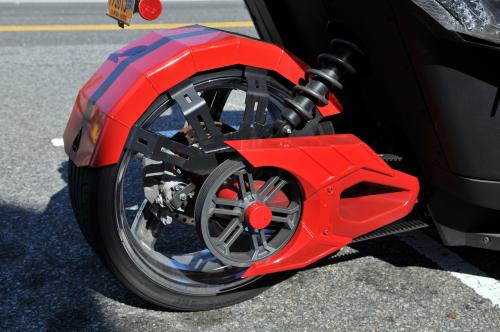
The Polaris Slingshot has gained popularity over the past decade as a unique, open-air “moto-roadster” that combines the sporty feel of a motorcycle with the visual cues of a convertible car. Despite its exciting performance and distinctive design, this three-wheeled vehicle presents unique safety and legal risks. Accidents involving Slingshot vehicles often result in serious injuries due to design, classification, and protective feature limitations.
“Slingshot crashes frequently leave survivors facing life-changing injuries, not just hospital bills, but years of rehabilitation and lost wages. If you or a family member was hurt in one of these collisions, get your medical needs stabilized first, then preserve evidence and speak with an attorney who understands both product-defect and injury claims. The right legal team can make sure you’re not left paying for someone else’s mistake.” — John J. Malm, Naperville car accident lawyer
What Is a Slingshot Vehicle?
The Polaris Slingshot is a three-wheeled motor vehicle manufactured by Polaris Industries. It features two wheels in the front and a single rear wheel, a low-slung, open cockpit, and side-by-side seating, similar to a car, but it is typically classified as a motorcycle under federal and state regulations.
Key characteristics include:
- Three-wheeled configuration (two front, one rear)
- Open cockpit with no roof or doors
- Side-by-side seating for driver and passenger
- Usually registered as a motorcycle or autocycle in most jurisdictions, affecting licensing and safety requirements
Because of its classification and design, Slingshot vehicles do not offer the same passive safety features (like airbags or a fully enclosed cabin) that passenger cars provide, which increases the risk of severe injuries in traffic accidents.
Why Slingshot Accidents Can Be Severe
Accidents involving Slingshot vehicles often result in more serious injuries than many car crashes. Several key risk factors include:
Design and Protection Limitations
- Lack of an enclosed cabin or crumple zones means occupants receive minimal protective shielding compared to standard cars.
- Higher exposure to roadway hazards (objects, other vehicles) due to the open cockpit.
- Three-wheel handling dynamics are distinct from four-wheeled vehicles and can make sudden maneuvers or loss of control more likely under certain conditions.
Regulatory Classification
- Slingshots are often labeled as motorcycles or autocycles, meaning they are not subject to the same safety standards as cars, including crash testing and occupant protection mandates.
- This classification also influences rules about helmet requirements and equipment standards, depending on the jurisdiction.
Mechanical and Recall-Driven Issues
Various recalls and safety investigations affecting Polaris Slingshot vehicles highlight ongoing safety concerns:
- Seatbelt and seat slider recalls on early models potentially increasing risk of loss of control or occupant injury.
- Seatbelt retractor failures were part of NHTSA investigations after at least one fatal crash involving ejection of a driver.
- Rear wheel and wheel stud issues have led to recalls for 2020 and 2021 models due to potential wheel detachment, escalating accident risk.
- Rear camera image freeze issues could reduce visibility when backing, increasing crash risk.
Even when no incidents have been directly linked to certain recall vehicles, these interventions underscore the potential for mechanical or software problems that could contribute to collisions.
Slingshot and Motorcycle Crash Statistics
Because Slingshot vehicles are typically classified as motorcycles, crash statistics for motorcycles are the most relevant national data available.
Motorcycle Crash Data
- In 2023, there were an estimated 6,335 motorcyclist fatalities in the U.S., the highest number ever recorded, and an increase of about 26% since 2019.
- Motorcyclists accounted for 15% of all traffic deaths in 2023, despite representing a small share of vehicles and total miles traveled.
- Per 100 million vehicle miles traveled, the motorcycle fatality rate (31.39) was nearly 28 times higher than the passenger car occupant fatality rate (1.13).
Relevance to Slingshot Vehicles
Although specific Slingshot crash data is not aggregated nationally in the same way, these motorcycle statistics provide context for the elevated risk profile that three-wheeled, open-cockpit vehicles share with traditional two-wheel motorcycles.
- Motorcycle crashes are far more likely to result in serious injury or death than car accidents.
- Vehicles classified as unenclosed autocycles (like Slingshots) appear in limited far smaller subsets of vehicle classification crash datasets, but their inherent exposure and lack of protective structure suggest similar or greater risk than conventional motorcycle categories.
Common Causes of Slingshot Accidents
Slingshot crashes can arise from multiple causes, many shared with motorcycle and car accidents:
Driver Error and Behavior
- Loss of control in sudden maneuvers is more likely due to the unique three-wheel handling.
- Excessive speed or reckless driving increases the risk of sliding, rollovers, or collision.
- Distracted or impaired driving affects Slingshot drivers and other motorists similarly to other traffic accidents.
Visibility and Recognition Issues
- Slingshot vehicles are narrower and lower than most cars, making them harder for other roadway users to see, especially in poor lighting.
- Drivers of larger vehicles might fail to notice a Slingshot in adjacent lanes, contributing to sideswipe and lane-change collisions.
Environmental Conditions
- Wet or slick roads make three-wheel vehicles more susceptible to traction loss due to the single rear wheel.
- Gravel, debris, or uneven surfaces can destabilize lightweight or three-wheel vehicles.
Common Injuries in Slingshot Accidents
Due to the open design and lack of robust occupant protection, injuries in Slingshot crashes can be especially severe:
- Head and spinal cord injuries
- Traumatic brain injuries (TBIs)
- Fractures and limb amputation injuries
- Internal organ damage
- Road rash and open-wound trauma
- Psychological trauma and long-term disability
These injury patterns are similar to or worse than typical motorcycle crash injury outcomes, translating into lengthy hospital stays, extensive rehabilitation, and significant financial impacts on victims and families.
Frequently Asked Questions About Slingshot Accidents
Q: Are Slingshot vehicles legally considered cars?
A: No. Slingshots are typically classified as motorcycles or autocycles, not passenger cars, affecting safety standards and legal requirements.
Q: Does insurance treat Slingshot crashes like car or motorcycle accidents?
A: Insurance treatment varies, but because Slingshots are often classified as motorcycles, policies and coverage obligations can resemble motorcycle insurance more than car insurance.
Q: Do helmet laws apply to Slingshot drivers?
A: Helmet requirements depend on how the vehicle is classified in a given state and whether riders are considered motorcycle operators. Always use a DOT-approved helmet regardless of local laws for safety.
Q: Can defects or recalls be part of a Slingshot accident claim?
A: Yes. When mechanical defects or design issues contribute to a crash, victims can pursue legal claims against manufacturers or suppliers.
Q: What should I do if I’m injured in a Slingshot accident?
A: Seek immediate medical care, preserve evidence, document the crash scene, and contact a knowledgeable Illinois injury attorney experienced with three-wheel vehicle and motorcycle crash claims.
Contact the Top Illinois Slingshot Accident Attorneys at John J. Malm & Associates
Slingshot accidents often involve severe injuries due to inherent vehicle limitations, classification anomalies, and crash dynamics. Whether your injuries stemmed from another motorist’s negligence, a defective component, or hazardous road conditions, you should not be left to shoulder the financial and emotional burdens alone.
Contact John J. Malm & Associates today for a free case evaluation. Our Illinois motorcycle injury attorneys understand the complexities of Slingshot and other three-wheel vehicle accident litigation. We’ll help you pursue compensation for medical bills, lost wages, pain and suffering, and other damages so you can focus on recovery while we handle the legal fight.