

EXPERIENCED PERSONAL INJURY ATTORNEYS














Chronic Pain After an Injury Accident in Illinois
Illinois Attorneys for Injury Victims Who Develop Chronic Pain
Chronic pain is one of the most common and damaging long-term consequences of a personal injury accident. What begins as an acute injury: a damaged disk, fractured bone, soft-tissue sprain, or nerve trauma can evolve into persistent pain that lasts months or years, reduces quality of life, complicates medical care, and creates serious financial hardship.
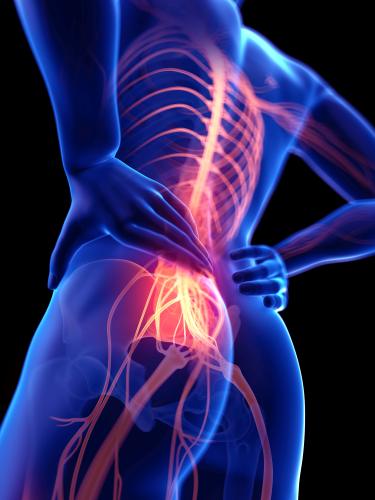
At John J. Malm & Associates, we understand that a personal injury does not end when the casts come off or the emergency room visit is over. For many accident victims, the real struggle begins weeks or months later, when chronic pain interferes with work, family life, and basic daily activities. Our Illinois injury attorneys have extensive experience representing clients whose injuries led to long-term or permanent pain, and we know how insurance companies attempt to downplay these claims. We combine thorough legal advocacy with a deep understanding of the medical and financial realities of chronic pain to pursue full and fair compensation for our clients and help them move forward with dignity and security.
“Chronic pain after an accident can be invisible but devastating. The right combination of medical care, documentation, and legal advocacy makes a real difference in recovery and in securing the resources a person needs to rebuild their life.” — John J. Malm, Naperville personal injury attorney
What is Chronic Pain?
Clinically, chronic pain is most often defined as pain that persists for three months or longer after the initial injury or illness. A related concept, high-impact chronic pain, denotes pain that not only persists but substantially limits work, social, or self-care activities. Recognition of the duration and the functional impact distinguishes chronic pain from normal, expected healing after an injury and guides treatment choices and disability assessments. The Centers for Disease Control and Prevention (CDC) reported that in 2023, about 24.3% of U.S. adults had chronic pain, and 8.5% had high-impact chronic pain.
How Often Does Chronic Pain Develop After a Traumatic Injury?
Not every injury becomes chronic, but the risk is higher after certain traumatic events:
- Studies of major trauma survivors show very high rates of persistent pain: one long-term trauma study found that about 62.7% of major-trauma patients reported injury-related pain at 12 months.
- Car accidents are a frequent cause of chronic pain. Prospective studies of people treated in the emergency department after a crash report that 12–27% of patients continue to report clinically meaningful pain at 6–24 months, depending on the cohort and outcome measured. Some studies find nearly one in four patients with persistent widespread pain months after a crash.
- Broader trauma literature indicates that a substantial proportion, often described as roughly two-thirds in some cohorts, of patients with significant injuries go on to experience chronic pain or chronic pain syndromes. Early pain intensity, pre-existing pain, and psychological factors predict persistence.
These figures show that chronic pain following an accident is common enough to be a predictable risk, not a rare complication.
Why Does an Injury Become Chronic Pain?
Chronic pain after an injury is the result of complex, interacting biological and psychosocial mechanisms:
- Tissue damage and nerve injury: Direct injury to nerves, discs, or soft tissues can produce ongoing nociceptive or neuropathic pain signals.
- Central sensitization: Repeated or intense pain input can alter the nervous system so that the brain and spinal cord amplify pain signals (a process often called sensitization). Once established, it can persist even when tissue healing is largely complete.
- Psychological and social factors: Post-traumatic stress, anxiety, depression, catastrophizing, poor sleep, and social isolation all worsen pain perception and predict chronicity.
- Behavioral and functional changes: Reduced activity, muscle deconditioning, and maladaptive movement patterns can sustain pain.
- Secondary medical complications: Infection, poor fracture healing, unresolved soft-tissue injury, and osteoarthritis development can create ongoing sources of nociception.
Recognizing these mechanisms is important because successful treatment and legal evaluation require attention to both the physical injury and the broader biopsychosocial drivers of chronic pain.
Common Types and Presentations of Chronic Pain After Accidents
Victims of personal injury accidents commonly experience:
- Chronic low back pain (disc injuries, facet arthropathy, paraspinal muscle dysfunction).
- Neck pain and radiculopathy following whiplash or cervical trauma.
- Post-traumatic headaches (often after head injury or whiplash).
- Post-surgical chronic pain (when surgery for an acute injury produces persistent pain).
- Neuropathic pain (numbness, burning, electric sensations) when nerves are injured.
- Widespread pain syndromes (in some patients, localized injury evolves into diffuse pain and sensitivity).
Symptoms vary in character (sharp, burning, aching), in distribution, and in the degree to which they limit daily function. Objective testing (imaging, nerve conduction studies) only partially explains the patient’s experience in many cases, which is why clinical documentation and functional assessment are essential.
The Human and Economic Cost of Chronic Pain
Chronic pain is costly to patients and to society:
- Recent economic analyses estimate the total annual economic cost of chronic pain in the United States at hundreds of billions of dollars. A 2021 evaluation put the cost at approximately $722.8 billion in direct medical costs and lost productivity. Individuals with chronic pain have substantially higher medical expenditures and productivity losses compared with those without chronic pain.
- On an individual level, people with chronic pain can incur thousands of dollars in additional annual medical expenses; one recent analysis reported average additional annual medical expenditures in the range of several thousand dollars per person for those with chronic pain.
Beyond dollars, chronic pain erodes quality of life, increases the risk of depression and anxiety, can impair relationships and employment, and, in the most severe cases, contributes to opioid misuse and suicide risk. Early, coordinated care is therefore both a clinical and economic imperative.
Diagnosis of Chronic Pain After an Accident
Accurate diagnosis and documentation are essential for effective treatment and for any legal claim:
- Medical history and timeline: Record symptom onset, how pain changed over time, prior pain history, and treatments tried.
- Objective findings: Imaging (X-ray, MRI, CT) and electrodiagnostic testing may identify structural causes or nerve injury, though many chronic pain conditions have limited correlation with imaging.
- Functional assessment: Document limitations, such as the inability to work, perform household tasks, drive, or care for children. Use validated tools (pain scales, Oswestry Disability Index, Neck Disability Index) where appropriate.
- Psychological screening: Evaluate for depression, anxiety, PTSD, and pain catastrophizing; these influence treatment and prognosis.
- Treatment response: Carefully record what helps and what does not; an inconsistent response to standard care suggests the need for multidisciplinary evaluation.
Thorough documentation from the earliest post-injury contacts is one of the best ways to preserve evidence of causation and to guide treatment plans.
Treatment Approaches
Chronic pain is usually best treated with a multidisciplinary approach combining medical, physical, and psychological therapies:
Medical interventions:
- Analgesic medications (acetaminophen, NSAIDs, where appropriate).
- Neuropathic agents (gabapentin, duloxetine) for nerve-type pain.
- Careful, limited use of opioids when benefits outweigh risks and under specialist supervision.
Interventional procedures:
- Epidural steroid injections, facet injections, nerve blocks, radiofrequency ablation, and targeted nerve interventions can provide relief for select patients.
Rehabilitation and physical medicine:
- Physical therapy focused on graded activity, posture, strengthening, and movement retraining.
- Occupational therapy to restore function and adapt tasks.
Behavioral and psychological care:
- Cognitive behavioral therapy (CBT), acceptance and commitment therapy (ACT), and pain-coping skills training reduce disability and improve coping.
- Sleep hygiene, stress reduction, and mindfulness therapies.
Complementary approaches:
- Acupuncture, massage, and some lifestyle measures (exercise, weight management, anti-inflammatory diet) can be useful adjuncts for some patients.
Because the causes and contributors to chronic pain vary, individualized combinations of treatments are often required; a one-size-fits-all strategy usually fails.
What Injured People Should Do to Protect Their Health and Their Legal Claim
If chronic pain develops after a personal injury accident, take deliberate steps to protect your recovery and any potential claim:
- Seek and follow medical care early and consistently: Delays and gaps in care weaken both recovery and later legal arguments about causation and severity.
- Document everything: Keep a pain diary, treatment notes, receipts, prescriptions, and records of missed work. Photographs of injuries and contemporaneous notes are valuable.
- Preserve evidence: Save clothing, equipment (seatbelt, helmet), medical records, and witness contact information.
- Request appropriate referrals: If your primary care or emergency visit does not resolve pain, ask for referral to pain medicine, orthopedics, neurology, or physiatry as appropriate.
- Manage mental health: Early treatment of depression, anxiety, or PTSD improves pain outcomes.
- Be cautious with statements: Avoid detailed admissions on social media or casual statements that might be used to minimize your pain or activity limitations.
- Contact an Illinois personal injury attorney experienced in chronic-injury claims: Early legal consultation helps preserve evidence, coordinates medical-legal documentation, and protects against premature or undervalued insurance settlement offers.
These practical steps both promote better medical outcomes and protect entitlement to compensation for past and future losses.
Special Legal and Insurance Issues in Chronic Pain Cases
Chronic pain cases often present distinct legal challenges:
- Causation disputes: Insurers commonly argue that pre-existing conditions or degenerative changes, not the accident, explain chronic pain. Thorough medical records, pre-injury baseline documentation (if available), and expert opinions are critical.
- Proof of future needs: Chronic pain may require ongoing therapy, interventional procedures, assistive devices, or home modifications. Accurate life-care plans and expert testimony help quantify future damages.
- Vocational impact: Loss of earning capacity claims require vocational evaluation and documentation of how pain limits work.
- Settlement timing: Because chronic pain can evolve, premature settlement may leave future costs uncovered. Conversely, delaying a reasonable claim can be difficult for injured parties who need funds now; experienced counsel can negotiate structured settlements or reserves.
- Policy limits and exclusions: Some homeowner or automobile policies have limits. If a negligent party lacks sufficient insurance, other sources (underinsured/uninsured motorist coverage) may be necessary.
An attorney with experience in chronic pain and catastrophic injury can coordinate medical experts and economic analyses to build the strongest possible claim.
Frequently Asked Questions about Chronic Pain After an Accident
Q: How long must pain last to be considered chronic?
A: Clinically, pain that persists three months or longer after the injury is usually considered chronic. Functional impact (how much it limits daily life) is also an important factor.
Q: Can chronic pain be caused by a soft-tissue injury that showed nothing on X-ray?
A: Yes. Soft-tissue injuries, nerve irritation, and central sensitization can produce persistent pain even when plain imaging is normal. Further evaluation (MRI, electrodiagnostic testing, clinical functional assessment) is often necessary.
Q: Will my insurance automatically pay for long-term care for chronic pain?
A: No. Insurance coverage depends on the policy, the limits, and whether liability and causation are established. Homeowners, auto liability, and underinsured motorist policies may apply, but many claims require negotiation or litigation to secure adequate compensation.
Q: Is surgery always the answer for chronic pain after an accident?
A: No. Surgery helps specific structural problems but is not a universal solution. Multidisciplinary, conservative measures are the first line in most cases; surgery is indicated only when clear surgical pathology is present and expected to improve function.
Q: How should I talk to a lawyer about chronic pain?
A: Bring all medical records, invoices, a pain/activity diary, employment records, and any witness names. Be candid about your symptoms, limitations, and previous health history so your counsel can evaluate causation and damages accurately.
Contact the Illinois Chronic Pain Injury Lawyers at John J. Malm & Associates
Chronic pain following a personal injury accident is common, complex, and costly. Early medical care, multidisciplinary treatment, careful documentation, and experienced legal counsel increase the chance of better outcomes and preserve the injured person’s right to compensation for past and future harms.
If you or a loved one is living with chronic pain after an accident, you do not have to navigate the medical, insurance, and legal complexities alone. Contact our office for a free, confidential consultation. We will review your medical records, explain your legal options, coordinate with medical experts, and help pursue the compensation you need to obtain appropriate care and restore your life.