- Free Consultation: (630) 527-4177 Tap Here to Call Us













How Winter Weather Changes Impact Car Accidents


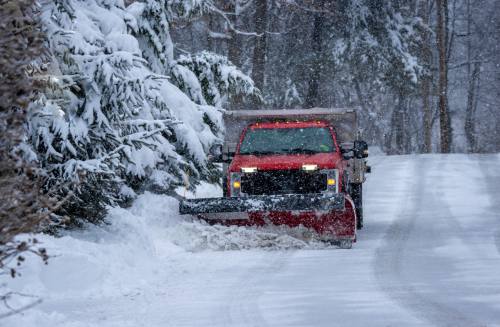
Winter weather changes, like snow, ice, freezing rain, sleet, and rapidly falling temperatures alter the driving environment in ways that materially increase the frequency and severity of car accidents. For drivers and families, understanding how those weather elements affect stopping distance, vehicle control, visibility, and roadside rescue times can reduce risk and improve outcomes after a crash. In this blog, we discuss the ways winter weather raises crash risk, the typical injury patterns and economic consequences, offer practical preparation and on-scene steps, and outline legal considerations after a winter-weather collision.
“Winter weather transforms routine driving into a high-risk activity. Preparation, cautious driving, and swift documentation after a crash protect safety and preserve the evidence critical to recovering compensation when negligence causes harm.” — John J. Malm, Naperville car crash attorney
How Winter Weather Changes Driving Conditions
Winter weather affects driving through four primary mechanisms:
- Surface traction reduction: Snow, packed slush, black ice, and freezing rain dramatically reduce the friction between tires and pavement, increasing stopping distances and the likelihood of skidding or loss of control. Even minimal ice films can make a roadway effectively frictionless.
- Reduced visibility: Heavy snowfall, blowing snow, fog, and freezing rain degrade sight lines, mask lane markings, and obscure other vehicles and pedestrians. Blowing snow after plowing can create whiteout conditions.
- Mechanical and vehicle-performance issues: Cold drains battery capacity, thickens fluids, and reduces tire pressure; poor vehicle maintenance increases the chance of a breakdown or an inability to respond to sudden maneuvers.
- Systemic response delays: Icy or snow-packed roads slow emergency responders and tow services, extend scene clearance times, and increase secondary-crash risk at the original collision site.
These mechanisms interact. For example, reduced visibility combined with low traction greatly increases the risk of high-speed multi-vehicle pileups on interstates during a winter storm. Government safety agencies and transportation researchers emphasize that winter conditions require both slower speeds and greater following distances.
How Common and Severe are Winter-Related Crashes?
Measures from multiple federal and safety organizations show that weather is a meaningful contributor to crash risk, and winter conditions are a major share of that risk:
- The Federal Highway Administration (FHWA) reports that weather-related crashes account for roughly 12 percent of all crashes annually, nearly three-quarters of a million crashes, and that over 3,800 people are killed and more than 268,000 injured per year in weather-related crashes. FHWA further estimates that 24 percent of weather-related crashes occur on snowy, slushy, or icy pavement.
- The National Highway Traffic Safety Administration (NHTSA) estimates there were more than 101,000 police-reported crashes in 2023 that occurred during snow or sleet conditions, with over 22,000 injuries tied to these events. These figures indicate winter conditions remain a regular cause of reported crashes.
- Research matching fatal-crash data to weather observations finds that winter weather conditions are associated with roughly 1,000 motor-vehicle fatalities annually, emphasizing that while not the largest seasonal driver of fatalities, winter storms nonetheless impose deadly risk.
Because winter conditions concentrate risk in short periods (storms, thaws, freeze–thaw cycles), they can produce spikes of severe collisions, including multi-vehicle pileups and single-vehicle run-off-the-road crashes, during and immediately after storms.
Typical Crash Patterns Tied to Winter Weather
Winter weather leads to characteristic crash types:
- Single-vehicle loss-of-control and run-off crashes: Drivers exceed available traction, slide into ditches, guardrails, or oncoming traffic.
- Rear-end collisions: Increased stopping distances and tailgating on slippery roads lead to higher rear-end rates.
- Intersection collisions and angle crashes: Vehicles fail to slow for signal changes or slide through intersections, increasing T-bone and left-turn collisions.
- Multi-vehicle pileups: Rapidly deteriorating visibility or a single loss-of-control event on an interstate can create chain-reaction crashes with catastrophic injuries and fatalities.
- Pedestrian and bicyclist collisions: Snowbanks and poor sight lines can push pedestrians into travel lanes and reduce drivers’ ability to see non-motorized road users.
The pattern varies by region: northern states see more snow- and ice-related crashes, while freeze–thaw cycles in temperate states can produce unexpectedly slick conditions that catch drivers unprepared. Local roadway geometry (curves, bridges, intersections) also shapes risk.
Who is Most Vulnerable?
- Drivers traveling at high speeds or on rural arterials: Rural roads, higher posted speeds, and delayed plowing can combine to increase crash severity.
- Unfamiliar drivers and out-of-state travelers: Drivers unfamiliar with local winter conditions are less likely to adjust speed and following distance appropriately.
- Pedestrians and older adults: Older individuals suffer more serious injury from falls and are at higher risk when crossing streets reduced to narrow lanes by snowbanks.
- Commercial vehicle operators: Large trucks have longer stopping distances on slick surfaces and can cause severe secondary crashes when they jackknife or lose control.
Driver behavior, especially speed choice and following distance, remains a dominant, modifiable risk factor across these groups.
Human and Economic Cost
Winter-weather crashes carry large human and financial costs:
- FHWA and other analyses place the annual toll of weather-related crashes in the billions of dollars when medical costs, property damage, lost productivity, and road maintenance are included. FHWA reports over 268,000 injuries annually in weather-related crashes and links lost travel-time and incident-clearance impacts to substantial economic loss.
- Emergency departments and trauma centers commonly see surges in winter storms; national injury surveillance and hospital data show winter events create spikes in fracture, head injury, and soft-tissue injury presentations tied to vehicle collisions and falls. Those medical costs and long-term disability burdens add to the societal cost.
Beyond immediate medical bills, serious winter crashes often require long-term care, rehabilitation, lost wages, and, in catastrophic cases, lifetime support.
Practical Precautions: Preparing Your Vehicle and Planning Travel
Preparation substantially reduces winter-crash risk. Recommended items and steps include:
Vehicle preparation:
- Check battery, antifreeze, tire condition, and tire pressure regularly at cold temperatures.
- Use winter or all-season tires appropriate for your region; studded or snow tires provide meaningful traction gains in heavy snow and ice.
- Maintain windshield wipers and keep winter-grade washer fluid.
- Carry an emergency kit: warm blankets, flashlight, portable phone charger, water, nonperishable snacks, small shovel, traction mats, and flares or hazard triangles.
Pre-trip planning:
- Check weather forecasts and road-condition reports before leaving; delay nonessential travel during heavy snow or ice.
- Allow extra travel time and increase following distance (an 8–10 second gap in heavy snow is commonly recommended by safety experts).
- Keep a full or near-full tank of gas; cold and traffic delays can leave you stranded.
Driving techniques:
- Reduce speed significantly when road surfaces are snow- or ice-covered.
- Avoid sudden braking or steering; use gentle, controlled inputs. If you have anti-lock brakes (ABS), apply steady pressure; if you do not, pump the brakes gently to avoid wheel lock.
- Treat bridges and overpasses as potentially more slippery than adjacent pavement.
- If you begin to skid, steer into the skid to regain control (consult your vehicle’s manual and local driving guidance).
These precautions do not eliminate risk but materially reduce the likelihood and severity of crashes.
What To Do If You’re Involved in a Winter-Weather Crash
If you are in a collision during winter weather, prioritize safety and evidence preservation:
- Ensure immediate safety: Move to a safe location if possible; turn on hazard lights and use cones/flares if available. If the vehicle is immobile in a travel lane, stay inside with seat belt on until help arrives, in extreme cold, getting out may expose occupants to hypothermia risk.
- Call emergency services: Report injuries and request police and medical response. Official crash reports are critical for insurance and legal claims.
- Document conditions: Photograph roadway surface, tire marks, nearby signage, snowbanks, visibility, and vehicle damage. Record the time, weather, and road temperature if known. These contemporaneous records assist both insurers and investigators.
- Exchange information and gather witnesses: Get names, insurance, and contact details; collect brief witness statements if safe.
- Seek prompt medical attention: Some injuries (concussion, internal trauma) may not be immediately apparent; medical records establish causation and treatment timelines.
- Notify your insurer and consult counsel if liability or serious injuries are involved: Insurers may open quick investigations; preserve statements and consult an attorney before giving recorded statements in complex or disputed cases.
Winter conditions make evidence-perish risks (plow removal of skid marks, snow melting) high, early documentation is therefore especially important.
Frequently Asked Questions about Winter Weather Crashes
Q: Are more fatal crashes reported in winter than in summer?
A: Not always. Across the U.S., fatal crash counts vary seasonally and by state; nationally, summer months see high fatality counts due to greater exposure and high-speed travel. However, winter weather produces a concentrated risk, research links roughly 1,000 annual fatalities to winter conditions and shows that 24 percent of weather-related crashes occur on snowy, slushy, or icy pavement.
Q: Do anti-lock brakes or electronic stability control (ESC) help on snow and ice?
A: Yes. ESC and ABS reduce the risk of loss-of-control crashes by helping drivers maintain steering control during braking and slides. These systems do not eliminate crash risk on ice but are proven safety features that reduce severe crash likelihood.
Q: Should I drive at the posted speed limit during a snowstorm?
A: No. Posted limits assume normal conditions; in snow or ice you should reduce speed commensurate with visibility and traction. Many jurisdictions apply “basic speed” rules requiring drivers to travel at speeds safe for conditions regardless of posted limits.
Q: If I hit a patch of black ice and crash, am I automatically at fault?
A: Fault depends on the circumstances. Drivers are generally expected to operate at safe speeds for conditions; however, if another driver acted negligently (e.g., failed to clear heavy snow from a vehicle and caused the collision, or ran a red light), they may be at fault. Documenting conditions, witness statements, and official reports helps determine liability.
Contact the 5-Star Rated Illinois Car Accident Attorneys at John J. Malm & Associates
Winter weather will return every season; planning and respect for changing road conditions reduce risk but do not remove it. If you or a loved one suffered injury in a winter-weather crash, early medical care and careful preservation of evidence improve both health outcomes and legal options. At John J. Malm & Associates, our Illinois crash attorneys help clients gather crash reports, secure weather and roadway evidence, coordinate with reconstruction experts, and pursue full compensation for medical bills, lost income, and long-term needs.
Contact our firm for a confidential consultation. We will review the crash report and weather evidence, coordinate with accident-reconstruction and medical experts, and protect your right to compensation so you can focus on recovery.