- Free Consultation: (630) 527-4177 Tap Here to Call Us















The Truth About Winter and Snow Multi-Vehicle Pileups


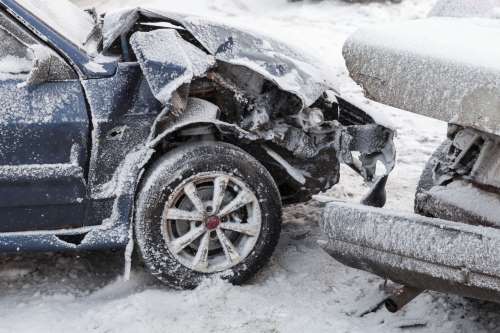
Winter weather brings both beauty and danger to roads across Illinois and the United States. Snow, ice, and sleet significantly increase the risk of crashes, particularly multi-vehicle pileups, which occur when a collision involving multiple vehicles cascades in quick succession. These catastrophic incidents can result in extensive property damage, serious injuries, and fatalities. Understanding the causes, prevalence, and impacts of these pileups is essential for drivers and those pursuing legal recourse after a winter crash.
“Winter weather creates some of the most dangerous driving conditions we see each year. Too often, drivers underestimate how quickly snow and ice can turn a routine trip into a catastrophic pileup. When negligence on the road leads to serious injury or loss, victims and their families deserve experienced legal advocacy and full accountability.” — John J. Malm, Naperville car accident lawyer
How Winter Weather Influences Crash Risk
Winter road conditions create a unique set of hazards that directly contribute to increased crash rates:
- Snow and ice reduce tire traction, making it harder to accelerate, steer, and stop.
- Snowfall, blowing snow, and sleet decrease visibility and make it difficult to judge speeds and distances.
- Slush and freezing rain can turn road surfaces unpredictable and uneven.
- Temperature fluctuations during winter lead to freeze–thaw cycles where clear pavement can hide dangerous black ice.
These factors not only elevate the risk of single-vehicle crashes but also give rise to multi-vehicle pileups. In conditions where vehicles are traveling closely in traffic, a single loss of control can set off a chain reaction crash involving many cars and trucks.
National and Regional Statistics on Winter Weather Crashes
National highway safety data underscores the ongoing danger posed by snow and winter conditions:
- According to Federal Highway Administration (FHWA) analysis, weather conditions contribute to roughly 12 percent of all reported crashes nationwide, and winter precipitation is a major element in those incidents.
- FHWA further estimates that 24 percent of weather-related crashes occur on snowy, slushy, or icy pavement, with thousands of injuries and hundreds of fatalities each year from such conditions.
- The National Highway Traffic Safety Administration (NHTSA) reported that in recent years more than 101,000 police-reported crashes occurred during snow or sleet conditions, with over 22,000 injuries tied directly to these winter events.
- Broader national figures suggest that annually over 1,300 people die and more than 116,800 are injured in vehicle crashes on snowy, slushy, or icy pavement.
- Historical FHWA data shows that snow/sleet conditions account for roughly 4 percent of all vehicle crashes nationally.
In Illinois and similar Midwestern states, winter weather plays an outsized role in crash frequency:
- State crash data and preparedness reports indicate that winter conditions contribute to nearly 29,000 vehicle crashes, over 4,500 injuries, and about 80 fatalities on average each year in Illinois.
These statistics highlight that snowy and icy roads are not only frequent but deadly and costly for drivers.
Why Multi-Vehicle Pileups Happen in Winter Weather
Multi-vehicle pileups are more complex than typical car accidents They generally arise when several of the following conditions intersect:
- Reduced visibility: Snow showers, blowing snow, and fog limit what motorists can see, leaving little time to react to slowed or stopped traffic.
- Slippery surfaces: Ice and packed snow severely lengthen braking distances, often beyond what even alert drivers anticipate.
- High speeds relative to conditions: A vehicle traveling too fast for conditions cannot stop in time, triggering a collision that subsequent vehicles cannot avoid.
- Traffic density: Highways with heavier traffic volumes provide little space for evasive maneuvers, making pileups more likely when one vehicle loses control.
Scientific research confirms that winter weather not only increases crash risk but dramatically elevates the chance of multi-vehicle involvement:
- A long-term analysis of fatal crash data found that fatal crashes involving more than 35 vehicles are most likely to occur in snow or fog. In these conditions, the risk of large, multi-vehicle fatal crashes is 24 times greater in snow than in good weather.
These findings underscore the pronounced danger during winter storms when visibility and traction deteriorate quickly.
Common Consequences of Winter Pileups
When a multi-vehicle winter crash occurs, the consequences can be severe:
- Serious bodily injuries: These include fractures, spinal injuries, head trauma, internal injuries, and soft-tissue damage.
- Fatalities: Winter pileups often involve high speeds and many vehicles, increasing the likelihood of fatal outcomes.
- Psychological trauma: Survivors of large crashes frequently experience anxiety and trauma related to driving in similar conditions.
Beyond the human toll, winter pileups impose economic costs: emergency response, medical care, loss of income, and insurance claims all contribute to broader societal costs tied to these crashes.
Recognizing Common Mistakes That Lead to Pileups
Many winter weather crashes stem from driver behavior that does not match environmental conditions. Common errors include:
- Driving too fast for conditions: Posted speed limits assume ideal conditions; in snow or ice, safe speeds are far lower.
- Following too closely: Tailgating leaves insufficient stopping space when the pavement is slippery.
- Failure to slow for reduced visibility: Snow squalls and blowing snow can drastically cut visibility in seconds.
- Brake misuse on ice: Panic braking can lock wheels, especially on vehicles without anti-lock brakes, leading to extended skids.
- Underestimating black ice: Thin, transparent ice can be especially treacherous because it’s difficult to detect until it’s too late.
Prevention Strategies for Drivers
Avoiding winter pileup crashes requires both preparation and cautious behavior. Recommended strategies include:
- Checking weather and road conditions before travel.
- Reducing speed to match conditions, not the posted limit.
- Increasing following distances to allow much longer stopping times.
- Using winter-rated tires with appropriate tread depth.
- Avoiding sudden maneuvers: steering and braking should be smooth.
- Keeping headlights on and windows cleared for maximum visibility.
These precautions help drivers compensate for reduced traction and visibility during winter storms.
Legal Considerations After a Winter Pileup
Winter weather does not excuse negligence. Many pileup crashes involve multiple drivers whose actions contribute to the collision. When another motorist fails to adjust to hazardous conditions or engages in reckless behavior, such as speeding or distracted driving, you may have grounds for a personal injury claim.
Notably, Illinois follows comparative negligence rules, meaning fault can be shared among multiple parties. An experienced Illinois car accident injury firm can help identify liable parties, gather evidence, and pursue compensation for medical bills, lost wages, property damage, and pain and suffering.
Frequently Asked Questions about Winter Weather Pileups
Q: What is a multi-vehicle pileup?
A: A multi-vehicle pileup refers to a traffic collision where three or more vehicles are involved, often in rapid succession. These crashes are typically more severe than two-vehicle collisions due to the number of vehicles and potential points of impact.
Q: Why are winter conditions so dangerous?
A: Winter conditions like snow and ice reduce traction and visibility, making it harder to stop, steer, and see hazards. Black ice and snow squalls can escalate risk quickly, catching drivers off guard.
Q: Are all winter crashes weather-related?
A: Not necessarily. While winter weather increases risk, driver behavior, such as excessive speed or not maintaining proper following distance, is often a significant contributing factor.
Q: What types of compensation can be pursued?
A: Victims can pursue compensation for medical expenses, lost income, vehicle damage, rehabilitation costs, pain and suffering, and other losses resulting from the crash.
Contact the Respected Illinois Car Accident Attorneys at John J. Malm & Associates
Winter and snow multi-vehicle pileups are not only statistically significant; they are life-altering events for those involved. The combination of dangerous road conditions and the slightest lapse in driver judgment can lead to catastrophic consequences. If you or a loved one have been injured in a winter weather crash, you should not have to shoulder the burden alone.
At John J. Malm & Associates, our top-rated Illinois car accident lawyers bring depth of experience and a commitment to our clients’ recovery. We understand both the human and legal complexities of multi-vehicle winter collisions and we fight to secure the compensation our clients deserve. Contact our firm today for a free consultation. Our attorneys will evaluate your case, explain your options, and provide decisive legal support so you can focus on healing.