- Free Consultation: (630) 527-4177 Tap Here to Call Us






Can Bars Be Liable for Overserving Drinks in Illinois?


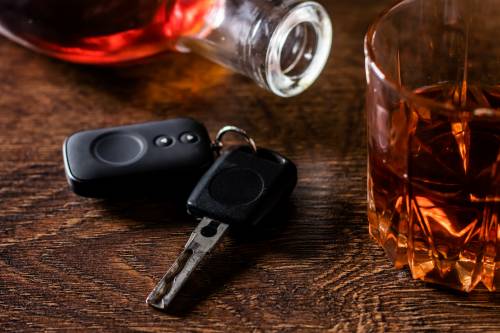
When a driver leaves a bar, restaurant, or tavern after consuming too much alcohol and causes a car accident that injures someone else, victims and their families often ask the same question: Can the establishment that served the alcohol be held responsible? In Illinois, the answer is yes, but the law is specific about when and how liability applies. Under Illinois’ Liquor Control Act, commonly referred to as the Dram Shop Law, bars and other licensed establishments can be held liable for injuries and damages caused by patrons they served alcoholic beverages to if certain criteria are met.
In this blog, we discuss how overservice liability works in Illinois, why it matters given the ongoing problem of alcohol-related crashes, what evidence is required, and how victims can protect their rights.
“When an establishment contributes to a patron’s intoxication and that person goes on to injure an innocent victim, the law should provide a path to justice. Bars and restaurants that overserve alcohol have a duty to the public, and when they breach that duty, victims deserve accountability and full compensation for their losses.” — John J. Malm, Naperville injury attorney
What Is Dram Shop Liability in Illinois?
Dram Shop Liability refers to civil legal responsibility placed on businesses that sell or serve alcoholic beverages when those beverages contribute to another person’s intoxication and subsequent harm.
Under the Illinois Liquor Control Act (235 ILCS 5/6-21):
- A bar, restaurant, tavern, club, or other licensed alcohol seller can be held liable if it sells alcohol to a person who then causes injury or property damage while intoxicated.
- Liability extends not only to the establishment but also to owners, renters, lessees, and, in some cases, individuals involved in selling the alcohol.
- The injured person has a right of action against the alcohol vendor when intoxication leads to their injury.
This statute creates a civil cause of action designed to hold establishments accountable for contributing to intoxication that leads to harm.
Why This Law Exists
Alcohol-impaired driving remains a major cause of serious crashes, injuries, and fatalities both nationally and in Illinois:
- Nationally, about 30 percent of all traffic crash fatalities involve drunk drivers, with over 12,000 deaths in 2023 attributed to alcohol-impaired driving.
- In Illinois, approximately 23 percent of traffic fatalities are alcohol-related, with nearly 300 deaths in a recent reporting year tied to drunk driving.
These statistics underline the human cost of alcohol-impairment on the roads and illustrate why the law seeks to discourage irresponsible service practices by alcohol vendors.
When a Bar Can Be Held Liable
Under Illinois law, liability is established when the following elements are shown:
- The vendor sold or provided alcohol to the individual who later caused the injury.
- The alcohol sold materially contributed to or caused intoxication.
- The intoxication was the proximate cause of the injuries or damages suffered.
An important aspect of Illinois’ approach is that the plaintiff does not necessarily have to prove that the establishment knew the patron was intoxicated at the time of service. If the sale contributed to later intoxication that caused harm, liability can attach.
Examples of potential liability situations include:
- A bar continues to serve a patron who shows signs of impairment and that patron later causes a DUI crash.
- A restaurant serves alcohol to a minor who then leaves and injures someone in an alcohol-related accident.
- A tavern sells multiple rounds to a visibly inebriated customer who then injures a third party.
Types of Damages Recoverable
In a dram shop case, victims can pursue compensation for a range of losses, including:
- Medical expenses resulting from the crash
- Lost income and future earning capacity
- Pain and suffering and emotional distress
- Loss of consortium for families when a loved one is severely injured or killed
Damages are not automatic; the plaintiff must establish both liability and causation.
Liability Limits in Illinois
Illinois imposes liability limits on recoveries under the dram shop provisions, which are updated annually based on factors like the Consumer Price Index:
- For claims with final judgments or settlements after January 20, 2025, the maximum recovery per injured person is approximately $88,051.76, and for loss of support or loss of society claims, up to $107,618.82.
These statutory caps mean that even when liability is proven, the total compensable damages are limited by law.
Burden of Proof and Evidence Needed
Dram shop claims can be challenging to prove. Successful cases typically require strong evidence demonstrating the establishment’s role in contributing to the individual’s intoxication:
Key types of evidence include:
- Receipts and tabs showing multiple alcoholic beverages were served.
- Security camera footage of the patron’s consumption and behavior.
- Witness testimony, including bartenders, other patrons, and bystanders.
- Medical records or toxicology reports indicating blood alcohol levels.
- Driver statements or admission of drinking at the establishment.
Unlike some other states, Illinois does not require proof that the server had actual knowledge the patron was visibly intoxicated, only that the service of alcohol materially contributed to later intoxication and harm.
Limitations and Defenses
Illinois’ Dram Shop Law includes limitations and potential defenses for establishments:
- Statute of Limitations: Plaintiffs generally have one year from the incident to file a dram shop claim.
- Complicity or Contributory Arguments: Establishments may argue that the injured party contributed to their own harm or that other intervening actions were the main cause.
- Social Host Exception: Individuals hosting private events are generally not held liable under Illinois’ dram shop regime, with limited exceptions involving underage drinking.
- Licensing defenses: Compliance with all alcohol service laws and training may be argued as evidence of responsible operation.
Despite these defenses, many dram shop claims succeed when supported by robust evidence and legal strategy.
Practical Steps To Take After an Alcohol-Related Crash
If you or a loved one were injured in a crash caused by a drunk driver, consider the following steps:
- Seek medical attention immediately. Your health is the first priority.
- Report the crash to law enforcement so an official investigation and toxicology testing can be conducted.
- Preserve evidence, including photos, witness contact information, and receipts showing where the driver consumed alcohol.
- Retain an experienced Illinois drunk driving injury attorney familiar with dram shop law to evaluate liability and pursue compensation.
- Document your damages, including medical bills, lost wages, and vehicle repairs.
These steps help protect your rights and build a strong legal claim.
Frequently Asked Questions about Bar Liability for Drunk Driving Accidents
Q: Can I sue a bar for a drunk driver’s negligence in Illinois?
A: Yes. Under the Illinois Dram Shop Act, you can pursue damages against a bar, restaurant, or other vendor that sold alcohol to the person who caused your injury if the alcohol materially contributed to their intoxication.
Q: Does the bar have to know the patron was drunk?
A: No. Illinois law allows liability even without proof that the establishment knew the patron was visibly intoxicated at the time of service.
Q: What is the timeline to file a claim?
A: In Illinois, the statute of limitations for dram shop claims is typically one year from the date of the incident.
Q: Can social hosts be held liable?
A: Generally, private hosts are not liable under Illinois’ dram shop laws, although there are rare circumstances involving serving minors where liability may apply.
Q: What if the driver was already drunk before arriving at the bar?
A: If a driver was already intoxicated, establishing how much the establishment’s service contributed to intoxication and harm becomes a critical legal question and may affect liability.
Contact the Top-Notch Illinois Drunk Driving Accident Attorneys at John J. Malm & Associates
Alcohol-related crashes continue to injure and kill thousands of people each year. When a drunk driver causes harm, the legal responsibility may extend beyond the driver to the establishment that served them. Illinois’ dram shop laws give injured victims a way to seek justice and compensation for their losses. However, these cases involve complex legal standards, strict timelines, and detailed evidence requirements.
If you or a loved one has been injured in a crash involving an intoxicated driver, do not wait. Contact John J. Malm & Associates today for a confidential consultation. We will review your case, explain your legal rights under Illinois dram shop law, and help you pursue the compensation you deserve for medical bills, lost wages, pain and suffering, and more. Your recovery and your family’s future matter. Call us now to get started.