- Free Consultation: (630) 527-4177 Tap Here to Call Us








Wheaton Adds 4-Way Stop Sign At Harrison Avenue And Washington Street To Reduce Crashes


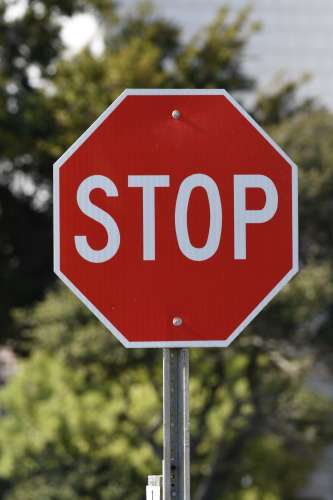
Traffic safety has become a growing concern in Wheaton, Illinois, particularly at the intersection of Harrison Avenue and Washington Street. After years of serious car accidents and community concern, the city recently implemented a 4-way stop at this once uncontrolled intersection to improve safety and reduce the number and severity of collisions. This blog explores why this change was necessary, the data underlying the decision, and how community members and motorists are responding, and should respond, to this critical public safety improvement.
Why the Change Was Needed: Rising Crashes at Harrison & Washington
For years, the intersection of Harrison Avenue and Washington Street lacked proper traffic control. While stop signs existed on Washington Street, Harrison Avenue traffic was not governed by any stops, leading to confusion and conflict between drivers on the two roadways. Recent data shows a clear upward trend in accidents at this corner, prompting the city to act.
According to Wheaton city documents and local reports:
- 2022: 2 crashes reported.
- 2023: 3 crashes reported.
- 2024: 5 crashes reported.
- 2025: 4 crashes reported.
- 2026: 1 crash already logged this year.
While these numbers may seem modest when taken alone, any pattern of repeated collisions at a residential/local road intersection signals a safety issue demanding attention.
Intersection Safety: What the Numbers Say
Traffic engineers and safety researchers weigh crash trends, traffic volumes, and visibility issues when deciding whether a stop control is warranted. In Wheaton’s case, Harrison Avenue sees roughly 8,000 vehicles per day, while Washington Street carries between 2,500–4,000 vehicles daily, according to a city transportation study.
This volume alone is significant for a local, two-way stop scenario and suggests strong justification for greater control. Broader statistics on intersection improvements also help contextualize the reasoning:
National Findings on Intersection Safety
- Converting two-way stop signs to 4-way stops can reduce severe crash rates by 40–60%.
- Controlled intersections (stop signs/signals) have approximately 25% fewer crashes than uncontrolled intersections.
- Intersections with clear signage experience substantially lower accident rates compared to poorly signed ones.
These broader findings align with what Wheaton’s engineers and safety professionals determined: more control at Harrison & Washington could reduce the likelihood of future collisions.
What’s Changed at the Intersection
As of February 2026, the city officially installed stop signs in all directions at Harrison Avenue and Washington Street. This means:
- Traffic on Harrison Avenue must now stop at the intersection.
- Traffic from all directions follows standardized right-of-way rules under a 4-way stop.
- Drivers must yield to the vehicle that arrived first or to the vehicle on the right in simultaneous arrivals.
In essence, this change levels the playing field for all directions of traffic, replacing informal yielding behavior with clear legal stop requirements.
Community Response
Local residents and motorists have had mixed reactions. Some drivers applaud the measure, reporting that the new stop reduces dangerous speeding and unpredictable crossing behavior. Others are frustrated with what they view as increased travel time or unnecessary stops, but even opponents often recognize that the safety benefit outweighs inconvenience when it comes to protecting lives and reducing injury risk.
Public officials in Wheaton have emphasized that the 4-way stop is an interim improvement while longer-term solutions, like enhanced traffic calming or signalized control, are studied and funded.
Benefits of 4-Way Stop Signs
There are several compelling benefits to installing a 4-way stop at previously uncontrolled or insufficiently controlled intersections:
- Improved safety: By requiring all vehicles to stop and yield appropriately, the risk of high-speed right-angle (T-bone) crashes diminishes.
- Traffic calming: Stopping traffic from all directions naturally slows vehicles approaching the intersection, reducing aggressiveness and speed.
- Predictability: Drivers know what to expect at each approach, reducing confusion and helping drivers make safer decisions.
While stop signs are not appropriate for every location, they can be effective when used after engineering review, exactly the case in Wheaton’s decision.
Considerations and Engineering Review
It’s worth noting that intersection control is not a one-size-fits-all solution. According to traffic engineering research, 4-way stops should only be installed after careful review, including analysis of traffic volumes, crashes, and sight distance issues. Improper installation can sometimes increase congestion or create pedestrian confusion.
In Wheaton’s case, engineers considered these factors, including sight distance issues on the south leg of Washington Street, before recommending the new stop controls.
Moving Forward: What Wheaton Needs
Installing the 4-way stop at Harrison Avenue and Washington Street is an important step in reducing crashes and enhancing safety in Wheaton. But this is not the end of the road. Ongoing monitoring, community feedback, and data collection are critical to ensuring that the change is effective and equitable for all users: drivers, cyclists, and pedestrians alike.
Wheaton’s crash history, both at this intersection and across the city, reveals the larger challenge of keeping suburban streets safe as traffic volumes grow. For example:
- In 2024, Wheaton reported 1,352 total crashes, with 186 involving injuries and two fatalities.
- Across Illinois, pedestrian and cyclist fatalities increased by approximately 7% from 2022 to 2023.
These figures underscore the need for both targeted intersection improvements and broader traffic safety strategies.
Common Questions About the New 4-Way Stop
Q: Why didn’t the city install a traffic signal instead of a stop sign?
A: Traffic signals require a higher volume threshold and crash history to be justified, along with cost and power infrastructure. A 4-way stop is often a cost-effective intermediary solution that can deliver safety benefits quickly.
Q: Will this stop slower traffic on Harrison Avenue?
A: A 4-way stop inherently slows traffic approaching intersections, but that can be a benefit in residential or mixed-use areas where safety is paramount. The small delay is typically offset by the reduction in crash risk.
Q: Do stop signs really reduce crashes?
A: Yes, research shows that converting 2-way stops to 4-way stops can cut severe crash rates by 40–60%.
Q: Can 4-way stops cause more accidents because everyone has to stop?
A: When properly installed, they promote orderly traffic movement and reduce the most serious crashes. However, they must be engineered appropriately; indiscriminate placement without study can lead to confusion.
Q: What other safety tools could be considered in the future?
A: Other options include:
- Traffic signals (if warranted)
- Flashing beacons or advanced stop signs
- Speed humps or traffic calming on approach roads
- Roundabouts or mini-circles
- Enhanced pedestrian crosswalks
Each option requires evaluation to see what is the best fit for the community’s needs.
Contact the 5-Star Rated Wheaton Car Accident Lawyers at John J. Malm & Associates
The 4-way stop at Harrison Avenue and Washington Street represents Wheaton’s proactive response to a documented safety issue. While no traffic control measure is perfect, the available data supports the decision as a meaningful step toward reducing crashes and protecting lives.
If you or someone you love has been injured in an auto collision, whether at this intersection or elsewhere in Wheaton, it’s essential to know your rights and legal options. Crash injuries can result in significant medical expenses, lost wages, and long-term consequences, and navigating insurance claims can be overwhelming without support.
Contact John J. Malm & Associates today for a free consultation. Our Wheaton personal injury attorneys are here to help you understand your case, seek fair compensation, and advocate for your future. Don’t wait, your recovery deserves dedicated attention and expert support.