- Free Consultation: (630) 527-4177 Tap Here to Call Us












How SUVs and Large Vehicles Are Driving a Pedestrian Safety Crisis


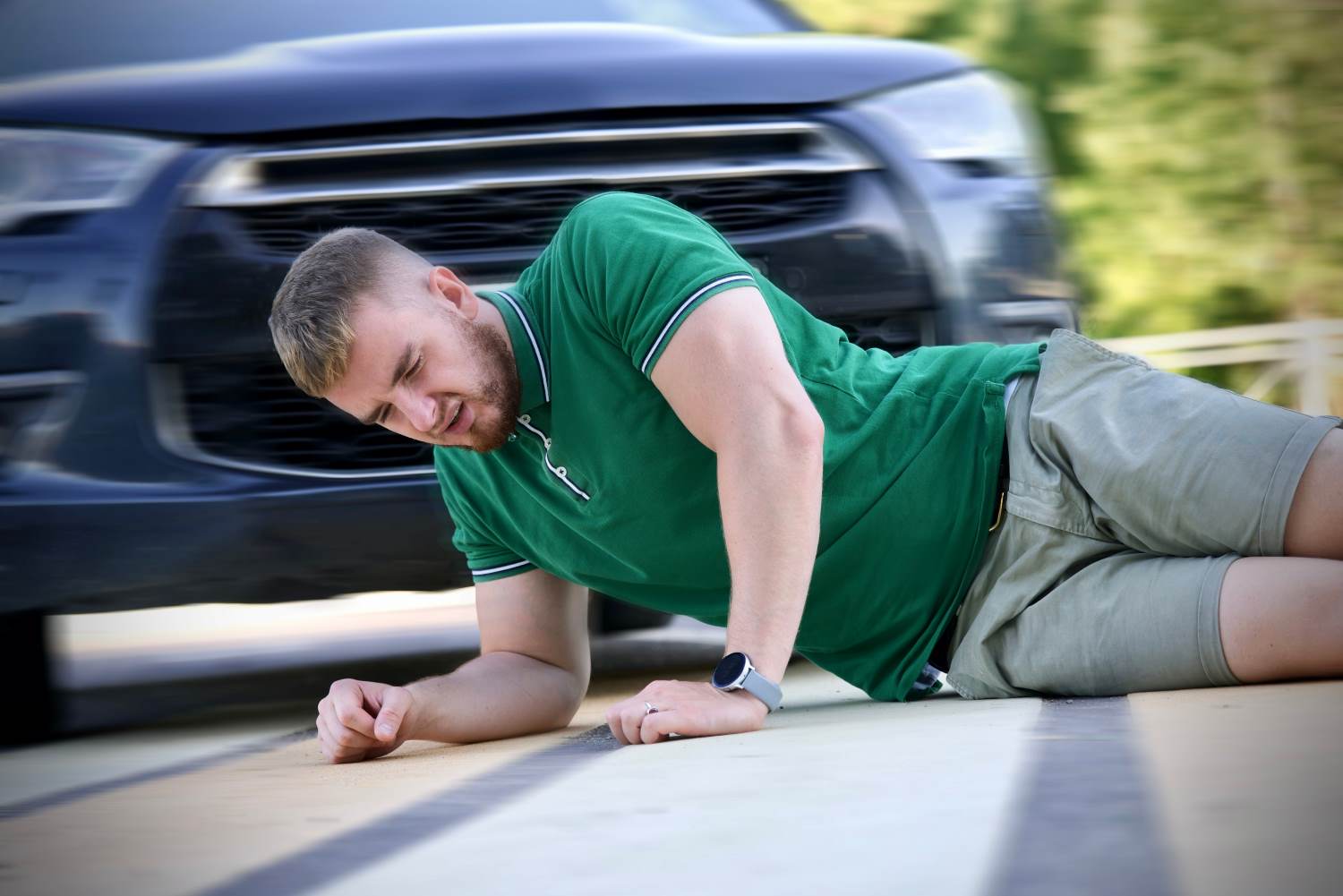
Walking down a street in America today is more dangerous than it was a decade ago, and the reason isn’t just distracted driving or poor road design. It’s the vehicles themselves. As pickup trucks, SUVs, and crossovers have come to dominate U.S. roadways, fatal pedestrian accidents have climbed sharply, and a growing body of research points to vehicle size and shape as a key culprit. In this blog, we break down what the data shows, why bigger vehicles are deadlier for the people walking beside them, and what victims and families can do if they’ve been affected.
The Rise of the Supersized Vehicle
The American vehicle fleet has transformed dramatically over the past three decades. In 2009, SUVs and pickups made up only about 38% of vehicles on U.S. roads. Today, they account for roughly three-quarters of new vehicle sales, with large passenger vehicles, SUVs, pickups, and minivans, making up more than 70% of the market.
That shift hasn’t just changed what’s parked in driveways; it’s changed the physical dimensions of the average car. According to the Insurance Institute for Highway Safety (IIHS), over the last 30 years the typical passenger vehicle has grown:
- About 4 inches wider
- About 10 inches longer
- About 8 inches taller
- Nearly 1,000 pounds heavier
These changes might seem like simple consumer preference, but for the person standing in a crosswalk, they make a measurable difference between a survivable collision and a fatal one.
Why Size and Shape Matter So Much
It isn’t just weight that makes SUVs and trucks more lethal to pedestrians, it’s geometry. IIHS researchers studying real-world crashes found that the height and slope of a vehicle’s front end strongly predict whether a pedestrian survives being struck.
- Vehicles with hoods taller than 40 inches are far more likely to cause a fatal pedestrian injury than vehicles with hoods of 30 inches or less.
- Tall, blunt front ends tend to strike pedestrians higher on the body: in the chest, torso, or head, rather than the legs, which causes more severe trauma.
- Lower, sloped hoods are more likely to knock a pedestrian onto the hood, a mechanism that, while still dangerous, tends to produce less catastrophic injuries than being struck directly and thrown forward.
- Large A-pillars, oversized side mirrors, and high beltlines on SUVs and trucks create bigger blind spots, making it harder for drivers to see pedestrians, especially during turns.
- SUVs are about twice as likely as cars to kill a pedestrian while turning left at an intersection, and the odds of a fatal right-turn pedestrian crash are 63% higher for SUVs than for cars.
Speed compounds all of this. Research out of Michigan found that at 20–39 mph, roughly 30% of SUV-pedestrian crashes were fatal compared with 23% for cars, and at 40 mph or above, virtually all SUV strikes (100%) proved fatal, compared with 54% for passenger cars.
What the National Numbers Show
The statistics on pedestrian deaths nationwide are sobering:
- Pedestrian fatalities rose 57% between 2013 and 2022, climbing from 4,779 deaths to 7,522, according to the National Highway Traffic Safety Administration (NHTSA).
- IIHS reports that pedestrian deaths have increased roughly 80% since 2009, almost exactly tracking the rise of SUVs and trucks on U.S. roads.
- In 2022, trucks, SUVs, crossovers, and vans were involved in nearly half of all pedestrian fatalities, and NHTSA data shows these larger vehicles were the most common vehicle type involved in fatal frontal pedestrian strikes that year.
- Children pay a disproportionate price: a 2022 study found that children are eight times more likely to die when struck by an SUV than when struck by a passenger car.
- The U.S. Department of Transportation reports that 75% of pedestrian fatalities occur at mid-block crossings rather than at intersections, meaning the danger isn’t confined to a single type of location.
A Local Picture: Illinois and the Chicago Area
The national trend is playing out close to home. The Illinois Department of Transportation reported 219 pedestrian fatalities statewide in 2024, a 9.5% increase from the 200 recorded in 2023. In Chicago, pedestrian deaths on surface streets reached 38 in 2024 alone. Statewide and city-level reporting has repeatedly flagged the same culprits seen in national data: high vehicle speeds, reckless driving, and a growing share of incidents involving SUVs and pickup trucks rather than standard passenger cars.
Regulators Are Starting to Respond
Lawmakers and safety regulators have taken notice of the link between vehicle design and pedestrian deaths. NHTSA has proposed a pedestrian head-protection standard for new passenger vehicles weighing 10,000 pounds or less, a category that includes most trucks, SUVs, crossovers, and vans.
Separately, advocates have pushed for legislation such as the proposed Pedestrian Protection Act, aimed specifically at addressing the risks posed by oversized passenger vehicles. These efforts reflect a growing consensus among safety researchers that vehicle design, not just driver behavior, deserves scrutiny when pedestrian crashes are investigated.
A Word From Our Firm
Attorneys who handle these cases every day see firsthand how a vehicle’s size and design can turn a routine street crossing into a tragedy. As Naperville injury attorney John J. Malm puts it:
“Every driver needs to understand that dangerous roadway situations aren’t just statistics, they represent real lives changed or lost. Simple behaviors like speeding, distracted driving, or failing to yield can turn a routine commute into a tragedy. Awareness and responsible driving are the first steps toward safer roads.”
That responsibility doesn’t disappear just because a driver is behind the wheel of a larger vehicle, if anything, it becomes more important.
Frequently Asked Questions about Pedestrian Accidents
Are SUVs really more dangerous to pedestrians than regular cars? Yes. Multiple studies, including research from the IIHS and NHTSA crash data, consistently show that pedestrians struck by SUVs and trucks are significantly more likely to be killed than those struck by passenger cars, largely due to vehicle height, front-end shape, and weight.
Why do taller vehicles cause more severe pedestrian injuries? Taller, blunter front ends strike pedestrians higher on the body rather than the legs. This increases the likelihood of fatal internal and head injuries compared to being struck and rolled onto a lower hood.
Is vehicle speed or vehicle size more important in pedestrian fatalities? Both matter, and they compound each other. Higher speeds dramatically increase fatality risk regardless of vehicle type, but at any given speed, SUVs and trucks are still more likely than cars to cause a fatal pedestrian injury.
Can a vehicle’s design be a factor in a pedestrian accident lawsuit? In some cases, yes. Depending on the facts, an attorney may investigate whether a vehicle’s design contributed to the severity of an injury, in addition to determining driver negligence. Every case is different and depends on the available evidence.
What should I do if I or a family member was hit by a vehicle while walking? Seek medical attention immediately, report the accident to police, and try to preserve evidence such as photos, witness contact information, and surveillance footage if available. Then speak with an experienced pedestrian accident attorney as soon as possible, since evidence can disappear quickly.
Who can be held liable in a pedestrian accident involving a large vehicle? Liability typically falls on the negligent driver, but depending on the circumstances, it may also extend to other parties, such as a vehicle manufacturer in a design-defect case or a government entity responsible for dangerous roadway conditions.
Contact the 5-Star Rated Illinois Pedestrian Accident Lawyers at John J. Malm & Associates
The growing dominance of SUVs and large trucks on our roads has made walking, something every one of us does every day, measurably more dangerous. While regulators debate new safety standards, the people most affected are the pedestrians and families left to deal with catastrophic injuries, mounting medical bills, and devastating losses right now.
If you or someone you love has been struck by an SUV, truck, or any vehicle while walking, you deserve answers, accountability, and a legal team that understands how vehicle size and design factor into these cases. Contact John J. Malm & Associates today for a free, no-obligation consultation. Let us investigate what happened, fight for the compensation you deserve, and help you move forward.