- Free Consultation: (630) 527-4177 Tap Here to Call Us













Signs of a Traumatic Brain Injury After a Car Accident


Every year in the United States, millions of people are injured in car accidents. Among those injuries, traumatic brain injuries (TBIs) stand out as some of the most serious and life-altering. According to the Centers for Disease Control and Prevention (CDC), motor vehicle crashes are a leading cause of traumatic brain injury and account for a significant portion of hospitalizations due to TBI. In fact, motor vehicle accidents contribute to roughly 25 % of all TBI-related hospitalizations annually. Prompt recognition of the signs and symptoms of a TBI after a car crash can make the difference between effective early treatment and delayed diagnosis — which may worsen outcomes and complicate legal claims.
Understanding how traumatic brain injuries present, both immediately and over time, is crucial for anyone involved in a car accident. Many people assume that a TBI only occurs when someone loses consciousness or suffers visible head trauma. However, this is not true. The brain can sustain serious injury even when the head never strikes an object directly; the rapid acceleration and deceleration forces in a crash can cause the brain to crash against the inside of the skull, creating bruising, bleeding, axonal shearing, and chemical changes that disrupt normal brain function.
Below, we explore the signs and symptoms of a traumatic brain injury following a car accident, including how they often evolve over time, as well as what victims and their loved ones should watch for in the days and weeks after a collision. We also highlight why seeking immediate medical attention and legal guidance is essential.
What Is a Traumatic Brain Injury?
A traumatic brain injury (TBI) occurs when an external force damages the brain. This force may result from a blow to the head or from rapid acceleration and deceleration of the brain within the skull, such as the violent motion experienced during a crash. According to the CDC, TBIs range from mild (concussions) to moderate and severe injuries, with effects that can be temporary, long-lasting, or permanent.
Motor vehicle accidents are a common cause of TBIs, especially among drivers and passengers involved in moderate to high-impact collisions. These injuries can change the course of a person’s life, affecting cognition, emotion, physical function, and overall quality of life.
Immediate Physical Signs of a TBI
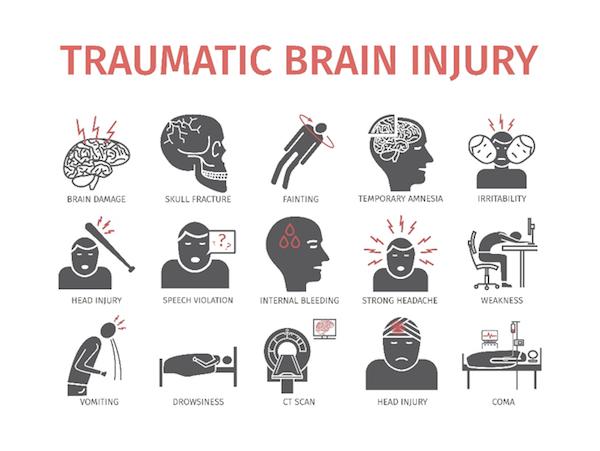
Physical symptoms of a TBI may appear immediately after a car accident or may emerge over the following hours or days. In some cases, people mistakenly attribute these symptoms to fatigue or “just being shaken up,” but they can signal a brain injury requiring urgent medical evaluation.
Common physical signs include:
- Loss of consciousness, even for a few seconds or minutes
- Persistent or worsening headache that does not improve with time
- Dizziness or loss of balance, especially when standing or walking
- Nausea or repeated vomiting
- Blurry or double vision
- Sensitivity to light or sound
- Ringing in the ears (tinnitus)
- Fatigue, drowsiness, or abnormal sleep patterns
It is important to note that loss of consciousness is not required for a TBI diagnosis. Many individuals with mild or moderate injuries never lose consciousness but still have significant brain dysfunction.
Cognitive and Emotional Indicators
Traumatic brain injuries often affect how a person thinks, processes information, and regulates emotion. These changes may be subtle at first, making them easy to dismiss, especially if adrenaline and shock mask symptoms in the immediate aftermath of a crash.
Watch for cognitive and emotional changes such as:
- Confusion or disorientation
- Memory problems, including forgetting recent events
- Difficulty concentrating or completing tasks
- Slowed thinking or trouble following conversations
- Mood changes, such as irritability, anxiety, depression
- Personality shifts that are out of character
These symptoms can be as debilitating as physical impairments and are common even in mild TBIs. Left untreated, they can persist for weeks, months, or longer and disrupt daily life, job performance, and relationships.
Delayed and Long-Term Symptoms
One of the most challenging aspects of TBI after a car accident is that symptoms can emerge slowly or be delayed. Pain, confusion, mood changes, or cognitive issues may not be noticeable right away, especially when patients are focused on other injuries or simply trying to return to normal life.
Delayed symptoms may include:
- Ongoing headaches or migraines
- Chronic dizziness or balance issues
- Memory lapses and cognitive fog
- Increased irritability or emotional volatility
- Persistent fatigue
- Sleep disturbances
In moderate and severe TBIs, these effects may be lifelong. The CDC also notes that survivors of moderate to severe TBI frequently experience chronic impairments, with studies showing that years after the injury, a significant percentage of individuals remain disabled or unemployed.
Why Immediate Medical Evaluation Matters
After a car accident, many people underestimate the seriousness of a head injury, especially if there is no external wound or immediate pain. However, seeking medical attention right away is critical for several reasons:
- Some symptoms don’t show up until hours or days later.
- Delayed diagnosis can lead to worsening neurological damage.
- Early documentation of symptoms strengthens legal claims against negligent parties.
- Medical providers can order imaging and neurological tests to assess internal injury.
Insurance companies often scrutinize brain injury claims closely, arguing that symptoms are unrelated to the crash or pre-existing. Having medical documentation from the outset is vital to protecting both health and legal rights.
Frequently Asked Questions About TBIs After Car Accidents
Q: Can I have a traumatic brain injury even if I didn’t hit my head?
Yes. The brain can be injured by rapid acceleration and deceleration inside the skull, such as during a sudden stop or collision, even when there’s no direct impact to the head.
Q: How long after an accident can TBI symptoms appear?
Symptoms can begin immediately or may not appear until days or even weeks later. Delayed onset of symptoms is common, which is why ongoing monitoring and medical evaluation are essential.
Q: Are mild TBIs serious?
Yes. Even mild traumatic brain injuries, including concussions, can result in lingering symptoms that affect daily life and may require medical and legal attention.
Q: What if my imaging tests come back normal?
Standard imaging tests like CT scans or X-rays may not detect all TBIs. Diagnosis often depends on clinical evaluation, symptom reporting, and neurological assessment.
Q: When should I contact a lawyer after a crash with possible brain injury?
You should seek legal guidance as soon as symptoms appear or if insurance companies dispute your claim or minimize your injury. Prompt legal consultation helps preserve evidence and ensure your rights are protected.
Contact the 5-Star Rated Illinois Brain Injury Car Accident Lawyers at John J. Malm & Associates
Traumatic brain injuries after car accidents are serious injuries that can profoundly affect every aspect of a victim’s life. Whether symptoms appear immediately or emerge over time, recognizing the signs of a TBI early and acting quickly can significantly improve both health outcomes and legal results.
If you or a loved one has been in a collision and you suspect any sign of a brain injury, do not wait. Seek medical care right away and document every symptom. Then, contact our experienced local car accident attorneys for a free consultation. We understand how to investigate TBI cases, work with medical experts, and fight for the compensation you need to cover your medical bills, lost wages, pain and suffering, and future care.
Don’t let delayed diagnosis or insurance tactics stand between you and the justice you deserve. Call us today or request a free consultation online. Your future health and financial security depend on it.