- Free Consultation: (630) 527-4177 Tap Here to Call Us









Do Red Light Cameras Reduce Car Accidents?


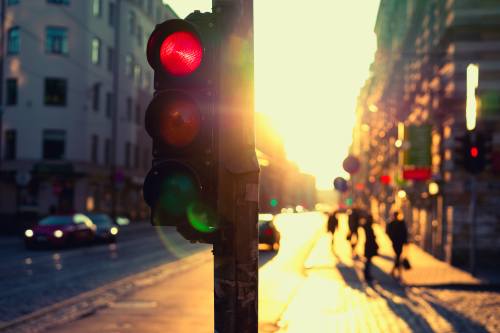
Red light safety cameras are one of the most visible, and controversial, traffic-safety interventions in U.S. cities. Proponents argue they deter risky driving, reduce the most dangerous T-bone collisions, and save lives. Critics call them revenue tools, say they shift crash types (increasing rear-end collisions), and point to mixed study results. In this blog, we cut through the noise: by summarizing what the research says, showing key statistics, explaining common tradeoffs, and offering practical takeaways for drivers and communities in Illinois and beyond.
“Intersections are high-risk places where split-second decisions change lives. Whether a community uses cameras or not, the goal should always be fewer severe injuries and deaths, and that means combining engineering, enforcement, and education to protect people.” — John J. Malm, Naperville car accident lawyer
What the Data Says About Red Light Cameras
The bulk of high-quality reviews and federal assessments conclude that red light cameras reduce T-bone crashes (the most severe kind at intersections) and can reduce injury crashes, but they commonly increase rear-end collisions. Because T-bone (also known as right-angle) crashes are often far more severe than rear-end crashes, most recent work finds a net safety benefit, especially for serious injuries and fatalities.
Key numbers from peer-reviewed studies and government reviews:
- Meta-analyses and reviews report reductions in right-angle crashes in the range of roughly 10–30% after camera installation, while rear-end crashes often rise (estimates of rear-end increases vary widely). Several meta-analyses estimate an overall net reduction in total crashes of about 10–15% in camera locations.
- The Federal Highway Administration’s literature review concludes the “bulk of the results” support reduced right-angle crashes, but notes methodological limitations in many studies.
- The Campbell Collaboration systematic review of 38 studies confirms that cameras reduce red-light violations and many studies show reductions in dangerous collisions; however, effect sizes vary by location and study design.
A recent IIHS analysis (and related city studies) also suggests turning cameras on yields meaningful reductions in the most serious intersection crashes. When camera programs are discontinued, some studies have found fatal crashes increase. This pattern supports the idea that cameras change driver behavior in ways that prevent the most catastrophic collisions.
Why Cameras Reduce Certain Types of Car Accidents
Red light cameras work mainly by changing driver behavior through enforcement and deterrence:
- They increase perceived likelihood of detection and citation for running a red light.
- That greater perceived risk makes drivers more likely to stop on yellow and red, cutting down on through-movement and left-turn right-angle collisions.
The Tradeoff: T-Bone vs. Rear-End Accidents
Multiple studies show the same common pattern:
- Right-angle (T-bone) crashes: often severe and involving pedestrians or side-impacts to occupants, go down substantially at camera intersections.
- Rear-end crashes: generally less severe, frequently increase.
Because right-angle crashes produce more serious injuries and fatalities, many experts view the net public-health effect as positive, even when rear-end crashes rise. That said, the size of the net benefit depends on local context (traffic speeds, signal timing, driver mix, signage, and whether the camera program is accompanied by public education and engineering changes).
Real World Statistics
Red-light running remains dangerous:
- In recent national summaries, hundreds of people are killed and well over 100,000 are injured each year in crashes involving drivers running red lights. For example, analyses around 2018–2019 put red-light-running fatalities in the hundreds annually and injuries in the hundreds of thousands. Red-light running crashes frequently involve pedestrians and bicyclists.
Studies of camera programs in large U.S. cities have documented measurable lives saved and serious injury reductions when cameras are active. Estimates vary by period and location, but the pattern of reduced severe crashes is consistent.
What Affects Whether Red Light Cameras Help
Not all camera programs are equally effective. The size of the safety benefit depends on multiple factors:
- Intersection selection: Cameras produce the biggest gains at intersections with a history of right-angle crashes or high red-light running rates.
- Signal timing and yellow clearance: Properly timed yellow intervals reduce red-light running without enforcement; short yellows increase violations and can push benefits toward enforcement rather than engineering.
- Complementary treatments: Signage, public awareness campaigns, and automated emergency braking (increasingly common in modern vehicles) influence outcomes. Recent analysis suggests as more cars have automatic emergency braking, the net benefit of cameras could increase because rear-end impacts are mitigated by vehicle tech.
Policy and Public Concerns
Common criticisms and how they shape real policy debates:
- Revenue motive: Opponents argue cameras are used primarily for ticket revenue. That concern is politically potent and has led some cities/states to limit or ban cameras.
- Privacy and due process: Automated enforcement raises questions about who is cited (owner vs. driver) and whether cameras respect privacy. Transparent program rules help.
- Engineering vs enforcement: Many safety advocates emphasize that cameras should complement, not replace, proper signal timing, intersection redesign, and speed management.
Practical Advice for Drivers
- Approach signalized intersections with caution, and anticipate that some drivers may run a yellow to beat a red.
- Maintain a safe following distance so you can stop without being rear-ended if the car ahead brakes suddenly.
- Obey yellow and red lights: the safest choice is to slow and stop when it’s safe to do so.
- If you are hit at an intersection, get medical attention first, document the scene (photos, witness info), and contact an experienced Illinois car accident lawyer.
Frequently Asked Questions about Red Light Cameras
Q: Do red light cameras actually reduce fatalities?
A: Multiple studies and reviews, including work summarized by IIHS and the FHWA, find that cameras reduce the most serious right-angle crashes and can reduce injury crashes and fatalities, especially when targeted at high-risk intersections. Programs that are turned off have in some cases seen fatal crashes rise again.
Q: Why do rear-end crashes increase when cameras are installed?
A: When drivers brake abruptly to avoid running a red (or because they fear being ticketed), following drivers who are too close or distracted may strike them from behind. Proper yellow timing and public education can reduce this effect.
Q: Are camera programs just a way for cities to make money?
A: Revenue is a concern and some programs have been criticized for poor transparency. That said, when programs are run for safety, targeted at high-risk intersections, publicly evaluated, and coupled with engineering improvements, the evidence shows meaningful safety benefits.
Q: Do cameras work better than police enforcement?
A: Cameras provide continuous, consistent detection that a single officer cannot match at an intersection. However, engineering measures (proper signal timing, visibility improvements, turnaround design) plus periodic enforcement often provide the best combination.
Q: What should I do if I’m injured in a crash at an intersection with a camera?
A: Prioritize medical care. If possible, gather photos, identify witnesses, preserve vehicle damage evidence, and report the crash to police. Contact an Illinois personal injury attorney experienced with intersection crashes and camera evidence.
Contact the 5-Star Rated Illinois Car Accident Lawyers at John J. Malm & Associates
If you or a loved one has been injured in a crash at a signalized intersection, whether a red-light camera was involved or not, you may face medical bills, insurance negotiations, and complicated evidence questions (including how camera footage or citations affect fault). At John J. Malm & Associates, our top-rated Naperville car accident attorneys have extensive experience with intersection collisions and can review the crash, collect evidence (including camera images where available), and advise you about your legal options.
If you’ve been in a car accident, don’t wait to get help. Contact our office for a free consultation so we can protect your rights, help with medical liens and bills, and pursue full compensation on your behalf.