- Free Consultation: (630) 527-4177 Tap Here to Call Us











When Is a Property Owner Responsible for Your Injuries at a Labor Day Party?


Labor Day weekend is a time when friends and families gather to celebrate the end of summer. Backyard barbecues, pool parties, neighborhood gatherings, and other social events are common throughout Illinois. Most people attend these events expecting to enjoy themselves and return home safely. Unfortunately, dangerous conditions on residential or commercial property can turn a Labor Day celebration into a serious accident.
A guest may slip on a wet surface near a swimming pool, fall down an improperly maintained staircase, trip over an uneven walkway, suffer an injury because of inadequate lighting, or be injured by another dangerous condition on the property. In some circumstances, the property owner or another responsible party may be legally responsible for the resulting injuries.
Illinois premises liability law generally requires property owners and other parties responsible for property to exercise reasonable care under the circumstances. However, determining whether an injured guest has a valid claim depends on the nature of the property, the person’s legal status, the dangerous condition, what the property owner knew or should have known, and whether reasonable precautions were taken. For someone injured at a Labor Day gathering, understanding these issues can be critical to determining whether compensation may be available.
Why Labor Day Parties Can Create Premises Liability Risks
Holiday gatherings can create hazards that might not ordinarily exist on a property. More people may be walking through the home and yard, children may be playing around a swimming pool, guests may be carrying food or beverages, and outdoor areas may become crowded.
Property owners may also move furniture, set up temporary decorations, place extension cords across walkways, or rearrange outdoor spaces to accommodate guests. These circumstances can create potential hazards such as:
- Wet or slippery surfaces
- Uneven sidewalks or patios
- Poor lighting
- Loose rugs or mats
- Broken stairs or railings
- Unmarked changes in elevation
- Swimming pool hazards
- Defective decks
- Dangerous electrical cords
- Unsecured objects
- Broken outdoor furniture
- Inadequately maintained walkways
- Debris or other obstacles
A property owner does not necessarily become liable simply because someone gets hurt on the property. The circumstances surrounding the accident must be carefully examined.
Illinois Premises Liability Law
Illinois’ Premises Liability Act, 740 ILCS 130, addresses the duty owed by possessors of land to people who enter their property. Under Illinois law, the traditional distinction between invitees and licensees has been eliminated for purposes of determining the duty owed under the Act. Generally, a property possessor owes a duty of reasonable care under the circumstances. The law also addresses situations involving known or reasonably discoverable dangerous conditions.
This means that an injured person may need to establish that the property owner or possessor knew or should have known about a dangerous condition and failed to take reasonable steps to address it.
For example, imagine a homeowner hosts a Labor Day barbecue. Several hours before the party, the homeowner notices that a section of the patio has become unusually slippery because of a leaking hose. Rather than cleaning the area or warning guests, the homeowner leaves the condition unaddressed. A guest later walks across the patio, slips, and suffers a serious ankle fracture. The circumstances could potentially support a premises liability claim.
What Does a Property Owner Have to Know?
One of the most important questions in a premises liability case is whether the property owner knew, or reasonably should have known, about the dangerous condition. There are generally two ways an injured person may attempt to establish notice.
Actual Notice
Actual notice means the property owner knew about the dangerous condition.
For example, a homeowner may have personally observed a broken step before a Labor Day gathering. If the homeowner knew the step was dangerous but failed to repair it or warn guests, that knowledge could become important evidence.
Constructive Notice
Constructive notice is different. A property owner may potentially be responsible even if there is no direct evidence that the owner actually knew about the hazard if the condition existed long enough that a reasonably careful property owner should have discovered it.
For example, if a dangerous condition had existed for an extended period before a guest was injured, evidence concerning how long the condition existed may become important.
Photographs, witness statements, maintenance records, communications, surveillance footage, and other evidence can help establish what the property owner knew and when.
Slip and Fall Accidents at Labor Day Gatherings
Slip and fall accidents are among the most common types of premises liability cases. At a Labor Day gathering, guests may encounter spilled drinks, wet grass, swimming pool water, food debris, uneven pavement, loose rugs, or other hazards. A fall that initially appears minor can result in serious injuries, including:
- Broken hips
- Wrist fractures
- Ankle fractures
- Knee injuries
- Shoulder injuries
- Head injuries
- Back injuries
- Spinal injuries
- Traumatic brain injuries
Older adults can be particularly vulnerable to serious complications following a fall. The fact that someone fell does not automatically establish negligence. An investigation should focus on why the person fell, whether a dangerous condition existed, who was responsible for the property, whether the condition was known or reasonably discoverable, and whether a reasonable warning or correction could have prevented the accident.
Swimming Pool Accidents and Labor Day Parties
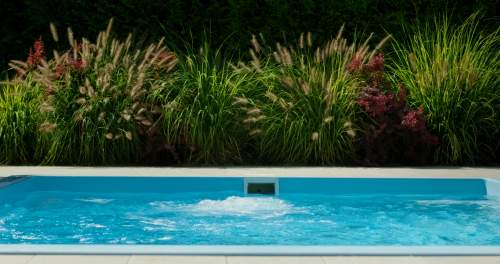
Swimming pools are another significant source of potential injuries during Labor Day weekend. Pools can become particularly dangerous when numerous guests are present. People may be entering and exiting the pool, children may be running around wet surfaces, and guests may be unfamiliar with the property. Potential hazards include:
- Slippery surfaces
- Missing or inadequate barriers
- Defective pool equipment
- Broken ladders or diving boards
- Poor lighting
- Inadequate maintenance
- Unmarked changes in pool depth
- Unsafe pool decks
Drowning and near-drowning incidents can result in catastrophic injuries or death. Children are especially vulnerable around swimming pools, which is why appropriate supervision and safety precautions are so important. When a serious pool accident occurs, determining who owned, controlled, maintained, or operated the pool may be essential.
What About a Dangerous Deck or Porch?
Labor Day parties frequently take place on decks, porches, patios, and outdoor entertaining areas. A deteriorated deck can present serious structural risks. Loose boards, damaged railings, defective stairs, or inadequate supports can cause someone to fall or, in severe circumstances, contribute to a structural collapse.
Property owners should take reasonable steps to maintain areas where guests are expected to walk and gather. If a deck or porch collapses because of a dangerous condition, the resulting injuries can be catastrophic. An investigation may need to determine:
- When the deck was constructed
- Whether permits were obtained
- Whether inspections occurred
- Whether repairs were previously performed
- Whether the owner knew about deterioration
- Whether contractors were involved
- Whether building codes were violated
- Whether the structure was properly maintained
In some cases, parties other than the property owner may potentially bear responsibility.
Can a Homeowner Be Sued if a Guest Is Injured?
Potentially, yes. But liability depends on the facts. A homeowner is not automatically responsible for every injury that occurs during a party. The injured person generally must establish the elements necessary for a premises liability claim. Relevant questions may include:
- Was there a dangerous condition?
- Who owned or controlled the property?
- Did the property owner know about the condition?
- Should the owner reasonably have discovered it?
- Did the owner fail to repair or warn about the hazard?
- Was the condition a proximate cause of the injury?
- Did the injured person act reasonably?
- Did the injured person contribute to the accident?
These questions are fact-specific, which is why photographs and other evidence from the accident scene can be extremely valuable.
What If a Child Is Injured at a Labor Day Party?
Children can face additional risks at holiday gatherings because they may not recognize hazards that an adult would immediately notice. Swimming pools, trampolines, stairs, decks, fire pits, and other features of a property can create serious dangers.
Illinois law includes special principles concerning children and certain dangerous artificial conditions. Depending on the circumstances, an attorney may need to evaluate whether a child was likely to encounter the condition, whether the risk was foreseeable, and whether reasonable precautions were taken.
Parents should document the accident, seek appropriate medical treatment, photograph the area where the injury occurred, and preserve any available evidence.
What Evidence Can Help Prove a Premises Liability Claim?
Evidence can be critical in a premises liability case because dangerous conditions can change quickly. A homeowner may repair a broken step after an accident. A spilled substance may be cleaned. A damaged railing may be replaced. A surveillance recording may eventually be overwritten. If possible, an injured person should photograph or record the condition that caused the accident. Useful evidence can include:
- Photographs of the dangerous condition
- Videos of the accident scene
- Witness statements
- Text messages or emails concerning the hazard
- Medical records
- Incident reports
- Maintenance records
- Inspection records
- Surveillance footage
- Property records
- Building code or inspection information
- Photographs taken before or after the accident
Witnesses can also be particularly valuable. A person who saw the dangerous condition before the accident may be able to provide information about how long it existed.
What Should You Do After Being Injured at a Labor Day Party?
After an accident, seek medical attention for any significant injury. Even if you initially believe you are fine, symptoms can develop later. You should also document what happened while your memory is fresh. Consider taking the following steps:
- Seek medical treatment.
- Photograph the location of the accident.
- Photograph the condition that caused the injury.
- Identify witnesses.
- Write down what happened as soon as possible.
- Preserve relevant text messages and communications.
- Report the incident to the property owner or responsible party.
- Keep medical bills and treatment records.
- Avoid posting details about the accident on social media.
- Consult an experienced personal injury attorney when appropriate.
Do not assume that a homeowner’s insurance company will automatically protect your interests. The insurer’s responsibility is to its policyholder, and the insurance company may investigate the claim from its own perspective.
What Compensation Can You Recover?
If a property owner or another responsible party is legally liable for an accident, an injured person may be able to seek compensation for damages. Depending on the circumstances, damages may include:
- Medical expenses
- Future medical care
- Lost wages
- Reduced earning capacity
- Physical pain and suffering
- Emotional distress
- Disability
- Disfigurement
- Loss of normal life
The value of a premises liability case depends on the severity of the injuries, the strength of the liability evidence, the amount of medical treatment, the impact on employment and daily life, and other factors.
What If You Were Partly Responsible for the Accident?
Insurance companies sometimes argue that an injured person contributed to an accident, for example, by failing to watch where they were walking or by engaging in some other allegedly careless conduct. That does not necessarily prevent recovery.
Illinois uses a modified comparative negligence system. The percentage of fault assigned to each party can affect the amount of compensation an injured person ultimately receives. Because comparative fault can significantly affect a claim, it is important to gather evidence showing precisely what caused the accident.
Frequently Asked Questions About Labor Day Party Injuries
Can I sue a homeowner if I fall at a Labor Day barbecue?
Potentially. A homeowner may be liable if a dangerous condition on the property caused your injury and the legal requirements for premises liability are satisfied. The facts of the accident must be evaluated individually.
What if the homeowner says they didn’t know about the hazard?
A lack of actual knowledge does not necessarily end the inquiry. Constructive notice may be relevant if the dangerous condition existed long enough that the property owner reasonably should have discovered it.
Can I file a claim for a pool accident at a private residence?
Potentially. Liability depends on the circumstances surrounding the pool, the dangerous condition, who controlled or maintained the property, and other relevant facts.
What if I was injured because of a broken deck?
A broken or structurally defective deck can potentially form the basis of a premises liability claim. An investigation may also need to determine whether a contractor, property manager, or another party contributed to the dangerous condition.
How long do I have to file a premises liability lawsuit in Illinois?
Illinois generally has a two-year statute of limitations for personal injury claims, although exceptions can apply. Claims involving governmental entities, minors, or other circumstances can involve different rules. Speaking with an attorney promptly can help ensure important deadlines are not missed.
Should I accept an insurance company’s settlement after a premises liability accident?
You should understand the full extent of your injuries and potential damages before accepting a settlement. Once a settlement is finalized, you generally cannot go back and request additional compensation simply because your injuries turn out to be more serious than initially expected.
Injured at a Labor Day Party? Contact the 5-Star Rated Illinois Injury Attorneys at John J. Malm & Associates
A Labor Day gathering should be a time for family, friends, and celebration—not a time when an unsafe property condition leaves someone facing months or years of medical treatment. Whether you suffered a serious slip and fall, were injured on a defective deck or staircase, or suffered an injury involving a swimming pool or another dangerous condition, determining who was responsible can be complicated.
John J. Malm & Associates represents injured people in premises liability cases throughout Illinois and can investigate the circumstances surrounding your accident, identify potentially responsible parties, and pursue the compensation you may be entitled to receive. If you or someone you love was injured at a Labor Day gathering because of a dangerous property condition, contact John J. Malm & Associates today for a free consultation. The sooner an investigation begins, the greater the opportunity to preserve important evidence and protect your legal rights.