- Free Consultation: (630) 527-4177 Tap Here to Call Us













Why Orthopedic Imaging After a Car Accident Matters


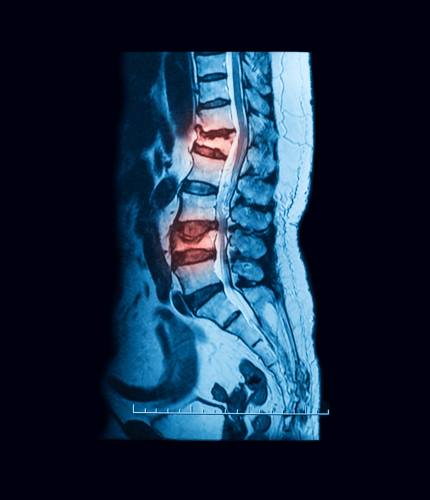
If you’ve been involved in a car accident, one of the most important steps in your recovery, and in documenting your injuries for a potential legal claim, is orthopedic imaging. Even in crashes where you initially feel “fine,” imaging studies such as X-rays, CT scans, and MRI scans can uncover hidden trauma, guide appropriate medical care, and provide strong evidence for insurance and legal proceedings.
In this blog, we explain what orthopedic imaging is, why it matters after a car accident, what types of studies may be used, and how imaging affects both your medical treatment and your personal injury claim. Understanding these basics helps ensure you get proper treatment and protect your rights.
“Orthopedic imaging is often the foundation of both medical diagnosis and legal proof after a car accident. Clear, detailed imaging protects your health and strengthens your claim, making it harder for insurers to deny the reality of your injuries.” — John J. Malm, Naperville injury attorney.
What Is Orthopedic Imaging?
Orthopedic imaging refers to medical diagnostic tests that produce detailed visual representations of your musculoskeletal system following injury. These images help physicians locate and evaluate trauma to bones, joints, ligaments, tendons, spinal discs, and soft tissues, structures often injured in car accidents but not always immediately symptomatic or visible to the naked eye.
Common types of orthopedic imaging used after motor vehicle collisions include:
- X-rays: Provide quick images of bones and joints, ideal for identifying fractures and dislocations.
- Computed Tomography (CT) scans: Produce cross-sectional 3-D images of bones and internal structures, often used for more detailed evaluation of trauma.
- Magnetic Resonance Imaging (MRI) scans: Offer high-resolution images of soft tissues, ligaments, discs, nerves, and spinal cord without radiation exposure.
- Ultrasound: Uses sound waves to visualize muscles, tendons, fluid pockets, and soft tissue injuries, often used in follow-up or ongoing monitoring.
Each type of imaging has its role and strengths. Together, they create a comprehensive picture of injury severity and help physicians formulate an appropriate treatment plan. Imaging also produces objective medical evidence that insurers and courts rely on when evaluating personal injury claims.
Why Orthopedic Imaging Is Critical After a Crash
Car accidents expose your body to forces far beyond normal daily stresses. The sudden acceleration, deceleration, and impact of a crash can cause injuries throughout the musculoskeletal system, even when victims initially feel only mild discomfort.
Hidden or Delayed Symptoms
Adrenaline and shock following a collision can mask symptoms, making significant injuries appear delayed or subtle in early stages. It’s common for injured people to feel fine at the scene only to develop pain, stiffness, or weakness hours or days later.
Frequency of Imaging in Emergency Care
According to national data, imaging tests are ordered in over 70% of emergency department visits for motor vehicle traffic injuries, a higher rate than for many other causes of injury. This high utilization reflects the importance clinicians place on imaging in trauma assessment.
Detecting Injuries That Might Be Invisible Otherwise
X-rays can readily identify fractures, but they often miss soft tissue injuries such as ligament tears, disc herniations, and nerve compression. MRI scans and CT scans fill this gap:
- MRI has the unique ability to visualize soft tissues, including muscles, ligaments, spinal discs, and nerve pathways. It provides detailed images that often show injuries that X-rays miss entirely.
- CT scans give fast and detailed imaging of bones and internal structures and are especially useful when assessing trauma in high-impact crashes.
These modalities help detect injuries ranging from whiplash and soft-tissue damage to spinal cord trauma and traumatic brain injuries, conditions that can lead to chronic pain or disability without proper diagnosis and treatment.
Types of Injuries Orthopedic Imaging Can Detect
Orthopedic imaging is especially useful in identifying these common car accident injuries:
1. Bone Fractures and Dislocations: X-rays and CT scans are particularly effective in diagnosing fractures of long bones, vertebrae, ribs, shoulders, and pelvis.
2. Spinal Injuries and Disc Herniations: MRI scans are the gold standard for evaluating soft-tissue damage to the spinal column, such as disc bulges or herniated discs that may compress nerve roots and cause radiating pain.
3. Ligament and Tendon Tears: Accidents that cause hyperextension or sudden twisting can tear ligaments in shoulders, knees, or ankles. These injuries may not show on X-ray but are visible on MRI.
4. Soft Tissue and Nerve Injuries: Soft tissues such as muscles and nerves are invisible on basic X-rays but clearly visible on MRI, which reveals swelling, strains, or compressions.
5. Traumatic Brain Injury (TBI): While not strictly “orthopedic,” head trauma often co-occurs with musculoskeletal injury. CT and MRI imaging detect subtle brain injuries that could otherwise go unnoticed.
How Orthopedic Imaging Benefits Your Injury Claim
Beyond medical necessity, imaging plays a crucial role in building a strong personal injury claim after a car accident.
Objective Documentation of Injury
Insurance companies frequently challenge claims by minimizing the severity of injury or questioning whether the trauma was caused by the accident. High-quality imaging provides objective, visual proof of damage, supporting both medical and legal arguments.
MRI scans and CT imaging can:
- Confirm the presence and extent of injury
- Correlate your symptoms with internal damage
- Validate the need for ongoing treatment or future medical care
- Strengthen your overall claim for compensation
Supporting Fair Compensation for Damages
Imaging that illustrates serious injury makes it more difficult for insurers to undervalue your claim. By establishing a clear medical record of injury, imaging supports compensation for:
- Medical expenses (past and future)
- Lost wages or earning capacity
- Pain and suffering
- Permanent impairment or disability
- Rehabilitation and therapy costs
Without detailed imaging, insurers might argue that your injuries were minor or unrelated to the accident, significantly reducing potential compensation.
When to Seek Orthopedic Imaging After a Crash
If you’ve been involved in a motor vehicle collision, seek medical evaluation and appropriate imaging promptly. Even if symptoms are mild initially, imaging can reveal conditions that worsen without treatment. Consider imaging when you have:
- Neck or back pain
- Persistent headaches
- Shoulder, elbow, knee, or wrist pain
- Numbness, tingling, or radiating pain
- Restricted range of motion
- Spinal or neurological complaints
Immediate imaging serves both your health interests and your legal rights. Delay may provide insurers with leverage to argue that symptoms were unrelated to the crash.
Frequently Asked Questions about Imaging After a Car Accident
Q: Are X-rays always necessary after a car accident?
A: X-rays are typically ordered to identify fractures or skeletal abnormalities. However, they may not detect soft tissue or nerve injuries. For those injuries, MRI or CT scans are more informative.
Q: How soon after a crash should I get imaging?
A: Seek medical evaluation as soon as possible. Imaging done close to the accident date helps establish a clear link between the crash and your injuries, which can strengthen your claim.
Q: Is MRI better than CT?
A: MRI is superior for visualizing soft tissues like ligaments, discs, and nerves. CT scans excel at detailed imaging of bones and internal structures and are often used in emergency settings.
Q: Will insurance cover imaging?
A: Most health and auto insurance policies cover medically necessary imaging ordered by a healthcare provider, though coverage levels vary by plan.
Q: What if my imaging is “normal” but I still have pain?
A: A normal imaging study doesn’t mean you don’t have compensable injury. Some conditions require clinical correlation and further evaluation by specialists.
Contact the 5-Star Rated Illinois Car Accident Lawyers at John J. Malm & Associates
Orthopedic imaging is not just a medical formality, it’s a vital step in accurately diagnosing injuries, guiding appropriate treatment, and preserving your legal rights after a car accident. Whether through X-rays, CT scans, or MRI scans, imaging provides objective evidence that protects your health and supports your injury claim.
If you or a loved one has been injured in a crash, do not underestimate the importance of timely and comprehensive imaging. At John J. Malm & Associates, our experienced team of Illinois car accident attorneys understands how to integrate imaging results into a compelling personal injury claim that seeks full compensation for your damages.
Contact our firm today for a free consultation. We will review your medical imaging, assess your injuries, and help you navigate the legal process with confidence and skill. Your health and your future deserve nothing less than thorough care and experienced advocacy.