- Free Consultation: (630) 527-4177 Tap Here to Call Us














Why You Should Never Drive Over the Posted Speed Limit in Winter Weather


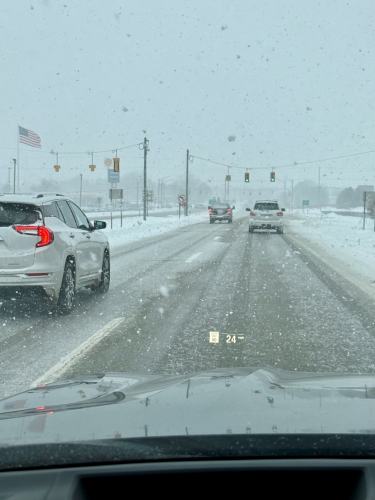
Winter driving conditions pose unique risks that make obeying, and often exceedingly exceeding, posted speed limits especially dangerous. Snow, ice, freezing rain, and poor visibility all reduce traction, increase stopping distances, and make routine driving tasks far more hazardous. Drivers who fail to adjust their speed to the conditions increase the likelihood of car accidents, serious injuries, and fatalities. This blog explains why reducing your speed below posted limits during winter weather is essential and offers practical advice to keep you and others safer on the road.
“Winter roads demand respect. The posted speed limit tells you what’s legal under ideal conditions, but safe driving in snow and ice requires discipline to slow far below those numbers when necessary. Choosing speed over safety can cost lives and shatter families.” — John J. Malm, Naperville Personal Injury Attorney
How Winter Weather Changes Roadway Safety
Winter weather affects driving in several predictable ways:
- Reduced traction: Snow and ice compromise tire grip, making it harder to accelerate, turn, and stop safely.
- Longer stopping distances: On icy or snowy pavement, stopping distances can be several times longer than on dry pavement.
- Limited visibility: Snowfall, blowing snow, and glare from low winter sun can reduce a driver’s ability to see hazards ahead.
- Unpredictable road surfaces: Black ice, slush, and snow drifts create surfaces that can shift from passable to dangerous in an instant.
These hazards mean that traveling at or above the posted speed limit, even if legal, can be unsafe when conditions are poor. Roadway safety officials emphasize that posted limits are designed for ideal conditions; when conditions deteriorate, so must your speed.
The Role of Speed in Winter Crashes: What the Data Shows
Speed as a Factor in Winter Crashes
Winter crash data consistently shows that speeding, whether exceeding the posted limit or simply driving too fast for the conditions, is a leading causal factor in winter collisions:
- In Michigan, more than 27% of drivers involved in winter crashes were traveling at speeds deemed too fast for conditions, even when they might not have exceeded the posted limit.
- Michigan winter crash reports also indicate that most winter crashes are caused by drivers going too fast for the road conditions, underscoring the need to reduce speed substantially during snow and ice.
- Data from a statewide traffic crash report showed that in winter weather crashes, more than half of the reported improper actions involved driving too fast for the conditions, contributing to loss of control and crashes.
Across regions with snowy winters, state patrol investigations have confirmed that speeding is the biggest factor in winter crashes, increasing the likelihood of serious injury or death. In Colorado, for example, troopers reported that drivers who failed to adjust speed for wintry conditions were 2.5 times more likely to be involved in serious or fatal crashes than during mild weather months.
These findings are consistent with broader national traffic safety research showing that speed increases both crash likelihood and crash severity. Higher speeds give drivers less time to react and increase the force of impact if a collision occurs.
Why Obeying Posted Limits Isn’t Always Enough
It’s critical to understand that the posted speed limit is not the “safe speed” in winter conditions. Laws in many states, including Michigan’s “basic speed rule,” require drivers to travel at a speed that is reasonable and prudent for the current conditions, even when that means driving below the posted limit.
- On snow or ice, your ability to stop within the distance you can see ahead is severely diminished.
- Even 5–10 mph over the safe stopping speed can lead to loss of control.
- Some crashes occur when drivers maintain normal highway speeds long after conditions have deteriorated.
Winter weather demands condition-adjusted speed, not just compliance with the signs. The key is slowing enough to maintain control, see and react to hazards, and stop safely if needed.
Practical Tips for Adjusting Speed in Winter Conditions
Here are habit-building practices for safer winter driving:
- Slow down early: Don’t wait until you encounter ice to reduce speed. Anticipate poor conditions and start slowing ahead of time.
- Increase following distance: On slick roads, leave many times the usual gap between your vehicle and the one ahead.
- Avoid cruise control: Automated speed control can maintain unsafe speeds on slippery surfaces.
- Brake gently: Abrupt braking can lead to skids. Apply steady, gradual pressure if your vehicle doesn’t have ABS, and understand how ABS feels so you can use it correctly.
- Choose appropriate tires: Winter or all-season tires with good tread significantly improve traction under snow and ice.
- Plan alternate routes: Main roads may be plowed sooner than side streets; sometimes it’s safer to take a slightly longer but better-maintained path.
Real-World Example: The Difference Speed Makes
Imagine two identical vehicles traveling through the same snowstorm:
- Car A is traveling 10 mph below the posted limit.
- Car B is traveling at the posted limit (or slightly above).
Both encounter a patch of black ice. Car A has extra time to detect the slick surface and begins braking early, maintaining control and slowing safely through the hazard. Car B has less time to react, brakes abruptly, and slides into an adjacent lane. The difference of a few mph, coupled with better anticipation, makes the difference between a near-miss and a collision.
Frequently Asked Questions about Driving in Winter Weather
Q: Is it legal to drive below the speed limit in winter?
A: Yes, and often advisable. Most states allow drivers to travel below the posted speed limit when conditions warrant. Some jurisdictions also enforce “basic speed” laws that require speeds reasonable for conditions, regardless of the posted limit.
Q: Can I be ticketed for driving at the posted limit in snow or ice?
A: Yes. Law enforcement can cite drivers for going “too fast for conditions” if road conditions make the posted speed unsafe.
Q: How does speed affect stopping distance in winter?
A: Stopping distances increase dramatically on snow and ice; on icy surfaces, it can take several times longer to stop than on dry pavement.
Q: Does having four-wheel drive mean I can drive faster in snow?
A: No. Four-wheel or all-wheel drive helps with traction while accelerating but does not significantly improve your ability to stop or turn on slippery surfaces.
Q: What should I do if someone tailgates me because I’m driving slower for conditions?
A: Maintain safe control. If safe to do so, let them pass when there’s room or move over to allow them to go around. Your priority is safety, not satisfying other drivers.
Contact the Experienced Illinois Winter Weather Car Accident Lawyers at John J. Malm & Associates
Winter weather crashes are preventable. Slowing down, adjusting your driving for conditions, and obeying posted speed limits, but more importantly safe speeds given the weather, can mean the difference between arriving home safely and heading to a hospital or worse. With thousands of winter crashes occurring annually on snowy and icy roads, the data is clear: higher speed in treacherous conditions equals more crashes, more severe injuries, and more lives affected.
If you or a loved one has been injured in a winter weather crash caused by speeding, reckless driving, or failure to adjust to conditions, you deserve justice and compensation. At John J. Malm & Associates, our Illinois car accident attorneys are dedicated to holding negligent drivers accountable and helping victims recover what they need for medical bills, lost wages, and the road to recovery.
Don’t wait. Contact our experienced team today for a free consultation and let us stand up for you after a winter weather accident.