- Free Consultation: (630) 527-4177 Tap Here to Call Us





Liability for Bars That Overserve Alcohol on St. Patrick’s Day


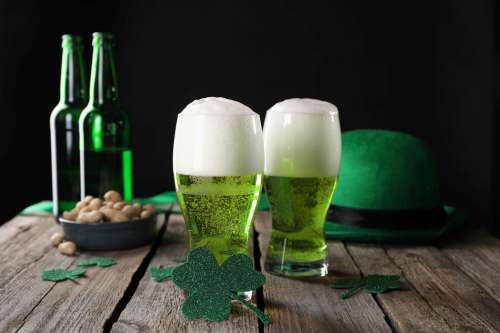
St. Patrick’s Day is widely known for parades, parties, and packed bars celebrating Irish culture. Unfortunately, it is also one of the most dangerous days of the year for alcohol-related accidents. When bars or restaurants continue serving alcohol to patrons who become intoxicated, serious injuries can occur, especially when those patrons get behind the wheel.
Illinois law addresses this risk through the Dram Shop Act, which allows injured victims to pursue compensation from businesses that contributed to someone’s intoxication. Understanding how this law works is particularly important during high-drinking holidays like St. Patrick’s Day.
In this blog, we explain how the Illinois Dram Shop Act applies to overserving alcohol, why St. Patrick’s Day presents heightened risks, and what victims should know about holding negligent establishments accountable.
“Bars and restaurants that overserve alcohol on St. Patrick’s day have a duty to the public, and when they breach that duty, victims deserve accountability and full compensation for their losses.” — John J. Malm, Naperville personal injury attorney
Why St. Patrick’s Day Is One of the Most Dangerous Drinking Holidays
St. Patrick’s Day consistently ranks among the holidays with the highest rates of alcohol consumption and impaired driving. Bars, pubs, and restaurants often host day-long celebrations, drink specials, and crowded events that encourage heavy drinking.
Statistics highlight the risks:
- Alcohol-related crashes spike during St. Patrick’s Day celebrations, especially late at night and in the early morning hours.
- 34% of drunk passenger car drivers and 41% of intoxicated motorcyclists were involved in fatal crashes during the St. Patrick’s Day holiday period in recent data.
- Illinois recorded 21,975 DUI arrests in 2023, reflecting the ongoing dangers posed by impaired drivers.
- Alcohol contributed to 23% of all traffic fatalities in Illinois, showing the continuing public safety threat posed by drunk driving.
Because of these risks, Illinois law places legal responsibility not only on drunk drivers but also on alcohol vendors who contribute to intoxication.
What Is the Illinois Dram Shop Act?
The Illinois Dram Shop Act, part of the Liquor Control Act (235 ILCS 5/6-21), creates civil liability for businesses that sell or serve alcohol when that alcohol contributes to injuries caused by an intoxicated person.
The law recognizes that establishments that profit from alcohol sales also have a responsibility to protect the public from foreseeable harm.
Under the statute, victims can bring claims against:
- Bars and taverns
- Restaurants serving alcohol
- Nightclubs
- Liquor stores
- Other licensed alcohol vendors
If alcohol sold by one of these businesses contributed to a person’s intoxication and that intoxication caused injury or property damage, the establishment may be held financially liable. Importantly, Illinois’ dram shop law is considered broader than those in some other states because liability can exist even if the establishment did not knowingly serve someone who was visibly intoxicated.
How Overserving Alcohol Can Lead to Liability
During large celebrations like St. Patrick’s Day, bars may become crowded and chaotic. Servers may struggle to monitor how much each customer has consumed, increasing the likelihood that someone will be overserved.
Overserving can occur when establishments:
- Continue serving drinks to patrons who show signs of intoxication
- Offer rapid drink refills or unlimited drink specials
- Fail to monitor alcohol consumption
- Allow patrons to consume excessive alcohol over a short period
- Ignore obvious signs of impairment such as slurred speech or unsteady movement
When these actions contribute to someone becoming intoxicated and that person causes an accident, the business that served the alcohol may share legal responsibility.
When a Bar Can Be Held Liable Under the Dram Shop Act
To succeed in a dram shop claim in Illinois, an injured person generally must show three key elements:
- The business sold or provided alcohol to the person who caused the injury
- The alcohol sold materially contributed to the person’s intoxication
- The intoxication was a proximate cause of the injury or damages
If these elements are proven, the injured victim may pursue compensation from the alcohol vendor.
Dram shop claims commonly arise in cases involving:
- Drunk driving crashes
- Pedestrian accidents
- Assaults or fights involving intoxicated individuals
- Property damage caused by intoxicated patrons
Multiple establishments may even share liability if a patron was served alcohol at several bars before the incident occurred.
Evidence That Can Prove Overserving
Dram shop cases often require detailed evidence showing how the establishment contributed to the intoxication.
Common types of evidence include:
- Bar receipts or tabs showing the number of drinks served
- Surveillance footage documenting alcohol consumption
- Witness statements from bartenders, servers, or patrons
- Police reports describing intoxication
- Blood alcohol concentration (BAC) tests
- Social media posts or photos from the night of the incident
Investigators may also review staff training records, alcohol service policies, and security footage to determine whether the establishment followed responsible service practices.
Liability Limits Under the Illinois Dram Shop Act
Unlike traditional personal injury claims, damages under the Dram Shop Act are capped and adjusted annually.
For claims with judgments or settlements entered after January 20, 2025:
- Maximum recovery for personal injury or property damage: approximately $88,051.76 per person
- Maximum recovery for loss of support or loss of society: approximately $107,618.82
These limits apply specifically to dram shop claims against alcohol vendors. Victims may still pursue additional compensation from the intoxicated driver or other responsible parties.
Dram Shop Claims vs. Social Host Liability
One important feature of Illinois law is that dram shop liability generally applies only to commercial alcohol vendors.
In most situations:
- Bars and restaurants may be held liable for overserving alcohol.
- Private hosts who serve alcohol at parties are typically not liable for injuries caused by intoxicated guests.
There are limited exceptions, such as when alcohol is served to minors. This distinction makes the Dram Shop Act particularly important in cases involving bars or restaurants hosting St. Patrick’s Day celebrations.
Why Dram Shop Laws Exist
Dram shop laws were created to address the public safety risks associated with alcohol sales.
They serve several key purposes:
- Encouraging responsible alcohol service practices
- Deterring establishments from overserving patrons
- Providing compensation for victims injured by intoxicated individuals
- Promoting safer communities
Without these laws, injured victims would often have no recourse beyond suing the intoxicated individual, who may lack sufficient insurance or financial resources.
Preventing Overserving During Holiday Celebrations
Responsible alcohol vendors take proactive steps to prevent intoxication-related incidents.
Common safety practices include:
- Training staff to recognize signs of intoxication
- Limiting drink specials or rapid service promotions
- Tracking drink orders and consumption
- Refusing service to intoxicated patrons
- Offering transportation options such as taxis or rideshare services
These measures help reduce the likelihood of tragic accidents after holiday celebrations.
Frequently Asked Questions About Dram Shop Liability
Q: Can I sue a bar if a drunk driver caused my accident?
A: Yes. Under the Illinois Dram Shop Act, you may pursue a claim against a bar, restaurant, or other alcohol vendor if the alcohol they sold contributed to the driver’s intoxication and resulting accident.
Q: Does the bar have to know the person was drunk?
A: No. Unlike some states, Illinois does not always require proof that the establishment knew the patron was visibly intoxicated. Liability may exist if the alcohol sold contributed to intoxication that caused the injury.
Q: What is the time limit to file a dram shop claim?
A: Dram shop claims in Illinois typically must be filed within one year of the incident, which is shorter than the statute of limitations for most personal injury claims.
Q: Can multiple bars be responsible for the same accident?
A: Yes. If a person consumed alcohol at multiple establishments before causing an accident, more than one bar may share liability.
Q: Can private party hosts be sued under dram shop laws?
A: Generally no. Illinois dram shop liability usually applies only to businesses that sell alcohol, not private hosts serving drinks at social gatherings.
Q: What damages can be recovered?
A: Victims may seek compensation for:
- Medical bills
- Lost wages
- Pain and suffering
- Loss of companionship in wrongful death cases
However, dram shop claims are subject to statutory damage caps.
Contact John J. Malm & Associates if You Were Injured by an Intoxicated Driver
St. Patrick’s Day should be a time for celebration, not tragedy. Unfortunately, overserving alcohol during holiday festivities can lead to devastating drunk driving crashes and serious injuries.
If you or a loved one was injured by an intoxicated driver, the responsible party may not be limited to the driver alone. Under the Illinois Dram Shop Act, bars and restaurants that contributed to someone’s intoxication can also be held accountable.
The top Illinois personal attorneys at John J. Malm & Associates understand how to investigate dram shop cases, gather evidence, and pursue compensation from negligent establishments. Our team will thoroughly review bar receipts, surveillance footage, witness testimony, and other evidence to determine whether a bar or restaurant played a role in the incident.
You should not have to bear the financial burden of someone else’s irresponsible drinking. Contact John J. Malm & Associates today for a free consultation. Our firm will fight to protect your rights, hold negligent establishments accountable, and pursue the compensation you deserve after a serious alcohol-related accident.