- Free Consultation: (630) 527-4177 Tap Here to Call Us















Is Illinois a No-Fault State?


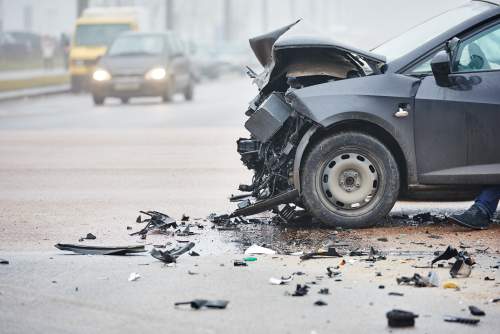
After a car accident, many people wonder who will pay for medical bills, lost wages, and property damage. One of the most common questions accident victims ask is whether Illinois follows a no-fault insurance system. The answer can significantly affect how a claim is handled and what legal options are available.
Understanding whether Illinois is a no-fault state, and how the state’s insurance laws work, can help accident victims protect their rights and pursue fair compensation. Below, we explain how Illinois handles car accident claims, how fault is determined, and what steps injured drivers can take to recover compensation.
Is Illinois a No-Fault State?
No. Illinois is not a no-fault state. Instead, it follows a fault-based (or “tort”) system, meaning the driver who causes the crash is responsible for paying damages resulting from the accident.
In a fault-based system, accident victims typically seek compensation by filing a claim against the at-fault driver’s insurance company or by filing a personal injury lawsuit.
What This Means for Accident Victims
If another driver caused your crash in Illinois, you generally have the right to pursue compensation for damages such as:
- Medical bills
- Lost wages
- Vehicle repairs or replacement
- Pain and suffering
- Future medical care
- Permanent disability or disfigurement
Because Illinois is a fault state, proving who caused the accident is critical to recovering compensation.
“Many people assume Illinois is a no-fault state, but that’s not the case,” says John J. Malm, Naperville injury attorney. “Because Illinois uses a fault-based system, proving negligence is essential to recovering compensation after a crash. An experienced attorney can help gather evidence, work with experts, and hold the responsible driver accountable.”
What Is a No-Fault Insurance State?
To understand Illinois law, it helps to know how no-fault systems work.
In a no-fault state, drivers turn to their own insurance policies to pay for injuries and medical expenses after a crash, regardless of who caused the accident. These states require a type of coverage called Personal Injury Protection (PIP).
PIP insurance typically covers:
- Medical expenses
- Rehabilitation costs
- A portion of lost wages
- Essential services such as childcare
However, no-fault states often restrict the ability to sue the at-fault driver unless injuries meet a serious-injury threshold.
Key Differences Between Fault and No-Fault Systems
Fault states (like Illinois):
- The at-fault driver’s insurance pays for damages
- Victims can pursue lawsuits for full compensation
- Proving negligence is required
No-fault states:
- Each driver uses their own insurance first
- PIP coverage is mandatory
- Lawsuits may be limited unless injuries are severe
Because Illinois is not a no-fault state, injured victims typically have broader rights to pursue damages.
Illinois Car Accident Statistics
Motor vehicle crashes remain a significant public safety issue across Illinois.
According to the Illinois Department of Transportation:
- 303,913 motor vehicle crashes occurred in Illinois in 2024
- 63,109 crashes resulted in injuries
- 1,085 crashes were fatal
Additional data from the same report highlights the causes of serious accidents:
- Speeding contributed to 31.1% of total crashes
- Speeding contributed to 45.3% of fatal crashes
- Tractor-trailer crashes accounted for 3.7% of all crashes
These statistics show how frequently crashes occur and why understanding Illinois insurance laws is so important for accident victims.
Illinois Uses a Comparative Fault System
Even though Illinois is a fault state, determining liability is not always straightforward. Many accidents involve multiple contributing factors.
Illinois follows a modified comparative negligence rule under 735 ILCS 5/2-1116.
How Comparative Fault Works
Under this rule:
- You can recover damages if you are less than 50% at fault
- Your compensation is reduced by your percentage of fault
- If you are 51% or more responsible, you cannot recover damages
Example
If your total damages equal $100,000 and you are found 20% at fault, your compensation would be reduced by 20%, meaning you could recover $80,000.
This system makes accident investigations and legal representation especially important.
Minimum Car Insurance Requirements in Illinois
Illinois law requires all drivers to carry minimum liability insurance coverage.
Under Illinois law (625 ILCS 5/7-601), drivers must carry at least:
- $25,000 bodily injury liability per person
- $50,000 bodily injury liability per accident
- $20,000 property damage liability coverage
These policies pay for damages if the insured driver causes an accident.
However, serious accidents often involve damages far exceeding these minimum limits, which is why many drivers carry additional coverage.
Types of Compensation Available After an Illinois Car Accident
Because Illinois allows victims to pursue claims against at-fault drivers, accident victims may recover both economic and non-economic damages.
Economic Damages
These damages compensate victims for measurable financial losses, including:
- Medical bills
- Physical therapy and rehabilitation costs
- Lost wages
- Reduced earning capacity
Non-Economic Damages
These damages compensate for intangible losses such as:
- Pain and suffering
- Emotional distress
- Loss of normal life
- Disability or disfigurement
Non-economic damages can represent a significant portion of a personal injury claim, especially in serious injury cases.
Steps to Take After a Car Accident in Illinois
Because fault must be proven in Illinois, the steps taken after a crash can greatly affect the outcome of a claim.
Important Steps to Protect Your Rights
After a car accident, consider taking the following steps:
- Call 911 and report the crash
- Seek medical treatment immediately
- Exchange information with the other driver
- Take photos of the scene and vehicle damage
- Obtain witness statements if possible
- Request a copy of the police report
- Contact an experienced Illinois car accident attorney
Evidence gathered early in the process can play a crucial role in determining fault and proving damages.
Frequently Asked Questions about Fault in Illinois Crashes
Q: Is Illinois a no-fault state for car accidents?
A: No. Illinois follows a fault-based insurance system, meaning the driver responsible for the crash is financially responsible for damages.
Q: What happens if both drivers share fault?
A: Illinois uses modified comparative negligence, meaning you can still recover damages if you are 50% or less at fault, though your compensation will be reduced by your share of fault.
Q: Do I have to file a claim with my own insurance?
A: In many cases, accident victims file claims against the at-fault driver’s insurance company. However, your own policy may provide coverage through MedPay, collision coverage, or uninsured motorist coverage.
Q: Can I sue the at-fault driver in Illinois?
A: Yes. Because Illinois is a fault state, injured victims may file a personal injury lawsuit against the negligent driver to recover damages such as medical expenses, lost income, and pain and suffering.
Q: What if the at-fault driver doesn’t have insurance?
A: If the driver who caused the crash is uninsured or underinsured, you may still be able to recover compensation through uninsured/underinsured motorist coverage (UM/UIM) on your own insurance policy.
Q: How long do I have to file a car accident claim in Illinois?
A: In most cases, the statute of limitations for personal injury claims in Illinois is two years from the date of the accident. Missing this deadline may prevent you from recovering compensation.
Contact the Trusted Illinois Car Accident Lawyers at John J. Malm & Associates
Understanding whether Illinois is a no-fault state is more than just a legal technicality, it directly affects how accident claims are handled and how victims pursue compensation. Because Illinois follows a fault-based system, proving negligence and establishing liability are essential steps in recovering damages.
With hundreds of thousands of crashes occurring in Illinois every year, accident victims often face medical bills, lost income, and uncertainty about their legal rights. An experienced car accident attorney can investigate the crash, gather evidence, negotiate with insurance companies, and fight for the compensation you deserve.
If you or a loved one has been injured in a car accident, the top Illinois car crash attorneys at John J. Malm & Associates are here to help. Contact us today for a free consultation to discuss your case and learn how we can help you pursue maximum compensation for your injuries.