- Free Consultation: (630) 527-4177 Tap Here to Call Us
















The Impact of Hip and Pelvic Fractures on Nursing Home Residents


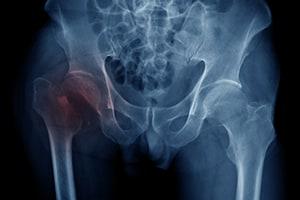
Hip and pelvic fractures are among the most devastating injuries a nursing home resident can suffer. For elderly individuals, many of whom already struggle with limited mobility, chronic illness, or cognitive impairment, these fractures often mark the beginning of a rapid and irreversible decline. In far too many cases, what should have been a preventable fall becomes a life-altering or fatal event due to inadequate supervision, delayed medical care, or systemic neglect within a long-term care facility.
In this blog, we examine the medical, functional, emotional, and legal consequences of hip and pelvic fractures in nursing homes, when these injuries may be evidence of nursing home negligence, and what families can do to protect their loved ones.
Why Hip and Pelvic Fractures Are So Dangerous for Elderly Nursing Home Residents
Hip and pelvic fractures are not merely broken bones. In elderly patients, especially those residing in nursing homes, they are frequently associated with catastrophic outcomes, including permanent disability and death. Age-related bone loss, poor balance, muscle weakness, and slower healing all compound the severity of these injuries.
Research consistently shows that mortality rates following a hip fracture are significantly higher in nursing home residents than in community-dwelling seniors. One major study found that one in three nursing home residents dies within 180 days of a hip fracture, with mortality rates even higher among male residents . These deaths are often linked not just to the fracture itself, but to complications such as infections, pressure ulcers, blood clots, and pneumonia.
Pelvic fractures, often dismissed as “less serious,” carry similar risks. Low-energy pelvic fractures in elderly patients have been associated with one-year mortality rates exceeding 16% and five-year mortality rates over 58%, underscoring how dangerous these injuries truly are for frail seniors.
How Hip and Pelvic Fractures Occur in Nursing Homes
The overwhelming majority of hip and pelvic fractures in nursing homes are caused by falls, not unavoidable accidents. According to the Centers for Disease Control and Prevention, over 95% of hip fractures in older adults are caused by falls, and falls account for more than 300,000 hospitalizations each year for hip fractures in the United States.
In nursing home settings, these falls often occur because of preventable hazards or failures, including:
- Inadequate supervision of high-risk residents
- Failure to assist with transfers, toileting, or ambulation
- Slippery floors, poor lighting, or cluttered walkways
- Improper use of bed rails or alarms
- Ignoring fall-risk assessments or care plans
Video-based research conducted in long-term care facilities confirms that most hip-fracture-causing falls occur during routine activities, such as walking or standing up, rather than extraordinary events.
Medical Complications Following Hip and Pelvic Fractures
For nursing home residents, the injury itself is only the beginning. Hip and pelvic fractures frequently trigger a cascade of serious medical complications, many of which prove fatal.
Common Medical Complications Include:
- Infections, including pneumonia and urinary tract infections
- Pressure ulcers (bedsores) due to prolonged immobility
- Deep vein thrombosis and pulmonary embolism
- Sepsis following surgery or untreated wounds
- Post-surgical complications, including hardware failure or infection
Studies show that nursing home residents with hip fractures experience rehospitalization rates more than ten times higher than residents without fractures, reflecting the severity of post-injury complications.
Loss of Mobility and Independence After a Fracture
Even when a resident survives a hip or pelvic fracture, the loss of independence is often permanent. Fewer than 35% of older adults return to their prior level of mobility or independence following a hip fracture, and 10% to 20% require long-term institutional care within one year of the injury.
For residents already living in nursing homes, this decline often means:
- Permanent confinement to a wheelchair or bed
- Loss of ability to toilet, bathe, or feed themselves
- Increased reliance on staff for all activities of daily living
- Accelerated cognitive decline due to immobility and isolation
These outcomes significantly diminish quality of life and increase the risk of further neglect or abuse.
Psychological and Emotional Effects on Residents
The emotional toll of hip and pelvic fractures is frequently overlooked. Elderly residents often experience profound psychological harm following these injuries, including:
- Depression and anxiety
- Fear of falling again
- Social withdrawal
- Loss of dignity and self-worth
Depression is particularly common among nursing home residents after a fracture and is strongly associated with poorer recovery outcomes and increased mortality.
When Hip and Pelvic Fractures Signal Nursing Home Negligence
Not every fall constitutes negligence. However, many hip and pelvic fractures in nursing homes are preventable, and facilities may be legally responsible when they fail to provide reasonable care.
Potential signs of negligence include:
- Ignoring known fall risks or prior fall history
- Inadequate staffing levels
- Failure to implement fall-prevention protocols
- Delayed medical treatment after a fall
- Poor documentation or altered records
As John J. Malm, Naperville nursing home neglect attorney, explains:
“When a nursing home resident suffers a hip or pelvic fracture, families should never assume it was unavoidable. These injuries often point to systemic failures, like understaffing, poor supervision, or outright neglect, that nursing homes have a legal duty to prevent.”
Legal Rights of Families After a Nursing Home Fracture
Under Illinois law, nursing homes are required to provide residents with adequate care, supervision, and a safe living environment. When a facility’s failure leads to a serious fracture, families may be entitled to pursue compensation for:
- Medical and surgical expenses
- Pain and suffering
- Loss of dignity and quality of life
- Disability and long-term care costs
- Wrongful death damages, when applicable
Prompt legal action is critical, as evidence can disappear quickly and strict deadlines apply.
Frequently Asked Questions about Hip Fractures in Nursing Home Residents
Q: Are hip fractures life-threatening for nursing home residents?
A: Yes. Studies show that approximately one-third of nursing home residents die within six months of a hip fracture, making these injuries among the deadliest events elderly residents face .
Q: Are pelvic fractures less serious than hip fractures?
A: No. While pelvic fractures may not always require surgery, they carry significant mortality and long-term disability risks, particularly for frail or immobile residents .
Q: How long does recovery take after a hip fracture?
A: Recovery can take months and, in many cases, residents never regain their prior level of function. Many experience permanent mobility loss.
Q: Can a nursing home be sued for a fall?
A: Yes, if the fall resulted from negligence, inadequate supervision, unsafe conditions, or failure to follow a resident’s care plan.
Q: What should families do after a hip fracture?
A: Families should seek immediate medical attention, document injuries and conditions, request records, and consult an experienced Illinois nursing home abuse attorney as soon as possible.
Top-Rated Illinois Injury Lawyers Holding Nursing Homes Accountable After Preventable Fractures
Hip and pelvic fractures should never be dismissed as “just part of aging.” In nursing homes, these injuries are often predictable, preventable, and devastating. When facilities fail to protect vulnerable residents, the consequences are measured not only in broken bones, but in lost independence, suffering, and lives cut short.
If your loved one suffered a hip or pelvic fracture in a nursing home, you deserve answers and accountability. At John J. Malm & Associates, our Illinois nursing home injury attorneys have decades of experience investigating nursing home neglect cases and fighting for the dignity and safety of elderly residents.
Contact our office today for a free, confidential consultation. We will review your case, explain your legal options, and help you take decisive action to protect your family and hold negligent nursing homes responsible.