- Free Consultation: (630) 527-4177 Tap Here to Call Us















Illinois To Tackle Fatal Pedestrian Accident Crisis


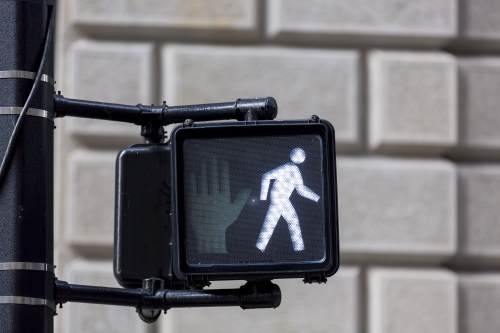
In 2025, Illinois saw a troubling rise in pedestrian fatalities even as overall traffic deaths edged downward. According to preliminary data from the Illinois Department of Transportation, pedestrian deaths climbed from 195 in 2022 to 218 in 2025, bucking the broader statewide trend of decreasing crash fatalities. This escalation has brought renewed urgency to efforts aimed at reducing and ultimately eliminating traffic deaths on Illinois roads.
The increase in pedestrian fatalities has profound implications for families, communities, and policymakers. Unlike many other types of traffic crashes, pedestrian accidents often result in catastrophic injury or death. Because pedestrians lack the protection of an enclosed vehicle, even low-speed impacts can produce life-altering outcomes. The rise in such deaths has driven state officials to explore structural policy changes and safety interventions in an effort to prevent future tragedies.
Understanding the Numbers and Trends
While the overall number of vehicle crash deaths in Illinois in 2024 and 2025 registered around 1,170–1,180 each year, pedestrian deaths have steadily increased during that same period. This rise occurs despite an average statewide decrease in total crash fatalities of about 3.4 percent annually between 2021 and 2025. The unsettling implication is that broader road safety improvements have yet to sufficiently address the unique vulnerabilities faced by people walking.
Nationally, traffic safety trends show mixed results. Preliminary estimates from federal safety agencies indicate that traffic fatalities declined modestly in 2025 in some measures, but the number of deaths remains unacceptably high overall. Factors like distracted driving, increased vehicle miles traveled, and the prevalence of larger, heavier vehicles contribute to risk on both local and interstate roads. While some safety programs have had an impact on reducing certain types of crashes, pedestrian safety continues to be an area that requires targeted attention.
Local Variations Within Illinois
Safety trends are not uniform across the state. In more urban counties such as Cook, DuPage, Lake, and McHenry, crash fatalities, including those involving pedestrians, have seen fluctuations. Between 2024 and 2025, Cook County experienced a decrease in overall traffic deaths from 366 to 341. Meanwhile, Kane County reported an increase in fatalities from 30 to 37.
These variations underscore the need for local, context-specific solutions in addition to statewide policy changes. Community engagement, infrastructure redesign, and public education all play critical roles in improving safety outcomes.
Pedestrian Safety: Key Risk Factors
Addressing pedestrian fatalities requires a multifaceted approach that considers a range of contributing factors:
- Road Design and Infrastructure: Poor lighting, lack of sidewalks, and wide turning radii at intersections make hazardous environments for pedestrians.
- Driver Behavior: Speeding, distracted driving, and impaired driving remain leading factors in pedestrian crashes.
- Visibility Issues: Crashes that occur at night or in low-visibility conditions are more likely to result in severe injury or death.
- Demographic Risks: Certain populations, such as older adults, are more vulnerable to severe injuries in pedestrian collisions.
The Illinois Zero Traffic Fatalities Task Force
In response to these trends, the Illinois Zero Traffic Fatalities Task Force was created under state law with the ambitious goal of eliminating all traffic deaths. The task force brings together transportation officials, safety advocates, engineers, public health professionals, and law enforcement to develop comprehensive policy recommendations and strategic actions.
Among the proposals under consideration are:
- Revisiting Speed Limits on Local Roads: One key idea is to make it easier for municipalities to lower statutory speed limits on state routes in residential or high-pedestrian-activity areas. Under proposed changes, local agencies could request speed reductions to 25 mph or even 20 mph based on engineering studies, and the Illinois Department of Transportation (IDOT) would be required to respond within a specified timeline.
- Traffic Camera Law Adjustments: The task force has discussed revisiting state laws governing automated traffic enforcement, such as red-light and speed cameras, to broaden their use as a safety tool rather than solely a revenue generator.
- Evaluation of Right-Turn-on-Red Restrictions: Officials are evaluating whether limiting right turns on red in certain areas could reduce conflicts between turning vehicles and pedestrians, especially in busy urban intersections.
- Behavioral and Technological Interventions: Task force members are also exploring the use of technology to deter habitual speeding and other dangerous behavior, as well as educational campaigns to promote safer driving habits among motorists.
These proposals align with a broader movement in traffic safety known as Vision Zero, an international strategy focused on eliminating all traffic fatalities and serious injuries. At its core, Vision Zero prioritizes system design and safety over traditional cost–benefit approaches that accept some level of fatalities as unavoidable.
Why Speed Matters
Data consistently show that vehicle speed plays a pivotal role in the severity of pedestrian accidents. A vehicle traveling at 30 mph that strikes a pedestrian has roughly a 45 percent chance of causing death or serious injury. That risk drops to approximately 5 percent when a vehicle is traveling at 20 mph. This stark contrast highlights why many safety advocates are calling for lower speed limits in areas with high pedestrian activity.
Advocates also note that many arterial roads outside urban cores are designed in ways that encourage higher speeds. Wide lanes, long signal cycles, and minimal traffic calming features can send a visual cue to drivers that higher speeds are acceptable, even in areas where pedestrians cross frequently.
The Human Toll of Fatal Pedestrian Accidents
For families and communities affected by fatal pedestrian crashes, the loss is both tragic and far-reaching. Beyond the immediate emotional devastation, families often face complicated legal and financial challenges as they seek justice and accountability.
As Naperville personal injury attorney John J. Malm explains: “Losing a loved one in a pedestrian crash is a catastrophic event that raises medical, financial, and emotional questions all at once. Careful evidence collection of camera footage, vehicle data, and timely toxicology and crash reports often determines both whether the responsible parties are held accountable and whether families obtain the resources they need to rebuild. At John J. Malm & Associates, we move fast in these cases because every hour can mean lost evidence and fewer options for truth.”
Frequently Asked Questions About Fatal Pedestrian Accidents
Q: What is a fatal pedestrian accident?
A: A fatal pedestrian accident occurs when a person walking is struck by a vehicle and sustains injuries that result in death. These incidents can happen on roadways, at crosswalks, at intersections, or even in parking areas.
Q: Why are pedestrian fatalities rising in Illinois?
A: Pedestrian deaths have increased due to a combination of factors, including higher traffic volumes, dangerous road designs, speeding, and insufficient pedestrian infrastructure in some areas. Despite overall reductions in traffic deaths, pedestrians remain vulnerable.
Q: What can state and local governments do to improve pedestrian safety?
A: Government agencies can implement lower speed limits in pedestrian-dense areas, improve crosswalk visibility, install traffic calming features, update traffic laws (such as restrictions on right turns on red), and invest in public education campaigns.
Q: Are pedestrians always at fault in a pedestrian accident?
A: No. Fault depends on the specific circumstances of each crash. Many pedestrian fatalities occur because of negligent driver behavior. A legal inquiry typically examines traffic laws, driver conduct, evidence from the scene, and other factors to determine liability.
Q: What should families do after a fatal pedestrian accident?
A: Families should ensure that authorities have been notified and that an official crash report is filed. Consulting an experienced Illinois wrongful death attorney can help navigate legal responsibilities, gather evidence, protect rights, and pursue compensation for losses.
Q: What types of compensation might be available in fatal pedestrian accident cases?
A: Compensation may include medical and funeral expenses, loss of financial support, loss of companionship, pain and suffering, and punitive damages in certain cases where reckless conduct was involved.
Contact the Top-Rated Illinois Fatal Pedestrian Accident Attorneys at John J. Malm & Associates
Pedestrian fatalities are not merely statistics, they are preventable tragedies that devastate families across Illinois. Each life lost on our roads represents a story cut short and a community forever changed. The rise in pedestrian deaths highlights the urgent need for systemic change: through policy reform, infrastructure improvements, and shared commitment to safer driving practices.
If you or a loved one has been affected by a fatal pedestrian accident, you do not have to navigate the aftermath alone. The experienced Illinois pedestrian crash lawyers at John J. Malm & Associates are here to help you understand your legal rights, pursue justice, and secure the compensation your family deserves. Contact our firm today for a consultation, and let our experienced legal team fight on your behalf. Every life matters, and together we can work toward a future where tragedies on our streets are a thing of the past.