- Free Consultation: (630) 527-4177 Tap Here to Call Us













What You Need To Know About Illinois Seat Belt Laws


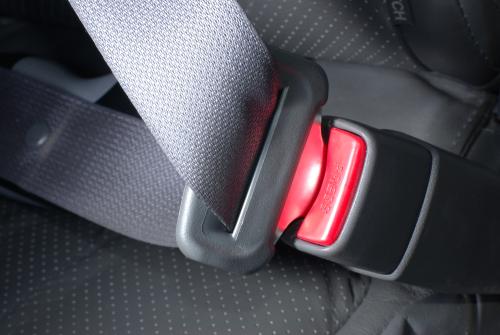
Seat belts are one of the simplest and most effective safety devices ever developed for motor vehicles. Yet despite decades of public awareness campaigns and strict enforcement laws, thousands of drivers and passengers still fail to buckle up every day. In Illinois, seat belt use is not just a recommendation, it is the law. Understanding how these laws work, who they apply to, and how they impact car accident injury claims is essential for anyone on the road.
At John J. Malm & Associates, we regularly see how seat belt use, or the lack of it, can significantly affect the outcome of a personal injury case. In this blog, we explain Illinois seat belt laws and what you need to know if you are involved in a crash.
“In our experience, one simple decision, whether to wear a seat belt, can dramatically change the outcome of a crash. We’ve seen clients walk away from serious accidents because they were properly restrained, and we’ve also seen devastating injuries that could have been prevented. Seat belts save lives, and they can also protect your legal rights after an accident.” — John J. Malm, Naperville car crash lawyer
Overview of Illinois Seat Belt Laws
Illinois has one of the most comprehensive seat belt laws in the country. The law requires nearly all vehicle occupants to be properly restrained, regardless of where they are seated in the vehicle.
Key Requirements Under Illinois Law
- All drivers and front-seat passengers must wear a seat belt
- All passengers under age 18 must wear a seat belt, regardless of seating position
- Children under age 8 must be secured in an appropriate child restraint system
- Drivers are responsible for ensuring that passengers under 18 are properly restrained
Illinois is also a “primary enforcement” state, meaning law enforcement officers can stop and ticket a driver solely for failing to wear a seat belt. This was not always the case. When Illinois first enacted its seat belt law in 1985, enforcement was secondary. However, in 2003, lawmakers strengthened the statute to allow primary enforcement, significantly increasing compliance rates across the state.
Seat Belt Usage Statistics in Illinois
Seat belt usage in Illinois has increased dramatically over the past several decades, thanks to stronger laws and public safety campaigns.
Recent Illinois Seat Belt Usage Data
- 93.0% of Illinois drivers and passengers were observed wearing seat belts in 2025
- Driver usage rate: 93.5%
- Passenger usage rate: 90.3%
- Usage in 1985 (when the law began): 15.9%
Despite high compliance rates, the remaining percentage of unrestrained occupants continues to account for a disproportionate number of serious injuries and fatalities.
Key Trends
- Seat belt usage peaked at 95.2% in 2015 and has remained above 90% since
- Usage tends to be lower in urban areas, particularly Chicago (around 82%)
- Passengers are consistently less likely to wear seat belts than drivers
Why This Matters
Even a small percentage of non-compliance has serious consequences. According to Illinois crash data, unrestrained occupants are significantly more likely to suffer fatal injuries, especially in nighttime crashes, where a majority of fatalities involve individuals not wearing seat belts.
Penalties for Violating Illinois Seat Belt Laws
Failing to wear a seat belt in Illinois can result in fines and additional penalties, particularly when children are involved.
Common Penalties Include:
- $25 fine for a first offense (driver or adult passenger)
- Additional fines and court costs
- Higher penalties if a child is not properly restrained
- Potential impact on driving record in certain cases
While the financial penalty may seem minor, the legal and safety consequences can be far more significant, especially in the context of a personal injury claim.
How Seat Belt Use Affects Personal Injury Claims
One of the most important legal aspects of seat belt use is how it impacts injury claims after a car accident.
The “Seat Belt Defense” in Illinois
Illinois law allows defendants (typically insurance companies) to argue that a plaintiff’s injuries were made worse by failing to wear a seat belt. This is known as the “seat belt defense.”
However, Illinois places limits on how this defense can be used:
- Evidence of non-use is admissible only to reduce damages, not to prove fault
- The burden is on the defendant to show that injuries would have been less severe if a seat belt had been worn
- Any reduction in damages is typically limited
Practical Impact on Injury Cases
In real-world litigation, insurance companies frequently raise this issue to minimize payouts. For example:
- A driver without a seat belt may be accused of contributing to their own injuries
- Medical experts may testify about how injuries could have been prevented
- Settlement values may be reduced
That said, failing to wear a seat belt does not automatically bar recovery. An experienced Illinois personal injury attorney can challenge these arguments and protect your right to compensation.
Why Seat Belts Are Critical in Preventing Injuries
The effectiveness of seat belts is well-documented and widely accepted in both medical and legal communities.
Benefits of Wearing a Seat Belt
- Reduces the risk of fatal injury in passenger vehicles
- Prevents ejection from the vehicle during a crash
- Distributes crash forces across stronger parts of the body
- Helps maintain proper positioning for airbag deployment
Common Injuries Prevented by Seat Belts
- Traumatic brain injuries (TBI)
- Spinal cord injuries
- Internal organ damage
- Ejection-related fatalities
Even in low-speed collisions, failing to wear a seat belt can result in serious injuries due to sudden deceleration forces.
Common Misconceptions About Seat Belt Laws
Despite widespread awareness, several myths about seat belt use persist.
Myth vs. Reality
- Myth: “I don’t need a seat belt for short trips.”
- Reality: Most accidents occur close to home
- Myth: “Seat belts trap you in a burning car.”
- Reality: The risk of ejection is far greater than the risk of entrapment
- Myth: “Airbags replace seat belts.”
- Reality: Airbags are designed to work with seat belts, not instead of them
Understanding these misconceptions is critical to improving compliance and reducing injuries.
Special Rules for Children and Teen Drivers
Illinois has strict laws governing child passengers, recognizing their increased vulnerability in crashes.
Child Passenger Safety Requirements
- Children under 8 must use a child safety seat
- Children ages 8–15 must wear seat belts
- Rear seating is recommended for younger children
Parents and guardians can face additional fines and legal consequences if children are not properly restrained.
Enforcement Campaigns and Public Safety Efforts
Illinois actively promotes seat belt use through statewide enforcement campaigns such as “Click It or Ticket.”
These campaigns focus on:
- High-visibility enforcement
- Increased patrols during holidays
- Public education initiatives
These efforts have contributed significantly to the rise in seat belt usage from under 20% in the 1980s to over 90% today.
Frequently Asked Questions About Illinois Seat Belt Laws
Q: Do backseat passengers have to wear seat belts in Illinois?
A: Yes. All passengers under 18 must wear seat belts in any seating position. Adults in the back seat are strongly encouraged to buckle up, and failure to do so may still have legal consequences in injury claims.
Q: Can I be pulled over just for not wearing a seat belt?
A: Yes. Illinois is a primary enforcement state, meaning police can stop you solely for a seat belt violation.
Q: Does not wearing a seat belt affect my injury claim?
A: It can. Insurance companies may argue that your injuries were worse because you were not wearing a seat belt, potentially reducing your compensation.
Q: Are there exceptions to the seat belt law?
A: Certain medical exemptions exist, but they must be properly documented. These exceptions are rare.
Q: What happens if my child is not in a car seat?
A: You may face higher fines and penalties, and it could negatively affect your legal position if an accident occurs.
Contact the Experienced Illinois Car Accident Attorneys at John J. Malm & Associates
Seat belt laws in Illinois are designed to save lives and the data clearly shows they are working. With usage rates exceeding 90%, most drivers understand the importance of buckling up. However, even a small percentage of non-compliance continues to lead to preventable injuries and fatalities.
If you or a loved one has been injured in a car accident, seat belt use can play a critical role in your case. Insurance companies will look for any opportunity to reduce your compensation, and understanding your rights is essential. At John J. Malm & Associates, we have decades of experience handling car accident claims throughout Illinois. We know how to counter insurance company tactics and fight for the full compensation our clients deserve.
If you’ve been injured in a crash, don’t navigate the legal process alone. Contact our firm today for a free consultation and let us help you protect your rights and your future.