- Free Consultation: (630) 527-4177 Tap Here to Call Us















I-290/I-294/I-88 Interchange Rated As Nation’s Worst Traffic Bottleneck


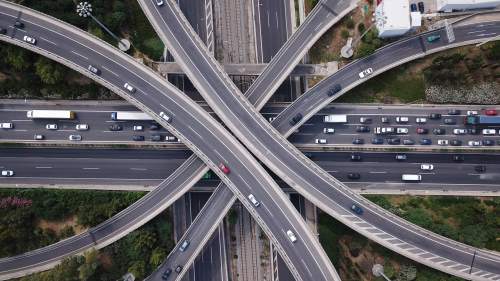
In early 2026, a landmark transportation study revealed what many Chicago commuters already felt in their daily drives: the interchange where Interstate 290 meets Interstates 294 and 88, near Hillside in the western Chicago suburbs, has been officially rated the worst traffic bottleneck in the United States. According to the American Transportation Research Institute (ATRI), this critical junction now tops the annual list of the nation’s most congested freight bottlenecks, surpassing decades-long holdouts like the George Washington Bridge corridor in New Jersey.
How did this happen? What does this ranking mean for drivers and for safety? And what can we expect for motorists who traverse this corridor every day? In this blog, we’ll break down the key facts, the data behind the ranking, why this bottleneck matters, and what you should know if you or a loved one are involved in an accident in this area.
“When traffic congestion reaches the levels we’re seeing at the I-290/I-294/I-88 interchange, the risk to everyday drivers increases significantly. These aren’t just statistics, they reflect real people facing dangerous conditions, longer commute times, and more stress on our roads.” — John J. Malm, Chicagoland car accident attorney
What Is a Traffic Bottleneck?
Before diving into the specifics of the Chicago bottleneck, it helps to understand what a traffic bottleneck actually is. In traffic engineering and transportation planning, a bottleneck refers to a location on a road or highway where traffic congestion slows or stops the flow of vehicles. Bottlenecks can be caused by:
- Reduced lane capacity (merges, lane drops, construction)
- High traffic volumes during peak periods
- Complex interchanges with multiple ramps
- Accidents or other disruptions
Freight truck traffic relies heavily on major interstate corridors like I-290, I-294, and I-88. When these corridors become congested, the effects ripple through the supply chain and the daily commute, resulting in lost time, increased fuel costs, and increased crashes.
The ATRI Report: Chicago’s Ranking Explained
Each year, the American Transportation Research Institute (ATRI) releases its Top 100 Truck Bottlenecks List. This ranking is based on freight truck GPS data from more than 325 locations on the national highway system and measures congestion through indicators like average speed during peak periods.
Key Findings from the 2026 ATRI Ranking
Here are the most important statistics from the latest ATRI analysis:
- No. 1 Bottleneck in the U.S.: The I-294 / I-290 / I-88 interchange in the Chicago area claimed the top spot in the 2026 ranking, making it the most congested freight bottleneck in the country.
- Average Peak Speeds: Across all 325+ monitored locations, the average rush-hour truck speed dropped to 33.2 mph, a 2.8 % decline from the prior year.
- Top 10 Bottleneck Average: At the top 10 worst bottleneck locations nationally, the average rush-hour speed was even lower at about 29.6 mph.
- Nationwide Congestion Trend: This worsening congestion comes even as projects to improve other major junctions (like the Jane Byrne Interchange in Chicago) have helped those bottlenecks fall in the rankings.
National Context
While the I-290/I-294/I-88 interchange is now the worst bottleneck nationally, it’s not an isolated problem. ATRI’s top 10 list includes several other major metro areas, underscoring how severe congestion has become across the U.S.:
- I-95 at SR 4 — Fort Lee, New Jersey
- I-285 at I-85 — Atlanta, Georgia
- I-45 at I-69/US 59 — Houston, Texas
- I-75 at I-285 — Atlanta, Georgia
These bottlenecks are not only a nuisance for motorists, they also contribute to broader economic and environmental costs. For example, persistent congestion can lead to:
- Billions of dollars in lost productivity
- Additional fuel consumption
- Higher emissions due to idling engines
ATRI’s reports of related freight bottleneck effects have estimated annual costs in the billions, though that specific dollar figure depends on the study year’s data.
Why the I-290/I-294/I-88 Interchange Bottleneck Is So Severe
The convergence of three major interstate highways, I-290 (Eisenhower Expressway), I-294 (Tri-State Tollway), and I-88 (Ronald Reagan Memorial Tollway), creates a highly complex traffic environment:
- Multiple lane merges and diverges
- High volumes of commuter and freight traffic
- Peak-period flow that exceeds existing capacity
Even outside peak rush periods, this interchange is a critical node for Chicago’s transport network. Drivers often experience stop-and-go congestion, slow lane merges, and unpredictable delays, especially when there are additional pressure points such as:
- Construction and lane closures
- Weather-related speed reductions
- Accidents or disabled vehicles
These conditions not only delay commutes but also increase the likelihood of collisions due to sudden braking and driver stress.
Safety and Accident Risk in Congested Corridors
Traffic congestion is more than an inconvenience, it’s correlated with higher risk of car accidents, particularly in areas where vehicle speeds fluctuate dramatically and lanes merge frequently.
In congested interchanges like the I-290/I-294/I-88 junction:
- Rear-end collisions are more common due to sudden slowdowns
- Side-swipe and merge-related collisions increase as drivers jockey for position
- Crash severity tends to rise when freight trucks are involved
Contributing Factors to Crash Risk
Congestion increases crash exposure in several ways:
- Driver frustration and fatigue
- Abrupt lane changes
- Limited sight distance due to queue formation
- Large vehicles with longer stopping distances
These factors highlight why accidents in congested bottlenecks can result in serious injuries and complex liability issues.
What’s Next for This Interchange?
While the ATRI data points to worsening congestion at the I-290/I-294/I-88 interchange, it also provides a roadmap for future infrastructure improvements. Transportation planners and policymakers use this ranking to prioritize funding for:
- Additional lanes or managed lanes
- Ramp-metering systems
- Better signage and traffic control
- Smart transportation technology
In some cases, targeted improvements at bottleneck locations have demonstrated measurable relief. But until such projects are fully implemented, commuters and truckers alike will continue to face significant delays.
Frequently Asked Questions about Traffic Bottlenecks
Q: Is the I-290/I-294/I-88 interchange really the worst in the U.S.?
A: Yes, according to ATRI’s 2026 Top Truck Bottleneck List, this interchange in the Chicago metro ranks No. 1 in the country for freight traffic congestion.
Q: What does this ranking measure?
A: ATRI’s bottleneck rankings are based on freight truck GPS data from more than 325 locations and focus on average speed and congestion impact at peak travel times.
Q: Does this affect only trucks?
A: No, while the ATRI ranking centers on truck data, the congestion issues affect all motorists, including commuters and passenger vehicles.
Q: Why does congestion contribute to more accidents?
A: Congested traffic often results in sudden stops, rapid speed changes, and merging conflicts, all of which increase the risk of collisions, especially in complex interchanges.
Q: How can I stay safer driving through bottlenecks like this?
A: Maintain a safe following distance, use turn signals early, and, when possible, avoid peak travel times. Defensive driving is especially important in areas where congestion and merging traffic create unpredictable conditions.
Contact the 5-Star Rated Illinois Traffic Accident Lawyers at John J. Malm & Associates
The designation of the I-290/I-294/I-88 interchange as America’s worst bottleneck highlights broader challenges facing our transportation network, especially in high-volume metro regions like Chicago. Congestion not only slows commute times but also increases the likelihood and severity of traffic accidents.
If you’ve been involved in a crash in this congested corridor or elsewhere in northeastern Illinois, you deserve experienced legal guidance to understand your rights and options. At John J. Malm & Associates, we focus on holding negligent parties accountable and securing fair compensation for injury victims.
Don’t navigate the aftermath of a crash alone. If you or a loved one have been injured in an accident, contact John J. Malm & Associates today for a consultation and trusted legal support.