- Free Consultation: (630) 527-4177 Tap Here to Call Us











How to Protect Your Injury Claim in a Chain Reaction Crash


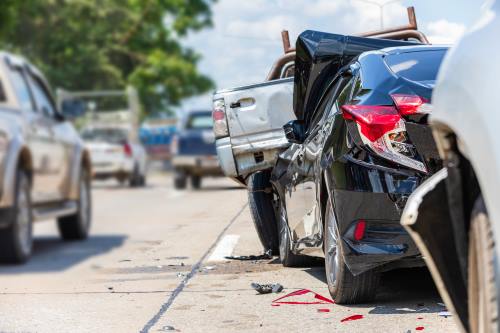
Chain reaction crashes are among the most confusing and legally complicated motor vehicle accidents. When multiple vehicles collide in a sequence of impacts, determining fault can become difficult, insurance companies often point fingers at one another, and injured victims may struggle to recover compensation. These crashes commonly occur on congested highways, during poor weather, or when distracted or speeding drivers fail to stop in time.
In Illinois, multi-vehicle crashes frequently involve rear-end impacts, which are among the most common collision types on the road. According to the Illinois Department of Transportation (IDOT), rear-end crashes account for a substantial percentage of motor vehicle collisions statewide each year.
If you are injured in a chain reaction accident, protecting your injury claim starts immediately after the collision. The actions you take in the hours and days after the crash can significantly affect your ability to recover compensation for medical bills, lost income, pain and suffering, and long-term injuries.
What Is a Chain Reaction Crash?
A chain reaction crash occurs when one collision triggers additional impacts involving multiple vehicles. These accidents are also commonly called pileups or multi-vehicle crashes.
For example, a distracted driver may rear-end one vehicle at a stoplight, forcing that vehicle into another car ahead of it. On highways, a single sudden stop can trigger a series of crashes involving several vehicles in a matter of seconds.
Common causes of chain reaction crashes include:
- Distracted driving
- Tailgating
- Speeding
- Sudden braking
- Poor weather conditions
- Driver fatigue
- Impaired driving
- Reduced visibility from fog, rain, or snow
Multi-vehicle crashes are especially dangerous because victims may sustain injuries from multiple impacts rather than a single collision.
Why Chain Reaction Crashes Are Legally Complex
Unlike a simple two-car accident, chain reaction crashes often involve several drivers, multiple insurance carriers, conflicting witness accounts, and disputed liability.
Insurance companies frequently attempt to minimize payouts by arguing:
- Another driver caused the crash
- Your injuries were pre-existing
- Your vehicle caused secondary impacts
- Your injuries are less serious than claimed
- You contributed to the accident
Illinois follows a modified comparative negligence rule. This means an injured person can recover compensation as long as they are less than 51% at fault for the crash. However, any percentage of fault assigned to the injured victim can reduce compensation. Because of this, establishing liability in a chain reaction accident is critical.
Call the Police Immediately
One of the most important steps after a chain reaction crash is contacting law enforcement and ensuring an official crash report is completed.
Under Illinois law, drivers involved in crashes involving injuries, death, or significant property damage must report the accident.
The police report may contain important evidence, including:
- Statements from drivers and witnesses
- Diagrams of the collision
- Vehicle positions
- Officer observations
- Road and weather conditions
- Preliminary fault determinations
In a multi-vehicle crash, the police report can become one of the most valuable pieces of evidence in your injury claim.
Seek Immediate Medical Treatment
Many injuries caused by chain reaction crashes do not appear immediately. Victims often experience delayed symptoms due to adrenaline and shock.
Common injuries in chain reaction crashes include:
- Whiplash
- Concussions
- Traumatic brain injuries
- Herniated discs
- Back injuries
- Shoulder injuries
- Knee injuries
- Broken bones
- Internal injuries
Rear-end and multi-impact crashes are strongly associated with neck and spine injuries because occupants experience rapid forward-and-backward motion during impact.
Delaying medical treatment can hurt both your health and your injury claim. Insurance companies often argue that gaps in treatment mean the injuries were not serious or were unrelated to the crash.
To protect your claim:
- Go to the emergency room or urgent care promptly
- Follow all medical advice
- Attend follow-up appointments
- Complete physical therapy
- Document symptoms carefully
- Keep copies of medical records and bills
Take Photos and Videos of the Scene
Evidence disappears quickly after a chain reaction crash. Vehicles are moved, debris is cleared, and memories fade.
If possible, take photographs and videos showing:
- Vehicle damage
- Road conditions
- Skid marks
- Traffic signals
- Debris fields
- Weather conditions
- Injuries
- Vehicle positions
In multi-vehicle crashes, photographs can help accident reconstruction experts determine the sequence of impacts and identify the driver who initiated the chain reaction.
Identify Witnesses
Independent witnesses can be extremely important in a chain reaction accident claim.
Witnesses may help establish:
- Which driver caused the initial impact
- Whether a driver was speeding
- Whether distracted driving occurred
- Traffic conditions before the crash
- The sequence of collisions
Obtain witness names and contact information whenever possible. Neutral third-party testimony often carries substantial weight with insurance companies and juries.
Avoid Giving Recorded Statements
Insurance adjusters frequently contact accident victims shortly after a crash seeking recorded statements.
In chain reaction collisions, insurers may be attempting to:
- Shift blame
- Lock victims into incomplete statements
- Minimize injury claims
- Obtain admissions regarding fault
You are generally not required to give a recorded statement to another driver’s insurance company. Before speaking with insurers, it is often advisable to consult an experienced Illinois car accident attorney, especially when multiple vehicles and competing insurance policies are involved.
Do Not Minimize Your Injuries
Many accident victims unintentionally damage their claims by saying they are “fine” immediately after a crash. In reality, symptoms from whiplash, concussions, and soft tissue injuries may take hours or days to fully develop.
Insurance companies routinely use early statements against injured victims later in the claims process.
Instead of speculating about injuries, focus on:
- Seeking medical evaluation
- Reporting symptoms accurately
- Following treatment recommendations
- Avoiding assumptions about recovery
Preserve All Evidence
Successful injury claims are often built on documentation.
Important evidence may include:
- Medical records
- Medical bills
- Prescription receipts
- Wage loss documentation
- Repair estimates
- Tow bills
- Dashcam footage
- Cell phone photos
- Surveillance footage
In some chain reaction crashes, commercial vehicles may be involved. Trucking companies and businesses may possess additional evidence such as:
- Electronic logging data
- GPS records
- Driver qualification files
- Maintenance records
Preserving evidence early can prevent important information from being lost or destroyed.
Be Careful With Social Media
Insurance companies routinely monitor social media accounts during personal injury claims.
Photos, videos, comments, and check-ins may be taken out of context and used to challenge injury claims.
To protect your case:
- Avoid posting about the accident
- Do not discuss injuries online
- Avoid sharing physical activities
- Set accounts to private
- Ask friends not to tag you
Even innocent social media activity can create unnecessary complications during settlement negotiations or litigation.
Understand That Multiple Insurance Policies May Apply
One of the unique aspects of chain reaction crashes is that several insurance policies may be involved.
Potential sources of compensation may include:
- The at-fault driver’s liability coverage
- Additional at-fault drivers
- Commercial vehicle insurance
- Employer liability coverage
- Uninsured motorist coverage
- Underinsured motorist coverage
When several people are injured in a multi-vehicle crash, insurance policy limits may become an issue. This is especially true in severe highway pileups involving catastrophic injuries. An experienced personal injury attorney can help identify all available insurance coverage and pursue maximum compensation.
Why Early Legal Representation Matters
Chain reaction crashes often require detailed investigations and accident reconstruction analysis.
An attorney may help by:
- Obtaining crash reports
- Preserving evidence
- Hiring accident reconstruction experts
- Interviewing witnesses
- Negotiating with insurers
- Calculating damages
- Filing lawsuits when necessary
Insurance companies frequently begin building defenses immediately after a crash. Having legal representation early can help level the playing field.
As Naperville personal injury attorney John J. Malm explains: “Chain reaction crashes often involve complicated liability disputes and multiple insurance companies. The sooner evidence is preserved and an investigation begins, the stronger the injury claim may become.”
Common Mistakes That Can Hurt Your Claim
After a chain reaction crash, avoid these common mistakes:
- Delaying medical treatment
- Failing to follow doctor recommendations
- Giving recorded statements
- Posting on social media
- Accepting a quick settlement
- Failing to document injuries
- Missing medical appointments
- Waiting too long to contact an attorney
Early mistakes can significantly reduce the value of an otherwise valid injury claim.
Frequently Asked Questions about Chain Reaction Injury Claims
Q: Who is usually at fault in a chain reaction crash?
A: Fault depends on the specific circumstances of the accident. In many rear-end chain reaction crashes, the driver who initiated the first collision may bear primary responsibility. However, multiple drivers can share fault depending on following distances, speed, weather conditions, and driver actions.
Q: Can more than one driver be liable?
A: Yes. Illinois law allows fault to be divided among multiple parties. In some multi-vehicle accidents, several drivers may contribute to the crash.
Q: What if I was hit multiple times?
A: Victims in chain reaction crashes often sustain injuries from several separate impacts. Medical records, vehicle damage analysis, and accident reconstruction experts may help determine how the injuries occurred.
Q: How long do I have to file a lawsuit in Illinois?
A: In most Illinois personal injury cases, the statute of limitations is generally two years from the date of the accident. However, exceptions may apply depending on the facts of the case.
- Property damage
Contact Our 5-Star Rated Illinois Chain Reaction Crash Lawyers
Chain reaction crashes can leave victims facing painful injuries, mounting medical bills, lost income, and overwhelming uncertainty. Because these accidents often involve multiple drivers and insurance companies, protecting your legal rights from the very beginning is critical.
At John J. Malm & Associates, we understand the complexities of multi-vehicle accident claims and fight to help injured clients recover the compensation they deserve. Our firm investigates every case thoroughly, preserves critical evidence, and aggressively negotiates with insurance companies on behalf of our clients.
If you or a loved one has been injured in a chain reaction crash in Illinois, contact John J. Malm and the experienced legal team at John J. Malm & Associates today for a free consultation. We are ready to help you protect your claim and move forward after a serious accident.