- Free Consultation: (630) 527-4177 Tap Here to Call Us










How to Legally Use Dash Camera Footage After a Car Accident


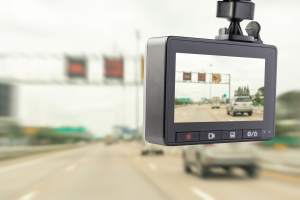
Dash cameras have become one of the most powerful tools drivers can use to protect themselves after a car accident. With nearly 6 million police-reported crashes each year in the United States and close to 300,000 crashes annually in Illinois alone, proving fault is often a contested issue. At the same time, dash cam usage has surged, nearly 30% of American drivers now use one, a dramatic increase over the past decade.
But while dash cam footage can strengthen your claim, using it improperly can lead to serious legal consequences. Illinois has strict privacy, evidence, and recording laws that every driver must understand before relying on footage after a crash.
“Dash cam footage can be one of the most powerful tools in a personal injury case, but only if it’s used correctly. We’ve seen cases won and lost based on video evidence. The key is making sure that evidence is obtained legally and presented strategically.” – John J. Malm, Naperville car accident attorney
Are Dash Cameras Legal in Illinois?
Yes, dash cameras are legal in Illinois and all 50 states. However, how you use the device matters more than the device itself.
In Illinois, the law focuses on three main areas:
- Proper installation
- Audio recording consent
- Privacy and evidence rules
Dash cams are generally permitted because they record events occurring in public spaces where there is no reasonable expectation of privacy, such as roadways and intersections.
However, failing to follow Illinois-specific rules can make your footage unusable or even expose you to criminal liability.
Key Illinois Laws That Affect Dash Cam Footage
1. Illinois Is an “All-Party Consent” State for Audio
Illinois has one of the strictest recording laws in the country.
- You cannot record private conversations without the consent of all parties involved
- Violating this law can result in a Class 4 felony, punishable by prison time and fines
This is critical because many dash cams record audio automatically.
What this means after an accident:
- Video footage is usually fine
- Audio recordings may be illegal if captured without consent
- Illegally recorded audio can be excluded from court
Best practice: Disable audio recording or clearly notify passengers that recording is taking place.
2. Camera Placement Must Not Obstruct Your View
Illinois law prohibits placing objects on your windshield that block your line of sight.
- Dash cams must be installed in a way that does not interfere with safe driving
- Improper placement can result in traffic violations
Safe mounting tips:
- Place behind the rearview mirror
- Use dashboard mounts when possible
- Keep the device compact and unobtrusive
3. Footage Must Be Properly Authenticated
To use dash cam footage in court, it must meet evidentiary standards.
Under Illinois Rules of Evidence:
- The footage must be relevant to the case
- You must prove it is authentic and unaltered
This is typically done through:
- Testimony from the driver or witness
- Metadata (timestamps, GPS data)
- Proof the footage hasn’t been edited
How Dash Cam Footage Helps After an Accident
Dash cam footage can be one of the strongest forms of evidence in a personal injury claim.
It Helps Prove Fault
Video can show:
- Traffic light violations
- Speeding or reckless driving
- Lane changes and right-of-way issues
This is especially valuable in “he said, she said” cases.
It Strengthens Insurance Claims
Insurance companies rely heavily on objective evidence.
Dash cam footage can:
- Speed up claim processing
- Reduce disputes over liability
- Prevent fraudulent claims
It Can Lead to Faster Settlements
Cases involving clear video evidence often resolve more quickly because:
- Liability is harder to dispute
- Insurance companies are more likely to settle
Video evidence can be far more persuasive than testimony alone.
When Dash Cam Footage Can Hurt Your Case
Dash cam footage is not always helpful and can sometimes backfire.
Situations Where It May Be Harmful
- The footage shows you were partially at fault
- You were speeding or distracted
- The video contradicts your statements
Illinois follows a modified comparative negligence rule, meaning your compensation can be reduced if you are partially responsible.
Illegal Recording Can Make Footage Inadmissible
If your dash cam violates Illinois law:
- Audio recordings may be excluded
- The entire clip could be challenged
- You could face legal consequences
Editing or Deleting Footage Can Be Dangerous
Altering footage after an accident can:
- Damage your credibility
- Lead to accusations of evidence tampering
- Potentially result in legal penalties
Always preserve original files exactly as recorded.
Best Practices for Using Dash Cam Footage Legally
To ensure your footage helps your case, not hurts it, follow these guidelines:
Before an Accident
- Disable audio recording unless you have consent
- Install your dash cam legally
- Ensure timestamps and GPS are enabled
Immediately After an Accident
- Save and back up the footage
- Do not edit or alter the file
- Document the date, time, and location
When Filing a Claim
- Provide footage to your attorney first
- Share with insurance companies carefully
- Avoid posting footage publicly on social media
Working With an Attorney
An experienced Illinois car crash lawyer can:
- Evaluate whether your footage is admissible
- Protect you from privacy violations
- Use the video strategically in negotiations or court
Privacy Considerations You Must Know
Dash cam footage doesn’t exist in a legal vacuum.
Public vs. Private Spaces
- Recording public roads is generally legal
- Recording in private areas (like parking garages) may raise issues
Biometric Data Concerns
Some advanced dash cams use facial recognition or AI.
Under Illinois’ Biometric Information Privacy Act (BIPA):
- You must obtain consent before collecting biometric data
- Violations can lead to significant liability
Why Legal Guidance Matters After a Dash Cam Accident
Dash cams provide clarity, but the law adds complexity.
Between:
- Illinois’ strict consent laws
- Evidence authentication requirements
- Insurance company tactics
Even strong footage can be mishandled without proper legal guidance.
An experienced attorney can ensure:
- Your evidence is admissible
- Your rights are protected
- You recover the compensation you deserve
Frequently Asked Questions about Dash Cam Footage in Illinois Car Accident Cases
Q: Can dash cam footage be used in court in Illinois?
A: Yes, if it is relevant and properly authenticated. However, footage recorded in violation of Illinois laws may be excluded.
Q: Should I turn off audio recording?
A: In most cases, yes. This avoids violating Illinois’ strict eavesdropping laws.
Q: Can I give dash cam footage to my insurance company?
A: Yes, and it can strengthen your claim. However, you should consult an attorney before sharing footage to ensure it does not harm your case.
Q: What if the footage shows I was partially at fault?
A: Illinois law allows recovery as long as you are less than 50% at fault, but your compensation may be reduced.
Q: Can I post dash cam footage online?
A: You can, but it is not recommended. Public posting may:
- Harm your legal case
- Create privacy concerns
- Be used against you by insurance companies
Contact the Top Illinois Complex Car Accident Lawyers at John J. Malm & Associates
If you were involved in a car accident and have dash cam footage, don’t assume it will automatically help your case. How that footage is handled can make all the difference.
At John J. Malm & Associates, we know how to:
- Evaluate dash cam evidence
- Navigate Illinois recording laws
- Build strong, evidence-backed injury claims
Contact us today for a free consultation. We will review your case, analyze your footage, and fight to secure the maximum compensation you deserve. Your video may tell the story, but we make sure it’s heard.