- Free Consultation: (630) 527-4177 Tap Here to Call Us





Who Is Responsible for an Accident at a Fall Festival?


Fall festivals are a popular way to enjoy the changing seasons. Across Illinois, families gather at pumpkin patches, apple orchards, corn mazes, Oktoberfest celebrations, harvest festivals, craft fairs, church events, and community gatherings. These events often feature hayrides, petting zoos, inflatable attractions, amusement rides, food vendors, temporary walkways, outdoor games, and other activities designed to attract large crowds.
Unfortunately, the same conditions that make fall festivals enjoyable can also create significant safety hazards. Uneven ground, wet leaves, mud, inadequate lighting, poorly maintained walkways, defective equipment, overcrowding, unsecured animals, and improperly supervised attractions can result in serious injuries.
When someone is injured at a fall festival, determining who is legally responsible can be complicated. Liability may depend on who controlled the property, who organized the event, whether a dangerous condition existed, whether the responsible party knew or should have known about the hazard, and whether an outside vendor or contractor contributed to the accident.
“A fall festival should be a place where families can enjoy the season, not a place where preventable hazards leave someone facing months or years of medical treatment. When an injury occurs, determining exactly what happened and who was responsible can make a significant difference in protecting an injured person’s rights.” — John J. Malm, Naperville premises liability attorney
Fall Festival Injuries Can Be Serious
A fall at a festival may initially appear minor, but some accidents result in broken bones, traumatic brain injuries, spinal injuries, ligament damage, or other conditions requiring extensive medical treatment. Falls are a major source of injury in the United States. The CDC reports that in 2024, there were approximately 4.5 million emergency department visits related to falls among adults age 65 and older. Falls also caused more than 43,000 deaths among adults in this age group in 2024.
The danger is not limited to older adults. Children and younger adults can suffer serious injuries when they fall from hayrides, inflatable attractions, playground equipment, temporary structures, or other festival attractions. Common fall festival injuries may include:
- Broken wrists, arms, legs, and ankles
- Hip fractures
- Knee and shoulder injuries
- Sprains and torn ligaments
- Back and neck injuries
- Concussions and traumatic brain injuries
- Spinal fractures
- Cuts, lacerations, and puncture wounds
- Burns
- Animal-bite injuries
- Injuries from amusement rides or inflatables
- Injuries caused by vehicle or hayride accidents
The severity of an injury can affect medical expenses, lost income, future treatment, and the amount of compensation potentially available in a personal injury claim.
When Can a Fall Festival Organizer Be Liable?
Illinois premises liability law generally requires property owners and occupiers to exercise reasonable care under the circumstances regarding the condition of their premises and acts or omissions occurring there. The Illinois Premises Liability Act abolished the traditional distinction between invitees and licensees and establishes a reasonable-care standard for entrants onto property.
A fall festival may involve several different parties, making the analysis more complicated than a typical slip and fall accident. Potentially responsible parties can include:
- The property owner
- The festival organizer
- A municipality or other governmental entity
- A farm, orchard, or pumpkin-patch operator
- An amusement-ride operator
- A food or beverage vendor
- A contractor or temporary-event company
- A security company
- An animal owner or handler
- A manufacturer of defective equipment
- A maintenance or landscaping company
The responsible party may have a duty to identify dangerous conditions, correct hazards within a reasonable period, provide appropriate warnings, and operate attractions safely.
Dangerous Conditions at Fall Festivals
Fall festivals frequently take place outdoors, sometimes on farms, fields, parking lots, or other areas that were not originally designed for large crowds. Potential hazards include:
- Holes, depressions, or uneven terrain
- Mud or standing water
- Wet leaves
- Loose gravel
- Unsecured cords and cables
- Poorly constructed temporary walkways
- Broken stairs or railings
- Inadequate lighting
- Unmarked changes in elevation
- Exposed irrigation equipment
- Debris or discarded materials
- Defective tables, chairs, tents, or temporary structures
- Poorly maintained restrooms
- Overcrowding or inadequate crowd control
The fact that an accident occurred on an outdoor property does not automatically establish liability. The circumstances surrounding the hazard matter. A personal injury claim may require evidence showing that the property owner or event operator knew, or in some circumstances should have known, about the dangerous condition and failed to take reasonable precautions.
Slip and Fall and Trip and Fall Accidents
Slip and fall and trip and fall accidents may be among the most common injuries at fall festivals. For example, a visitor could trip over an electrical cable running across a pedestrian walkway, fall because of an unmarked hole in the ground, or slip on spilled food near a crowded vendor area.
Evidence can be particularly important because temporary hazards may disappear quickly after an event. Rain may dry, leaves may be removed, cables may be relocated, and damaged equipment may be repaired before an injured person has an opportunity to document the condition. Important evidence can include:
- Photographs and videos of the accident location
- Photographs of the hazard itself
- Witness contact information
- Festival maps and layouts
- Incident reports
- Security-camera footage
- Cellphone videos taken by attendees
- Inspection and maintenance records
- Prior complaints concerning the same condition
- Medical records and bills
- Information identifying the property owner and event organizer
Hayride and Farm-Equipment Accidents
Hayrides are a popular fall attraction, but they can involve motor vehicles, trailers, tractors, ramps, and uneven loading areas. An injury could occur when a passenger falls from a trailer, is struck by equipment, falls while boarding or exiting, or is injured because a trailer is improperly secured or operated. Liability may depend on the conduct of the driver or operator, the condition of the equipment, the manner in which passengers were loaded, and whether appropriate safety precautions were used.
A serious hayride accident may involve multiple potential defendants. For example, the farm may have organized the attraction while an independent contractor supplied the tractor or trailer. Identifying every potentially responsible party can therefore be an important part of investigating the claim.
Amusement Rides and Inflatable Attractions
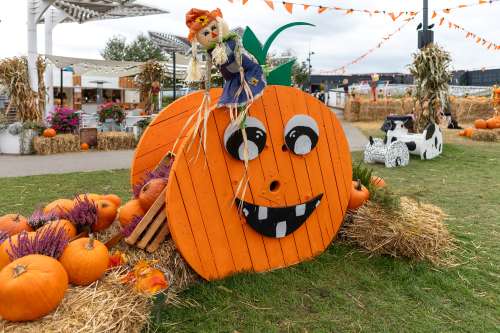
Some fall festivals feature carnival rides, inflatable slides, bounce houses, climbing attractions, or similar recreational equipment. These attractions can create risks involving falls, collisions, equipment failures, improper installation, inadequate supervision, or insufficient safety restraints.
The U.S. Consumer Product Safety Commission has historically documented significant numbers of emergency-room-treated injuries associated with amusement rides. For example, CPSC estimated approximately 10,400 amusement-ride injuries treated in hospital emergency rooms in 1999, including approximately 3,000 involving mobile rides. CPSC’s historical data also identified mechanical failure, operator behavior, and consumer behavior among hazard patterns associated with amusement-ride incidents.
Because much of the available CPSC amusement-ride data is historical, it should not be treated as a current estimate of injuries at today’s fall festivals. It nevertheless illustrates why ride operation, equipment condition, supervision, and safety procedures can be important issues in an injury investigation.
Dog Bites and Animal Attacks at Fall Festivals
Petting zoos, farm events, and animal attractions can introduce another category of injury risk. A visitor may be bitten, knocked down, scratched, or otherwise injured by a dog, farm animal, or other animal at an event. Illinois law provides a specific statutory cause of action for animal attacks. Under 510 ILCS 5/16, an owner can be liable when a dog or other animal, without provocation, attacks, attempts to attack, or injures a person who is peaceably conducting himself or herself in a place where the person may lawfully be. Evidence in an animal-injury case may include:
- Photographs of the injury
- Witness statements
- Information about the animal’s owner
- Animal-control records
- Veterinary records
- Reports concerning the incident
- Photographs or video of the animal
- Evidence concerning fencing, leashes, gates, or barriers
Food Vendors and Foodborne Illness
Fall festivals commonly feature temporary food booths, food trucks, concession stands, baked goods, cider, caramel apples, barbecue, and other seasonal foods. A person who becomes sick after eating at a festival may need to determine what caused the illness and which party may be responsible. Foodborne-illness claims can involve the food vendor, caterer, event organizer, property owner, or another party depending on the circumstances.
Medical documentation is particularly important in these cases. Prompt medical treatment can help establish the symptoms, diagnosis, treatment, and potential source of the illness.
Who Is Responsible When a Vendor Causes the Injury?
Fall festivals often rely on independent vendors and contractors. An event organizer may rent rides from one company, hire another company for security, use a third party for food service, and contract with another company for tents or temporary structures.
The presence of a contractor does not automatically eliminate the organizer’s potential responsibility. At the same time, an event organizer is not automatically liable for every act committed by an independent vendor. Determining liability may require reviewing contracts, insurance policies, permits, inspection records, vendor agreements, and the specific responsibilities assigned to each party.
What Should You Do After a Fall Festival Injury?
If you are injured at a fall festival, taking steps to preserve evidence can be important. Consider the following:
- Seek medical attention for significant or persistent injuries.
- Photograph the accident scene as soon as possible.
- Photograph the condition that caused the accident.
- Obtain names and contact information for witnesses.
- Report the accident to event personnel and request documentation.
- Keep copies of medical records and bills.
- Preserve photographs, videos, tickets, receipts, and other event-related materials.
- Do not assume that an insurance company will fairly evaluate your claim without investigating the circumstances.
- Avoid giving a recorded statement or signing a settlement agreement before understanding your legal rights.
A prompt investigation may be particularly important when the dangerous condition was temporary or the festival lasted only a short time.
Damages in a Fall Festival Injury Claim
Depending on the circumstances, an injured person may seek compensation for damages supported by the evidence and applicable law. Potential damages can include:
- Past and future medical expenses
- Lost wages
- Reduced earning capacity
- Physical pain and suffering
- Disfigurement
- Disability
- Loss of normal life
- Other legally recoverable economic and noneconomic losses
The nature and amount of damages depend on the injury, prognosis, evidence, applicable law, and circumstances of the claim.
Frequently Asked Questions About Fall Festival Injury Liability
Can I sue if I slipped and fell at a pumpkin patch?
Potentially. A claim may exist if a dangerous condition caused your fall and the responsible party failed to exercise reasonable care under the circumstances. The specific facts, including what caused the fall, who controlled the property, and whether the condition was known or reasonably discoverable, are important.
What if I tripped over something that was difficult to see?
A hazard does not necessarily have to be obvious to create liability. The circumstances surrounding the condition, including its location, visibility, duration, and whether reasonable precautions were taken, can be relevant to determining responsibility.
Can I recover if I was partially responsible for my accident?
Potentially. Illinois law generally reduces damages according to a plaintiff’s percentage of fault when the plaintiff’s contributory fault is 50% or less. If the plaintiff’s fault is more than 50%, the statute bars recovery.
What if a child is injured at a fall festival?
Children can suffer serious injuries from falls, animals, amusement equipment, hayrides, and other attractions. Cases involving minors can raise additional legal and factual issues, so the circumstances should be reviewed carefully.
What if a dog bites me at a fall festival?
Illinois’ Animal Control Act provides a statutory basis for liability in qualifying animal-attack cases. The circumstances of the attack, including whether the person was lawfully present and whether the animal acted without provocation, can be important.
How long do I have to bring a personal injury claim in Illinois?
The applicable statute of limitations depends on the type of claim and the parties involved. Different rules can apply to governmental entities, minors, wrongful-death claims, and other circumstances. Because missing a filing deadline can affect the ability to pursue a claim, it is important to evaluate the applicable deadline promptly.
Contact the 5-Star Rated Illinois Fall Festival Injury Lawyers at John J. Malm & Associates
Fall festivals are supposed to be safe places for families, friends, and members of the community to gather and enjoy the season. When dangerous property conditions, inadequate supervision, defective equipment, negligent event operations, or another preventable hazard causes an injury, however, the consequences can extend far beyond the day of the event.
If you or a family member has been injured at a pumpkin patch, corn maze, hayride, harvest festival, amusement attraction, petting zoo, or other fall event, the circumstances should be investigated promptly. Contact John J. Malm & Associates for a free consultation to discuss your injury and learn what legal options may be available. Our firm represents injured people in Illinois and can investigate the accident, identify potentially responsible parties, preserve important evidence, and pursue the compensation available under the law.