- Free Consultation: (630) 527-4177 Tap Here to Call Us














Do Smart Glasses Cause Distracted Driving Accidents?


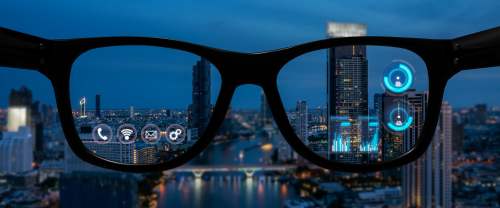
Smart glasses have rapidly evolved from a futuristic novelty into a mainstream consumer technology. Devices such as augmented reality (AR) glasses, heads-up display (HUD) eyewear, and AI-powered smart glasses can provide navigation, messaging, phone calls, video recording, internet access, and real-time information directly in a user’s field of vision. While these innovations offer convenience and connectivity, they also raise an important safety question: Do smart glasses contribute to distracted driving accidents?
As wearable technology becomes increasingly common, safety experts, researchers, and lawmakers are examining whether smart glasses create new forms of driver distraction. Although research is still developing, the evidence suggests that smart glasses may contribute to visual, cognitive, and manual distractions that can increase the risk of serious motor vehicle crashes.
At John J. Malm & Associates, we have seen firsthand how distracted driving can lead to devastating injuries and fatalities. Understanding the risks associated with emerging technology is essential for keeping Illinois roads safe.
“Every new technology promises convenience, but convenience should never come at the expense of safety. When drivers divide their attention between the road and a device, whether it’s a smartphone, dashboard screen, or smart glasses, the risk of a serious accident increases dramatically.” — John J. Malm, Naperville car accident attorney
Understanding Distracted Driving
The National Highway Traffic Safety Administration (NHTSA) defines distracted driving as any activity that diverts attention away from the task of driving. Distractions generally fall into three categories:
- Visual distraction: Taking your eyes off the road
- Manual distraction: Taking your hands off the wheel
- Cognitive distraction: Taking your mind off driving
Many activities involve multiple forms of distraction at once. For example, texting while driving requires visual, manual, and cognitive attention, making it one of the most dangerous driving behaviors. NHTSA reports that distracted driving claimed 3,208 lives and injured more than 315,000 people in the United States in 2024. Smart glasses may not require drivers to physically hold a device, but they can still create significant visual and cognitive distractions.
What Are Smart Glasses?
Smart glasses are wearable devices that display digital information within a user’s field of vision. Depending on the model, they may provide:
- GPS navigation
- Text message notifications
- Phone calls
- Voice assistants
- Video recording
- Social media alerts
- Email notifications
- Real-time internet searches
- Augmented reality overlays
Some manufacturers market these devices as safer alternatives to smartphones because users can access information without looking down at a screen. However, safety experts question whether placing digital information directly in a driver’s line of sight actually reduces distraction or simply changes its form.
How Smart Glasses Can Distract Drivers
Visual Distraction
One of the primary concerns surrounding smart glasses is visual distraction. Although drivers may technically keep their eyes on the roadway, attention can become focused on the digital display rather than surrounding traffic conditions. A navigation prompt, incoming message, or notification appearing within the driver’s field of vision can draw attention away from hazards such as:
- Sudden traffic slowdowns
- Pedestrians
- Cyclists
- Motorcycles
- Construction zones
- Traffic signals
Research consistently shows that even brief glances away from driving tasks can increase crash risk. According to NHTSA, sending or reading a text message can take a driver’s eyes off the road for approximately five seconds. At 55 mph, that is equivalent to driving the length of a football field with your eyes closed. While smart glasses may reduce the need to look down at a phone, they may still divert visual attention away from roadway hazards.
Cognitive Distraction
Cognitive distraction occurs when a driver’s mental focus shifts away from driving. This may be the greatest concern associated with smart glasses. Drivers interacting with voice assistants, reading notifications, receiving AI-generated information, or processing augmented reality content may appear attentive while mentally focusing on something other than driving.
Researchers continue to study cognitive distraction because it can be difficult to detect. Recent studies have identified cognitive distraction as a major contributor to traffic collisions, even when drivers maintain visual focus on the roadway. A driver attempting to interpret navigation prompts, incoming messages, or augmented reality overlays may have slower reaction times and reduced situational awareness.
Manual Distraction
Many smart glasses use voice commands, which can reduce manual interaction. However, some devices still require touch controls, swiping, or adjustments. Even brief interactions with wearable technology can take one or both hands away from steering, increasing the likelihood of a crash.
In emergency situations where every fraction of a second matters, manual distraction can prevent a driver from responding appropriately.
What Research Says About Smart Glasses and Driving
Researchers have studied wearable technology and driver performance for more than a decade.
Early studies involving Google Glass found that drivers using smart glasses often experienced increased reaction times and reduced awareness of peripheral hazards. While some participants benefited from hands-free navigation, performance declined when additional information was displayed during complex driving tasks.
Researchers have also found that secondary tasks requiring visual attention increase the duration of driver glances away from critical roadway information. Studies examining touchscreen and in-vehicle display interactions similarly demonstrate that increased visual demand can contribute to distraction-related crashes.
Although smart glasses differ from smartphones and dashboard screens, the underlying concern remains the same: technology competing for a driver’s limited attention.
The Illusion of Safety
One reason smart glasses may be particularly dangerous is that they can create an illusion of safety. Drivers may believe they are driving safely because:
- Their hands remain on the wheel
- Their eyes appear directed toward the road
- They are using voice commands
However, distraction is not limited to physical actions. A driver’s attention can be compromised even when they appear focused.
Safety researchers frequently refer to this phenomenon as “inattention blindness,” where drivers fail to recognize obvious hazards because their attention is occupied elsewhere. A driver may look directly at a pedestrian or motorcycle and still fail to perceive the danger. This type of cognitive overload is a growing concern as vehicles and wearable devices become increasingly connected.
Could Smart Glasses Become the Next Smartphone Problem?
Over the past decade, smartphones have become one of the leading sources of distracted driving. Safety experts are beginning to question whether smart glasses could create similar risks.
Recent reports indicate that distracted driving remains a significant public safety issue despite widespread awareness campaigns and hands-free legislation. In 2024 alone, distracted-driving crashes injured more than 315,000 people nationwide.
Technology trends suggest drivers are increasingly engaging with digital content while driving, including videos, social media, messaging, and streaming platforms. Safety researchers warn that newer technologies may create additional opportunities for distraction if not carefully regulated.
As AI-powered smart glasses become more sophisticated, lawmakers and transportation agencies may eventually need to develop regulations specifically addressing wearable technology behind the wheel.
Potential Liability After a Smart Glasses Car Accident
If a driver causes a crash while using smart glasses, they may be held liable for resulting injuries and damages.
Evidence that may support a distracted driving claim includes:
- Eyewitness testimony
- Device usage records
- Vehicle event data recorder information
- Traffic camera footage
- Dashcam recordings
- Phone and wearable device data
- Social media activity
Depending on the circumstances, injured victims may pursue compensation for:
- Medical expenses
- Lost wages
- Future medical care
- Pain and suffering
- Disability
- Loss of normal life
Illinois law requires drivers to operate their vehicles with reasonable care. A driver who chooses to engage with smart glasses instead of focusing on the road may be found negligent if their distraction contributes to a collision.
How Drivers Can Use Smart Glasses More Safely
While smart glasses are not inherently dangerous, drivers should take precautions to reduce risk:
- Disable non-essential notifications while driving
- Use “Do Not Disturb” settings
- Avoid reading messages while operating a vehicle
- Limit augmented reality features
- Pull over before interacting with apps
- Focus exclusively on driving in heavy traffic
- Keep navigation prompts simple and non-intrusive
Just because technology is available does not mean it should be used while driving.
Frequently Asked Questions about Smart Glasses and Distracted Driving
Are smart glasses illegal while driving in Illinois?
Currently, Illinois does not have a law specifically prohibiting smart glasses while driving. However, drivers can still be cited or held liable if their use contributes to distracted driving or causes a crash.
Are smart glasses safer than using a smartphone while driving?
They may reduce some manual distractions, but they can still create visual and cognitive distractions that interfere with safe driving.
Can smart glasses increase accident risk?
Potentially yes. Notifications, navigation prompts, augmented reality displays, and other digital content may divert a driver’s attention from roadway hazards.
Can smart glasses be used for navigation while driving?
Some drivers use smart glasses for navigation, but safety experts caution that any technology displaying information within a driver’s field of view can create distraction if overused.
Can I sue a driver who caused an accident while using smart glasses?
Yes. If a driver’s use of smart glasses contributed to a collision, injured victims may be entitled to pursue compensation through a personal injury claim.
How can distracted driving be proven after an accident?
Evidence may include witness statements, surveillance footage, phone and wearable device records, vehicle data, and accident reconstruction analysis.
Contact the Top Illinois Car Accident Attorneys at John J. Malm & Associates After a Distracted Driving Accident
Smart glasses, augmented reality devices, and wearable technology may represent the future of connectivity, but they also introduce new risks on Illinois roadways. As technology evolves, drivers must remain focused on the task that matters most: safely operating their vehicles. When drivers allow notifications, digital displays, or wearable devices to divert their attention, innocent people can suffer life-changing injuries.
If you or a loved one has been injured in a distracted driving accident in Illinois, the experienced attorneys at John J. Malm & Associates can help investigate the cause of the crash, preserve critical evidence, and pursue the compensation you deserve. Contact our firm today for a free consultation and learn how we can help protect your rights and hold negligent drivers accountable.