- Free Consultation: (630) 527-4177 Tap Here to Call Us














The Hidden Dangers of Soft Road Shoulders


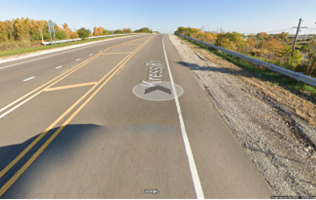
Road shoulders are often overlooked features of roadway design, but when those shoulders consist of soft surfaces such as dirt, gravel, grass, or undefined ground, the consequences for motorists can be severe. Whether on rural highways, suburban thoroughfares, or interstates, soft shoulders lack the structural support and traction that paved shoulders provide. When a vehicle drifts off a paved lane onto a soft shoulder, loss of control, rollovers, and run-off-road crashes are significantly more likely. Federal and state research consistently shows that unpaved or soft shoulders contribute directly to unsafe roadway conditions and increased crash risk.
“When roadway design or maintenance creates a hidden hazard, individuals and families pay the price. Our job is to hold negligent parties accountable and ensure victims receive the justice they deserve.” – John J. Malm, Naperville car accident lawyer
What Is a Soft Shoulder And Why It Matters
A soft shoulder refers to the area immediately adjacent to the paved roadway that is not designed or engineered to support vehicle travel. Unlike paved shoulders, which provide lateral support and recovery space for errant vehicles, soft shoulders can consist of loose soil, gravel, or grass that shifts under load. This instability can:
- Provide poor tire traction, increasing the likelihood of skidding, sliding, or sinking;
- Create sudden drop-offs between the pavement and shoulder that destabilize vehicles;
- Cause loss of control when drivers attempt to merge back onto the pavement;
These hazards are not theoretical. Research by transportation safety organizations shows that unpaved or soft shoulders are associated with higher car accident risks than paved shoulders, particularly on rural two-lane roads and highways.
How Soft Shoulders Contribute to Crashes
Loss of Vehicle Control
One of the most dangerous consequences of encountering a soft shoulder is a sudden loss of control. Vehicles that leave the paved surface and hit soft ground can veer unpredictably, especially at highway speeds. The friction differential between pavement and a soft shoulder forces the vehicle into abrupt and unintended steering adjustments that can lead to run-off-road crashes or collisions with roadside objects.
Rollover Risk
Research from multiple safety analyses shows that rollovers are common when a vehicle transitions from pavement to loose shoulder material. Approximately 95% of deadly rollovers are “tripped” crashes, meaning a vehicle’s tire interacts with a surface or object (like a soft shoulder drop-off) that destabilizes it, causing it to flip.
Abrupt Re-Entry to Traffic
When a vehicle attempts to merge back onto the paved lane from a soft shoulder, drivers may overcorrect the steering wheel or misjudge traffic gaps. These abrupt maneuvers can lead to:
- Side-impact collisions with oncoming vehicles
- Head-on collisions on two-lane highways
- Multiple-vehicle chain-reaction crashes
The instability of soft shoulders worsens these risks because drivers have less predictable return paths and little lateral support.
Why Soft Shoulders Are More Dangerous Than Hard Shoulders
Paved (hard) shoulders provide real safety benefits that soft shoulders cannot match:
- Recovery Space: A paved shoulder gives a driver a stable surface to regain control if the vehicle drifts off the roadway;
- Traction: Hard surfaces offer consistent friction for braking and steering compared with loose dirt or gravel;
- Crash Reduction: Studies show that roads upgraded to include paved shoulders see significant reductions in total crashes and run-off-road collisions.
One transportation research project found that adding paved shoulders on non-interstate roads correlated with an 8% annual decrease in total crashes and a 1.3% reduction in run-off-road (ROR) crashes each year.
Contributing Conditions That Amplify Risks
Poor Road Design and Maintenance
Factors such as inadequate drainage, uneven grading, or vegetation buildup on soft shoulders can degrade their integrity. Municipalities that fail to maintain stable roadside conditions expose road users to higher crash risk.
Weather and Seasonal Effects
Soft shoulders become even more hazardous when wet, icy, or saturated. Rainfall can erode unpaved shoulders, creating deeper drop-offs or hidden muddy areas that trap tires and cause vehicles to lose control at critical moments.
Driver Behavior
Inattention, fatigue, and distraction are among the most common reasons drivers drift off the road. At highway speeds, even a minor moment of inattention can result in a vehicle leaving the paved surface and ending up on a soft shoulder where recovery is difficult and dangerous.
Who Is Most at Risk?
While any motorist can be involved in a soft shoulder crash, certain factors increase exposure:
- Rural road users: Two-lane rural highways often have narrow or unpaved shoulders, which correlate with elevated crash rates compared to roads with wide paved shoulders.
- Large vehicles (trucks, RVs): Vehicles with higher centers of gravity and heavier weights are more prone to rollovers if they drift onto soft shoulders.
- Night-time drivers: Limited visibility reduces reaction time to recognize and correct a drift onto soft ground.
Preventive Measures and Best Practices
For Motorists
Even though some shoulder conditions are beyond your control, drivers can reduce their risk by:
- Maintaining proper speed and avoiding abrupt lane deviations
- Staying alert to roadway edges and dropped pavement markers
- Not using soft shoulders for passing or overtaking slower vehicles
- Activating hazard lights and calling for assistance when you must stop on a shoulder
For Roads and Agencies
Transportation authorities and roadway engineers can significantly enhance safety by:
- Widening shoulders and paving unpaved sections
- Improving drainage to prevent erosion and washouts
- Adding clear signage indicating unsafe or soft shoulders ahead
- Deploying rumble strips to alert motorists nearing the road edge
Frequently Asked Questions about Soft Road Shoulder Crashes
Q: Can soft shoulders cause serious injuries?
A: Yes. When a vehicle loses control on a soft shoulder, it can lead to rollovers, run-off-road collisions, and impact with roadside obstacles, all of which can cause severe injuries and fatalities.
Q: Are soft shoulder accidents preventable?
A: Many are. Paved shoulders and better road design reduce risk, and driver awareness can make a critical difference in avoiding off-road excursions.
Q: Do paved shoulders eliminate the danger?
A: No road feature can completely eliminate risk, but paved shoulders significantly reduce the likelihood of losing control and provide stable recovery space if a vehicle veers off the pavement.
Q: Who can be held responsible when a soft shoulder contributes to a crash?
A: Potentially road agencies, design engineers, or maintenance contractors if negligence in design or upkeep contributed to unsafe conditions.
Contact the Experienced Illinois Car Accident Attorneys at John J. Malm & Associates
Soft road shoulders are more than just an inconvenience, they’re a serious safety hazard that can transform minor driving errors into life-altering accidents. Whether it’s a rural route with dirt edges or an interstate shoulder that drops away into loose gravel, these unpaved surfaces lack the structural stability drivers need to maintain control. With documented evidence showing higher crash risk on unpaved shoulder sections and fatal rollovers linked to loss of control after entering soft ground, the danger is real and pervasive.
If you or a loved one has suffered injuries in a crash involving a soft shoulder or any roadway design hazard, you deserve experienced representation. Contact John J. Malm & Associates today for a free consultation. Our top-rated rural road car accident attorneys fight to hold negligent road designers, maintenance entities, and responsible parties accountable for the harm they cause. Your recovery starts with a call to our dedicated team.