- Free Consultation: (630) 527-4177 Tap Here to Call Us















The Dangers of Driving While High


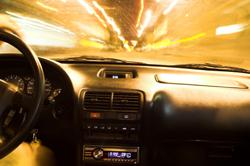
Driving under the influence of drugs, especially cannabis, is a growing public safety issue across the United States. As marijuana becomes more widely legalized and socially accepted, more drivers are getting behind the wheel while impaired, often underestimating the risks. However, the science is clear: driving while high significantly impairs your ability to operate a vehicle safely and increases the likelihood of serious accidents, injuries, and fatalities.
“Far too many drivers underestimate how dangerous it is to get behind the wheel while high. Impaired driving, whether from alcohol or drugs, puts everyone on the road at risk. If you’ve been injured by an impaired driver, you have the right to seek accountability and compensation.” – John J. Malm, Naperville car accident attorney
How Cannabis Impairs Driving Ability
Driving is a complex activity that requires coordination, quick decision-making, and constant attention. Cannabis affects multiple brain functions that are essential for safe driving.
According to the Centers for Disease Control and Prevention, cannabis impacts:
- Reaction time
- Coordination and balance
- Judgment and decision-making
- Perception and spatial awareness
These impairments can lead to delayed braking, drifting between lanes, and poor hazard recognition.
Even low doses of THC, the psychoactive compound in marijuana, can reduce a driver’s ability to react to unexpected events. Studies show that slower reaction times are one of the most consistent and dangerous effects of cannabis use behind the wheel.
Startling Statistics on Driving While High
The data surrounding drug-impaired driving is alarming and continues to worsen:
- 56% of drivers involved in serious or fatal crashes tested positive for at least one drug
- Cannabis use is associated with a 22% to 36% increase in crash risk
- Some studies suggest drivers who are high are up to twice as likely to be involved in a crash
- Approximately 22% of drivers in fatal crashes tested positive for THC
- About 1 in 8 high school drivers report driving after using marijuana in the past month
In addition, surveys show that millions of Americans continue to drive shortly after using cannabis, often within one to four hours, the period when impairment is strongest.
The Misconception That Driving High Is “Safer”
One of the most dangerous aspects of drug-impaired driving is the widespread belief that marijuana does not significantly impair driving or may even make drivers more cautious. This belief is not supported by science.
The National Highway Traffic Safety Administration states that marijuana impairs:
- Motor skills
- Lane tracking
- Cognitive function
- Multitasking ability
Some drivers report feeling more focused or cautious when high, but research shows that this perception is misleading. In reality, cannabis reduces a driver’s ability to handle complex or unexpected situations, such as sudden stops, pedestrians, or changing traffic patterns.
Increased Risk with Combined Substance Use
Driving while high becomes even more dangerous when combined with alcohol or other drugs.
- Many THC-positive drivers also have alcohol in their system
- Combining substances significantly amplifies impairment
- Reaction times, coordination, and judgment deteriorate further
The National Highway Traffic Safety Administration warns that using multiple substances together creates a compounding effect, dramatically increasing crash risk. In fact, one study found that 58% of drivers who tested positive for THC had also consumed alcohol.
Why Driving High Is Difficult to Detect
Unlike alcohol, where blood alcohol concentration (BAC) provides a clear measure of impairment, cannabis presents unique challenges:
- THC can remain in the bloodstream long after impairment fades
- There is no universally accepted “legal limit” tied to impairment
- Drivers may appear less obviously impaired than drunk drivers
This makes enforcement more complicated and allows some drivers to mistakenly believe they are “safe” to drive.
However, law enforcement officers are trained to identify behavioral signs of impairment, and driving under the influence of drugs remains illegal in all 50 states.
Real-World Consequences of Driving While High
The consequences of driving while high can be severe and life-changing:
Physical Consequences
- Serious injuries, including traumatic brain injuries and spinal cord damage
- Permanent disability
- Fatal crashes involving drivers, passengers, or pedestrians
Legal Consequences
- DUI charges for drug impairment
- License suspension or revocation
- Fines, court costs, and potential jail time
Financial Consequences
- Increased insurance premiums
- Liability for damages and medical expenses
- Potential civil lawsuits after an accident
Even if marijuana is legal in your state, driving under its influence is not.
Illinois Law on Driving While High
In Illinois, it is illegal to operate a motor vehicle while impaired by cannabis or any other drug. Drivers can be charged with DUI if they are under the influence of:
- Marijuana
- Prescription medications
- Over-the-counter drugs that impair driving ability
Illinois law enforcement uses field sobriety tests, officer observations, and chemical testing to determine impairment.
A conviction can result in:
- License suspension
- Significant fines
- Mandatory substance abuse programs
- Possible jail time
Signs of a Driver Who May Be High
Recognizing impaired drivers can help prevent accidents. Warning signs include:
- Swerving or drifting between lanes
- Driving significantly below or above the speed limit
- Delayed response to traffic signals
- Erratic braking or acceleration
- Poor decision-making at intersections
If you suspect a driver is impaired, keep your distance and report dangerous behavior to authorities.
How to Prevent Driving While High
Preventing drug-impaired driving is straightforward:
- Do not drive after using cannabis or any impairing substance
- Wait several hours before getting behind the wheel
- Use rideshare services or public transportation
- Designate a sober driver
- Encourage friends and family to do the same
The safest choice is always to separate substance use from driving entirely.
Frequently Asked Questions about Driving While High
Q: Is driving while high illegal in Illinois?
A: Yes. Driving under the influence of cannabis or any impairing substance is illegal and can result in DUI charges.
Q: How long should I wait to drive after using marijuana?
A: Impairment can last 2 to 4 hours or longer, depending on dosage and individual factors.
When in doubt, do not drive.
Q: Is driving high safer than driving drunk?
A: No. Both impair critical driving skills, and cannabis has been shown to significantly increase crash risk.
Q: Can you be charged with a DUI without alcohol?
A: Yes. DUI laws apply to drugs, including marijuana, prescription medications, and other substances.
Q: What should I do if I’m hit by a driver who was high?
A: Seek medical attention immediately, document the scene, and contact an experienced Illinois car accident attorney to protect your rights.
Contact the 5-Star Rated Drug-Impaired Car Accident Attorneys at John J. Malm & Associates
Driving while high is not just irresponsible, it is dangerous and illegal. When drivers choose to get behind the wheel while impaired, they put innocent people at risk of devastating injuries and loss.
If you or a loved one has been injured in an accident caused by a driver under the influence of drugs, you do not have to face the aftermath alone. Our experienced Illinois car crash attorneys understand how to investigate impaired driving cases, gather critical evidence, and fight for the compensation you deserve.
Contact our firm today for a free consultation. We are ready to hold negligent drivers accountable and help you move forward after a serious accident.