- Free Consultation: (630) 527-4177 Tap Here to Call Us















What Are The Most Common Injuries in High-Speed Car Accidents?


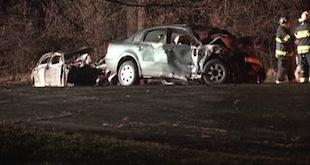
High-speed car accidents often leave victims with catastrophic injuries that can affect every aspect of their lives. The tremendous forces generated in collisions at highway speeds can overwhelm even modern vehicle safety systems, resulting in serious trauma to the brain, spine, internal organs, and musculoskeletal system. According to the National Highway Traffic Safety Administration (NHTSA), tens of thousands of people die in traffic crashes each year in the United States, while millions more suffer injuries requiring emergency medical care and long-term rehabilitation.
At John J. Malm & Associates, we have represented countless victims whose lives changed in an instant because another driver chose to speed, drive distracted, or operate a vehicle recklessly. Understanding the most common injuries associated with high-speed crashes can help victims recognize symptoms early and seek appropriate medical and legal assistance.
“High-speed crashes often produce injuries that are far more serious than victims initially realize. Even when someone walks away from the scene, hidden brain injuries, internal bleeding, and spinal damage may not become apparent until hours or days later. That’s why immediate medical evaluation is so important, not only for your health, but also to properly document your injuries.” — John J. Malm, Naperville car accident attorney
Why High-Speed Collisions Are So Dangerous
The severity of injuries generally increases as collision speeds rise because more kinetic energy is transferred to vehicle occupants. Even with airbags and seat belts, occupants may experience violent acceleration and deceleration forces that cause injuries throughout the body.
High-speed crashes frequently involve:
- Greater impact forces
- More severe vehicle intrusion
- Increased likelihood of rollover accidents
- Greater risk of occupant ejection
- Higher probability of fatal injuries
- More complex and permanent disabilities
NHTSA research continues to demonstrate that speed remains one of the most significant contributors to fatal crashes and severe injuries nationwide.
Traumatic Brain Injuries (TBIs)
One of the most serious injuries resulting from high-speed crashes is traumatic brain injury. The brain can strike the inside of the skull during sudden impact even when there is no direct blow to the head.
Victims may experience:
- Concussions
- Memory loss
- Loss of consciousness
- Cognitive impairment
- Personality changes
- Speech difficulties
- Permanent neurological deficits
The Centers for Disease Control and Prevention reports that traumatic brain injuries remain a major cause of death and disability in the United States, with hundreds of thousands of hospitalizations annually. Importantly, many concussion victims have normal CT scans or MRIs despite experiencing significant symptoms.
Neck Injuries and Whiplash
Although commonly associated with lower-speed collisions, whiplash injuries can become much more severe in high-speed crashes.
Common injuries include:
- Ligament damage
- Muscle tears
- Herniated cervical discs
- Nerve compression
- Chronic neck pain
- Reduced range of motion
Some victims develop chronic pain syndromes that persist for years after the initial collision.
Spinal Cord Injuries
High-speed impacts can produce devastating spinal trauma that permanently alters a victim’s life.
Potential spinal injuries include:
- Herniated discs
- Fractured vertebrae
- Spinal cord compression
- Partial paralysis
- Complete paralysis
- Loss of bowel or bladder control
These injuries often require emergency surgery, prolonged hospitalization, and lifelong rehabilitation.
Broken Bones and Orthopedic Injuries
The tremendous forces involved in highway-speed crashes frequently result in fractures throughout the body.
Common fractures include:
- Rib fractures
- Femur fractures
- Pelvic fractures
- Arm fractures
- Wrist fractures
- Leg fractures
- Facial fractures
- Collarbone fractures
Complex fractures may require multiple surgeries, implanted hardware, and months of physical therapy before recovery.
Internal Organ Injuries
Some of the most dangerous injuries after a high-speed collision are not immediately visible.
Internal injuries may involve:
- Liver lacerations
- Spleen injuries
- Kidney damage
- Lung injuries
- Internal bleeding
- Aortic injuries
- Abdominal trauma
Because symptoms may initially appear mild, prompt emergency evaluation following a significant collision is essential.
Chest and Rib Injuries
Seat belts save lives, but they can also contribute to chest injuries during severe crashes while preventing much more catastrophic outcomes.
Victims commonly suffer:
- Rib fractures
- Sternum fractures
- Pulmonary contusions
- Cardiac contusions
- Pneumothorax
- Bruising from seat belt restraint
These injuries can make breathing painful and sometimes require hospitalization.
Facial and Dental Injuries
High-speed crashes often cause occupants to strike steering wheels, dashboards, airbags, windows, or other interior structures. Facial injuries may include:
- Broken jaws
- Broken noses
- Eye injuries
- Dental trauma
- Facial lacerations
- Permanent scarring
Plastic surgery and reconstructive procedures may be necessary in severe cases.
Psychological Trauma
Not every serious injury is visible. Crash victims frequently experience:
- Post-traumatic stress disorder (PTSD)
- Anxiety
- Depression
- Driving phobias
- Sleep disturbances
- Panic attacks
Emotional injuries can significantly interfere with employment, family relationships, and daily activities and deserve appropriate medical attention.
Soft Tissue Injuries
Muscles, tendons, and ligaments frequently sustain substantial damage during violent collisions.
Examples include:
- Torn ligaments
- Muscle strains
- Rotator cuff injuries
- Knee ligament injuries
- Shoulder injuries
- Tendon tears
Although insurance companies sometimes minimize these injuries, they can produce long-lasting pain and disability.
Frequently Asked Questions about High-Speed Car Accidents
What injuries are most common in high-speed car accidents?
The most common serious injuries include traumatic brain injuries, spinal cord injuries, broken bones, internal organ injuries, neck injuries, chest trauma, and severe soft tissue damage.
Can you have a concussion even if your CT scan is normal?
Yes. Many concussion victims have completely normal imaging studies while still experiencing headaches, dizziness, memory problems, and cognitive impairment. The CDC recognizes that many TBIs are diagnosed based on clinical symptoms rather than imaging alone.
Are internal injuries always immediately obvious?
No. Internal bleeding and organ damage may not produce symptoms right away, making prompt emergency medical evaluation essential after a serious crash.
Can psychological injuries be part of a personal injury claim?
Yes. PTSD, anxiety, depression, and other emotional injuries may be compensable when supported by appropriate medical evidence.
Why should I contact a lawyer after a high-speed collision?
Serious crashes often involve extensive medical treatment, lost wages, future medical expenses, permanent disability, and complex insurance issues. An experienced Illinois car accident attorney can investigate liability and pursue full compensation for your losses.
Contact the 5-Star Rated Illinois Car Accident Lawyers at John J. Malm & Associates After a Serious High-Speed Accident
The consequences of a high-speed collision can last a lifetime. Victims often face mounting medical bills, lost income, physical pain, emotional trauma, and uncertainty about the future. Insurance companies frequently attempt to minimize claims before the full extent of injuries becomes known, making early legal representation especially important.
At John J. Malm & Associates, our attorneys have over 100 years of combined experience representing victims of serious automobile accidents throughout Illinois. We work tirelessly to investigate crashes, preserve critical evidence, consult with medical experts, and pursue the maximum compensation our clients deserve. If you or someone you love has been injured in a high-speed crash, contact our office today for a free consultation and learn how we can help protect your rights and your future.