- Free Consultation: (630) 527-4177 Tap Here to Call Us











Common Car Accidents on Roundabouts


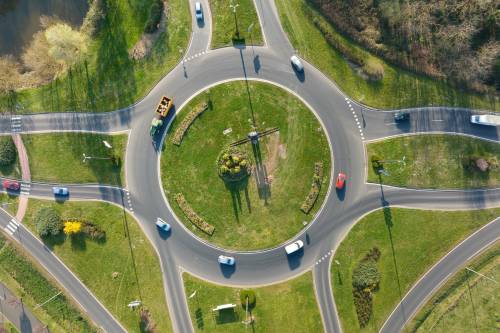
Roundabouts have become increasingly common throughout Illinois and across the United States because they are designed to reduce severe crashes, improve traffic flow, and lower vehicle speeds. Although roundabouts are generally safer than traditional intersections, accidents still happen every day due to driver confusion, speeding, distraction, failure to yield, and improper lane use.
At John J. Malm & Associates, we have seen how even low-speed crashes in roundabouts can cause serious injuries, especially when larger vehicles, motorcycles, bicyclists, or pedestrians are involved. Understanding the most common types of roundabout accidents can help drivers stay safer and recognize when another driver’s negligence may create legal liability after a crash.
“Roundabout crashes are often dismissed as minor fender-benders, but many victims suffer serious neck, back, and head injuries that can affect them for years. Insurance companies frequently underestimate these cases, which is why it is important to have an experienced attorney investigate the accident and protect your rights.” – John J. Malm, Naperville car accident attorney
Why Roundabouts Are Considered Safer
Modern roundabouts are designed to slow traffic and eliminate dangerous right-angle or “T-bone” collisions that commonly occur at signalized intersections. Vehicles entering a roundabout must yield to traffic already circulating in the circle, which reduces high-speed impacts.
According to the Insurance Institute for Highway Safety (IIHS), studies of U.S. intersections converted to roundabouts found:
- Injury crashes decreased by approximately 72% to 80%
- Overall crashes dropped by 35% to 47%
- Fatal and incapacitating crashes were dramatically reduced
The Federal Highway Administration (FHWA) also identifies roundabouts as a “Proven Safety Countermeasure” because they reduce severe crashes and improve intersection safety. However, roundabouts are not accident-proof. Many drivers are unfamiliar with how they work, especially multilane roundabouts, which can create confusion and dangerous driving behavior.
The Most Common Types of Roundabout Accidents
Although roundabouts reduce severe collisions, several types of crashes still occur frequently.
Failure-to-Yield Accidents
One of the most common roundabout crashes occurs when a driver entering the roundabout fails to yield to vehicles already circulating inside the circle. Many drivers mistakenly assume they have the right-of-way or enter too quickly to stop safely. These crashes often happen because drivers:
- Misjudge traffic gaps
- Enter aggressively
- Are distracted by GPS or cell phones
- Do not understand yield rules
Failure-to-yield accidents can lead to side-impact collisions and significant property damage. Motorcyclists and smaller vehicles are particularly vulnerable in these crashes. According to IIHS research, entering-circulating crashes are among the most common crash patterns at roundabouts.
Rear-End Collisions
Rear-end crashes are another common type of roundabout accident. These crashes often occur because drivers suddenly stop when approaching or entering the roundabout. Some drivers panic when they see oncoming traffic in the circle and brake unexpectedly. Other drivers follow too closely and do not have enough time to react.
Common causes of rear-end collisions at roundabouts include:
- Distracted driving
- Tailgating
- Sudden braking
- Driver confusion
- Poor visibility during bad weather
While many rear-end crashes occur at lower speeds, victims can still suffer serious injuries such as:
- Whiplash
- Herniated discs
- Concussions
- Shoulder injuries
- Neck and back trauma
Sideswipe Accidents in Multilane Roundabouts
Multilane roundabouts can be confusing because drivers must choose the correct lane before entering and maintain their lane while circulating through the roundabout. Sideswipe crashes frequently occur when drivers:
- Change lanes improperly
- Drift into adjacent lanes
- Exit from the wrong lane
- Fail to check blind spots
These crashes are especially common in larger roundabouts where traffic volumes are heavier. IIHS research found that exiting-circulating and sideswipe crashes are among the most common collision types in multilane roundabouts.
Single-Vehicle Roundabout Crashes
Some roundabout accidents involve only one vehicle. These crashes often happen when drivers enter the roundabout too fast and lose control.
Single-vehicle crashes may involve:
- Hitting the central island
- Running off the roadway
- Striking curbs or barriers
- Colliding with signs or landscaping
These accidents frequently occur at night or during rain, snow, or icy conditions. According to research analyzing Maryland roundabout crashes, collisions with the central island accounted for nearly half of all single-vehicle run-off-road crashes.
Truck and Commercial Vehicle Accidents
Large trucks face unique challenges in roundabouts due to their size and turning radius. Commercial trucks often need to straddle lanes while navigating smaller roundabouts, increasing the risk of collisions with nearby vehicles.
Truck-related roundabout accidents may involve:
- Wide-turn crashes
- Blind spot collisions
- Trailer swing accidents
- Rollovers
- Sideswipe impacts
Passenger vehicles that attempt to squeeze beside a truck in a roundabout may be struck unexpectedly as the truck turns. Because commercial vehicles are significantly heavier than passenger cars, these crashes can cause catastrophic injuries.
Motorcycle Accidents on Roundabouts
Motorcyclists face elevated risks at roundabouts because motorcycles are less visible to other drivers. Motorcycle crashes often happen when:
- Drivers fail to see the motorcycle
- Vehicles cut off motorcyclists
- Road surfaces are slippery
- Drivers suddenly change lanes
Roundabout crashes can be especially dangerous for riders because even low-speed impacts may throw a motorcyclist from the bike. Research reviewing fatal roundabout crashes found motorcycle accidents were disproportionately represented in serious roundabout collisions.
Pedestrian and Bicycle Accidents
Roundabouts are generally safer for pedestrians than traditional intersections because traffic speeds are lower and pedestrians cross one direction of traffic at a time. However, pedestrian and bicycle crashes still occur.
Pedestrian accidents commonly happen when drivers:
- Fail to yield at crosswalks
- Focus only on vehicle traffic
- Become distracted
- Exit the roundabout too quickly
Cyclists are also vulnerable when vehicles fail to share the roadway or drivers misjudge a cyclist’s speed and position. Studies cited by IIHS indicate pedestrian crashes may decrease by approximately 75% after conversion to roundabouts, but multilane roundabouts still create risks for vulnerable road users.
Common Causes of Roundabout Accidents
Several factors contribute to crashes at roundabouts.
Distracted Driving
Drivers looking at phones, GPS systems, or passengers may fail to notice traffic already circulating in the roundabout.
Speeding
Entering a roundabout too fast reduces reaction time and increases the likelihood of losing control.
Driver Confusion
Many drivers still do not fully understand how roundabouts work, especially multilane configurations.
Impaired Driving
Alcohol and drug impairment significantly increase the risk of roundabout crashes because drivers may have delayed reaction times and impaired judgment.
Poor Weather Conditions
Rain, snow, ice, and fog can reduce visibility and make it harder to stop safely when approaching a roundabout.
Injuries Commonly Sustained in Roundabout Crashes
Even though roundabout crashes often occur at lower speeds, serious injuries can still result.
Common injuries include:
- Whiplash
- Traumatic brain injuries
- Concussions
- Broken bones
- Spinal cord injuries
- Herniated discs
- Shoulder injuries
- Facial fractures
- Internal injuries
Victims may require emergency treatment, surgery, rehabilitation, physical therapy, and long-term medical care.
Determining Liability After a Roundabout Accident
Liability in a roundabout accident depends on the specific facts of the crash.
Potentially liable parties may include:
- Drivers who failed to yield
- Distracted drivers
- Speeding motorists
- Truck drivers or trucking companies
- Government entities responsible for roadway design or maintenance
Evidence commonly used in roundabout accident claims includes:
- Police reports
- Witness statements
- Traffic camera footage
- Vehicle damage analysis
- Black box data
- Photographs of the scene
- Expert accident reconstruction
Because roundabout accidents can involve multiple vehicles and conflicting accounts, a thorough investigation is often necessary.
What to Do After a Roundabout Accident
If you are injured in a roundabout crash, taking the right steps can help protect both your health and your legal claim.
After an accident:
- Call 911 immediately
- Seek medical attention
- Take photographs of the scene
- Exchange information with other drivers
- Obtain witness contact information
- Avoid admitting fault
- Notify your insurance company
- Contact an experienced Illinois car accident attorney
Insurance companies often attempt to minimize injuries in lower-speed crashes, even when victims suffer significant pain and long-term medical complications.
Frequently Asked Questions about Roundabout Accidents
Q: Are roundabouts safer than traditional intersections?
A: Yes. Studies consistently show roundabouts reduce fatal and serious injury crashes because they slow vehicle speeds and eliminate many high-speed impact points.
Q: Who has the right-of-way in a roundabout?
A: Drivers already circulating inside the roundabout generally have the right-of-way. Vehicles entering the roundabout must yield.
Q: What is the most common type of roundabout accident?
A: Failure-to-yield crashes, rear-end collisions, and sideswipe accidents are among the most common roundabout crashes.
Q: Are multilane roundabouts more dangerous?
A: Multilane roundabouts can be more complicated for drivers and may have higher rates of sideswipe and lane-change accidents compared to single-lane roundabouts.
Q: Should I hire a lawyer after a roundabout accident?
A: If you suffered injuries, it is wise to speak with an experienced personal injury attorney as soon as possible.
Contact the Dedicated Illinois Trial Car Accident Lawyers at John J. Malm & Associates
Roundabout crashes can lead to serious injuries, expensive medical bills, lost income, and lasting physical pain. Even though these collisions often occur at lower speeds, insurance companies frequently attempt to downplay the severity of the injuries involved. At John J. Malm & Associates, we understand how roundabout accidents happen and how to build strong claims for injured victims throughout Illinois.
If you or a loved one has been injured in a roundabout accident, our experienced legal team is prepared to investigate your case, gather evidence, negotiate with the insurance company, and fight for the compensation you deserve. Contact our firm today for a free consultation and learn how we can help protect your rights and pursue maximum compensation for your injuries.