- Free Consultation: (630) 527-4177 Tap Here to Call Us












Car Accidents After the First Big Snowfall


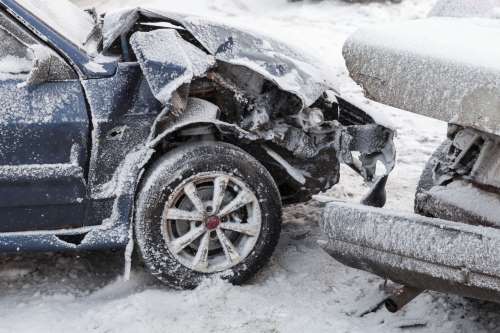
When the season’s first big snow arrives it feels magical, at least until someone slides through an intersection or a commuter’s commute becomes an emergency room trip. Research shows the very first snowfall of the season is disproportionately dangerous: while snowy days in general sometimes have fewer total fatal crashes (because fewer people drive), first-snow days produce a meaningful jump in fatal crashes, especially for older drivers. That increased risk happens because drivers are unprepared, roads haven’t been fully treated or worn-in for winter, and people underestimate how slippery that first packing of snow and compacted ice can be.
“Winter weather can turn an ordinary drive into a life-changing injury in a blink. The first snowfall is not a time for shortcuts, it’s a time for slow, deliberate driving and careful attention. If you or a loved one are injured because someone else failed to drive safely in those conditions, and talk to a lawyer who understands winter-weather car accidents.” — John J. Malm, Naperville car accident attorney
Statistics on Snowy Car Crashes
- The National Highway Traffic Safety Administration (NHTSA) reports that in recent years there have been hundreds of fatal crashes and tens of thousands of injury crashes where snow or sleet was a factor, underscoring how pervasive winter-weather crashes are.
- Federal Highway Administration (FHWA) analysis shows that weather-related crashes account for roughly 12% of all crashes, with weather contributing to thousands of fatalities and hundreds of thousands of injuries each year. Winter precipitation, especially, drives up crash risk across the season.
- The AAA Foundation and related research estimate winter storms and slick conditions are a factor in nearly half a million crashes and more than 2,000 road deaths each winter nationwide. That’s a lot of people exposed to risk every time roads get slushy.
- For Illinois specifically, state data and preparedness reports note that winter driving contributes to nearly 29,000 vehicle crashes, more than 4,500 injuries, and about 80 fatalities on average each year in the state, making winter driving a local as well as national concern.
These numbers show two things: winter driving crashes are common, and the first major storm of the season deserves special attention.
Why the First Big Snowfall is Especially Dangerous
Winter crashes are not just about the amount of snow. Several situational factors make the first storm worse:
- Driver complacency/lack of adjustment: After months of dry roads, many drivers forget to slow down, increase following distance, or take other winter precautions. First-snow mentality (“it’s only light and wet”) leads to dangerous choices.
- Road treatment and friction: Road crews may not have treated every side street yet; salt and plow schedules typically prioritize major arteries first. The combination of untreated areas, packed snow, and untreated ice patches (including black ice) creates abrupt changes in traction.
- Unexpected black ice: The first cold snap after mild weather creates conditions for thin, invisible ice. Drivers who haven’t anticipated it can be caught off guard.
- Vehicle readiness: Many vehicles haven’t had winter maintenance yet: tires, brakes, batteries, and windshield wipers/fluids are more likely to fail or underperform at the first real test.
- Traffic patterns change quickly: Commuters who would normally drive at highway speeds may find themselves in slower, stop-and-go winter traffic or diverted routes, increasing opportunities for collisions.
Common Crash Types After the First Snowfall
When snow arrives the most common collisions we see include:
- Single-vehicle run-off-road crashes (sliding into ditches, roadside objects).
- Rear-end collisions due to reduced traction and longer stopping distances.
- Multi-vehicle chain-reaction collisions on highways and at intersections.
- Intersection T-bone collisions where drivers misjudge stopping distance or are unable to stop on slick approaches.
- Collisions caused by vehicles losing control and striking pedestrians (especially when visibility is low).
Evidence also shows elderly drivers are at particularly increased fatality risk on first-snow days, something that families and communities should take seriously.
Practical Safety Steps
Being prepared can make the difference between a close call and a life-changing injury. Key actionable steps:
- Check your tires: tread depth and inflation matter. Consider winter or all-season tires if you live somewhere that gets regular snow.
- Slow down and increase following distance, it can take many times the normal distance to stop on packed snow or ice.
- Give yourself extra travel time, don’t rush. Plan for slower speeds and possible detours.
- Clear snow and ice thoroughly from all windows, mirrors, lights, and the vehicle roof. Reduced visibility is a major contributor to collisions.
- Avoid cruise control in snowy or icy conditions, you need manual control of your engine braking and acceleration.
- Keep an emergency kit in your car: blanket, flashlight, shovel, traction aids (sand or cat litter), jumper cables, snacks, phone charger.
- If you don’t have to drive, consider delaying nonessential trips, especially on the first heavy snow of the season when roads are unpredictable. (But if you must drive, follow the other steps above.)
What To Do If You’re In a Car Accident During or After the First Snowfall
If the worst happens, staying safe and protecting your rights matter:
- First, check for injuries and call 911 if anyone needs immediate help. Safety and medical care come first.
- Move to a safe location if the vehicles are drivable and it’s safe to do so; otherwise, turn on hazard lights and exit carefully if necessary.
- Call the police and obtain an accident report, this is crucial documentation.
- Take photos of the scene, vehicle damage, skid marks, weather and road conditions, and visible injuries. Photos taken at the scene are powerful evidence later.
- Exchange insurance and contact information with the other driver(s), but do not admit fault at the scene. Factual reporting is fine, but avoid apologizing or taking blame before the facts are known.
- Notify your insurer. Be careful when giving recorded statements; insurers are allowed to use them and you should consider consulting an attorney before a detailed recorded statement.
- Seek medical attention even for minor pain. Some injuries (like soft-tissue or whiplash) show up later but will be better documented if you see a clinician promptly.
- Contact an experienced Illinois car accident injury attorney who handles winter-crash cases. If you or a loved one suffered serious injury, legal advice early can preserve evidence and protect your rights.
Common Legal Issues That Arise After Winter Crashes
Winter-crash cases often involve a few recurring legal complexities:
- Comparative fault: Illinois follows modified comparative negligence rules; the degree to which each driver’s conduct contributed to the crash affects recovery. (If a driver is more than 50% at fault, they may be barred from recovering.)
- Insurance coverage issues. Insurers may contest causation, severity of injury, or fault. Prompt documentation (medical records, photos, police reports) is essential.
- Hit-and-run and uninsured drivers” If a driver flees the scene or lacks insurance, your uninsured/underinsured motorist coverage (if you have it) may be a pathway to compensation.
Frequently Asked Questions About Snowfall-Related Crashes
Q: Is it true that the first snow is more dangerous than later snowfalls?
A: Yes. Research indicates the first snow of the season is associated with a notable increase in fatal crash rates compared to other snowy days, particularly for older drivers. Drivers and families should treat the first storm as high risk.
Q: Should I delay my commute on the first big snow?
A: If you can, yes. The first storm tends to catch more drivers and roads unprepared; delaying nonessential travel reduces your exposure. If you must travel, reduce speed and increase following distance.
Q: If I’m hit by someone who was speeding in the snow, how does that affect my claim?
A: Speeding in winter conditions is a strong indicator of negligence and can significantly support your claim for damages. Document the scene, the police report, and any witness statements.
Q: My car was damaged by another driver who slid into me, but they say it was just the weather. Can I still recover?
A: Weather doesn’t excuse negligent driving. If the other driver failed to take reasonable precautions (speed reduction, control of vehicle), they can still be held liable. Consult an attorney to evaluate fault and damages.
Q: What if my injuries appear days later?
A: Seek medical attention as soon as symptoms appear and tell the provider the injury was from the crash. Medical records documenting the progression of symptoms are crucial for both treatment and any legal claim.
Contact the 5-Star Rated Illinois Winter Weather Car Accident Attorneys at John J. Malm & Associates
When the first big snow falls, mistakes happen fast and consequences can be severe. The combination of increased crash risk, underprepared vehicles, and unpredictable road treatment makes these collisions especially serious. If you’ve been hurt in a winter-weather crash, acting quickly to document the scene, get medical care, and consult an experienced Illinois injury attorney preserves your options for recovery. At John J. Malm & Associates, our firm has handled countless winter-crash cases, and we know the evidence to collect, the insurance tactics that can limit recovery, and the legal steps needed to hold negligent drivers (and sometimes municipalities or contractors) accountable.
If you or a family member were injured in a crash caused by another driver during the first snowfall of the season, don’t wait. Contact our office for a free consultation so we can review what happened, explain your rights, and help you take the next steps toward compensation and recovery.